

Traveling with a pet has evolved from a stressful logistical hurdle into a sophisticated lifestyle choice for many modern voyagers. For years, the prospect of taking a furry, feathered, or scaled companion on a flight was met with trepidation, primarily due to the inconsistent landscape of airline regulations and the often-lackluster facilities found within terminal walls. However, the shift in how we perceive our animal companions – transitioning from "property" to integral family members – has forced the aviation industry to undergo a radical transformation. This transformation isn't merely about providing a patch of synthetic grass near a baggage claim; it represents a fundamental redesign of the passenger experience to accommodate multi-species travel. As we navigate the current landscape of domestic and international air travel, understanding the nuances of this ecosystem is the difference between a seamless journey and a distressing ordeal.
The modern traveler now demands transparency, safety, and comfort for their pets, mirroring the expectations they hold for their own travel standards. This demand has sparked a competitive race among major air hubs to debut cutting-edge amenities that go far beyond the basic requirements set by the Department of Transportation (DOT). Simultaneously, carriers have refined their internal policies, integrating pet-friendly protocols into their digital booking platforms and improving the climate-controlled environments of their cargo holds. Navigating these rules requires a meticulous approach to planning, as the requirements for a brachycephalic dog on a short-haul flight differ wildly from the regulations governing a service animal on a cross-country trek. This travel guide serves as a definitive resource for those looking to master the art of flying with pets, focusing on the elite airports leading the charge and the specific carrier mandates that define the modern skies.
So, what are the gold standards for pet-friendly aviation logistics today?
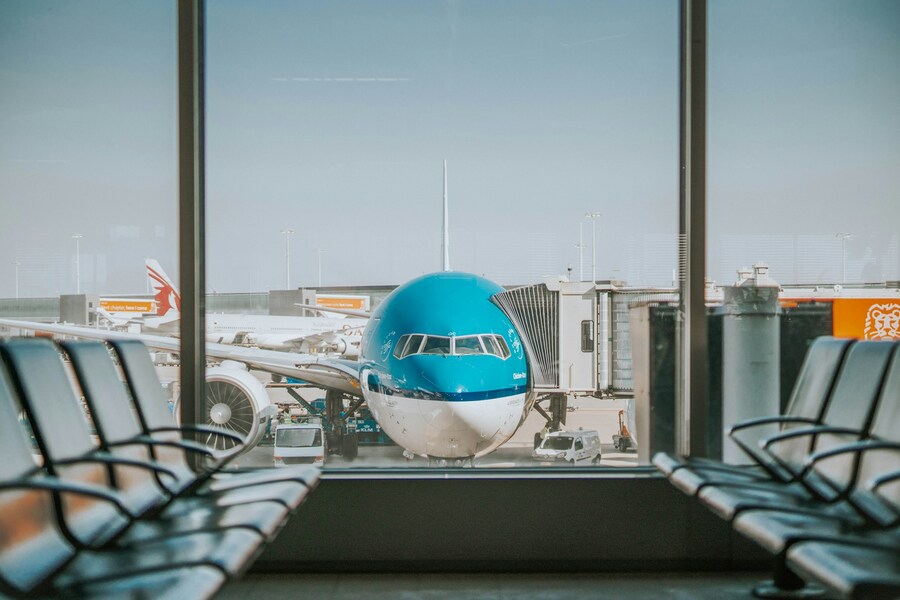 Source: Oskar Kadaksoo/Unsplash
Today's top airports integrate pet wellness into their architecture, offering indoor, post-security relief stations with automated flushing and air filtration. Carriers have also advanced, providing real-time tracking for pets in cargo and digital health passports. The trend favors increased accountability, with tiered pricing and services tailored to each animal's needs.
The evolution of terminal amenities and on-site services
When evaluating which American airports truly cater to four-legged passengers, several key locations stand out for their commitment to innovation. For instance, major hubs on the East Coast have pioneered the "pet park" concept, moving away from cramped closets to sprawling outdoor spaces that allow for genuine exercise before a long flight. These areas often include double-gated entries for safety, waste disposal stations, and fresh water fountains. Inside the terminals, the focus is on convenience. The most sophisticated airports have installed "Pet Relief Suites" located every few gates, ensuring that a passenger never has to trek across an entire terminal to find a suitable spot for their companion.
Moreover, some airports have begun partnering with local pet resorts to offer "park and fly" services specifically for animals. This allows a traveler to drop their pet off at a luxury boarding facility connected to the airport, where the animal is then transported directly to the gate or the cargo loading area by professional handlers. This eliminates the stress of navigating a busy terminal with a large crate or a nervous animal. In addition, the rise of "therapy dog" programs within airports has created a culture that's generally more welcoming to animals, leading to better-trained staff who understand how to handle pet-related security screenings with empathy and efficiency.
Understanding the nuanced rules of major domestic carriers
Each airline operates its own micro-environment of rules, which can be categorized into three main areas: in-cabin travel, checked baggage, and manifest cargo. In-cabin travel remains the most popular choice for owners of small dogs and cats. Most carriers now mandate that the pet must remain in a soft-sided, leak-proof kennel that fits entirely under the seat in front of the passenger. The pricing for this privilege is generally a flat fee per segment, but the catch lies in the "one pet per passenger" rule and the limited number of pets allowed on each flight. Smart travelers book their pet's "seat" at the same time they book their own ticket, as these spots often sell out weeks in advance.
For larger breeds, the options are more complex. While some airlines have moved away from allowing pets as checked baggage due to safety concerns, others have doubled down on specialized "pet-safe" programs. These programs utilize climate-controlled vehicles for transport across the tarmac and prioritized loading sequences. It's critical to note that many carriers have "weather triggers" – if the temperature at the departure or arrival city is too high or too low, pet transport in the hold is strictly prohibited. Moreover, documentation requirements have become more stringent. A health certificate issued by a licensed veterinarian within 10 days of travel is the standard, and many carriers now require specific acclimation statements if the pet is traveling in varying temperatures.
Navigating security screenings and boarding protocols
The Transportation Security Administration (TSA) has refined its protocols to ensure that pet screenings are as non-invasive as possible. However, it remains a point of high stress for many animals. The standard procedure requires the owner to remove the pet from its carrier; the carrier is then sent through the X-ray machine while the owner carries the pet through the metal detector. It's highly recommended that pets wear a harness and leash during this process, though they may be asked to remove the leash briefly. Some airports now offer private screening rooms for pets that are particularly aggressive or anxious, which can be requested upon arrival at the checkpoint.
Boarding protocols also require careful coordination. Most pet-friendly carriers allow passengers with animals to board during the pre-boarding phase or between groups, giving them extra time to settle the carrier under the seat without the pressure of a crowded aisle. It's essential to have all pet-related gear – such as collapsible water bowls, calming pheromone sprays, and necessary medications – easily accessible within a personal item. Travelers should also be aware that pets are generally not allowed in the bulkhead or emergency exit rows due to safety regulations, so seat selection during the booking process is a vital component of the overall strategy.
Health and wellness strategies for long-haul travel
The physiological impact of flying on animals cannot be overlooked. The combination of altitude changes, cabin pressure, and ambient noise can lead to significant dehydration and anxiety. Veterinary professionals increasingly recommend a "test run" of any calming supplements or prescribed sedatives well before the travel date to monitor for adverse reactions. Moreover, many pet owners are now adopting a "pre-flight fasting" strategy, where the animal is fed a light meal several hours before departure to prevent motion sickness, while maintaining a steady supply of water to combat the dry cabin air.
For transcontinental flights, the importance of "layover logistics" becomes paramount. Choosing a connecting airport with high-quality relief stations isn't just a luxury; it's a necessity for the animal's well-being. Some travelers are even opting for longer layovers – four to six hours – to allow their pet to leave the airport environment entirely for a short walk in a nearby park. This "slow travel" approach with pets reduces the cumulative stress of the journey and ensures that the animal arrives at the final destination in a much calmer state. It's also wise to research the nearest 24-hour emergency veterinary clinic at your destination and any connecting hubs, just in case of an unforeseen medical issue during the trip.
Strategic planning for departure and arrival logistics
Successful pet travel is as much about what happens outside the airport as what happens inside it. One of the most overlooked aspects of the journey is the transition from the vehicle to the terminal. When traveling with an animal, a crate, and multiple pieces of luggage, the traditional parking experience can become a logistical nightmare. Utilizing off-site facilities that offer specialized assistance can mitigate this. For those flying out of Tennessee, finding reliable BNA Airport parking or securing the best BNA parking deals is a crucial first step. These service providers often offer more space for unloading pet gear than standard airport garages, and their shuttle drivers are typically accustomed to assisting passengers with large pet carriers, ensuring you reach the check-in desk without unnecessary exhaustion.
Upon arrival, the focus shifts to reclaiming the pet and navigating the local environment. If the pet traveled in the hold, they are usually delivered to a special cargo claim area rather than the standard baggage carousel. It's important to inspect the animal immediately for any signs of distress or injury before leaving the airport grounds. Once outside, many airports now have designated "welcome zones" for pets where they can stretch their legs before the final car ride home. Understanding the local pet ordinances of your destination city – such as leash laws and pet-friendly public transit options – will ensure that the final leg of your journey is just as successful as the flight itself.
The bottom line

Source: Falaq Lazuardi/Unsplash
The landscape of pet travel has reached a point of maturity where the "accidental" pet traveler is a thing of the past. To fly with an animal today is to engage in a high-level coordination of veterinary science, airline policy, and urban infrastructure. By prioritizing airports that invest in high-end relief suites and choosing carriers that offer transparent tracking and safety protocols, owners can significantly reduce the risks associated with aviation. The trend toward total integration means that our pets are no longer treated as an after-thought but as a core demographic of the traveling public.
Ultimately, the responsibility lies with the owner to remain informed and prepared. As rules continue to shift in response to new safety data and consumer feedback, the best-prepared travelers will be those who treat their pet's itinerary with the same level of detail as their own. From the moment you search for parking at your home airport to the moment you walk out of the arrivals gate at your destination, every step must be calculated to ensure the comfort of your companion. When executed correctly, flying with a pet isn't just a possibility; it's a rewarding way to share the wonders of the world with your most loyal friends. The sky is no longer a limit for our pets, but a bridge to new adventures!


