

The allure of the tropical office is no longer a fringe dream reserved for the ultra-wealthy or the exceptionally rebellious. As we navigate the current landscape of professional flexibility, the concept of the "workcation" has matured into a sophisticated lifestyle choice. Costa Rica, a bridge between two continents and two oceans, has emerged as the definitive sanctuary for North Americans looking to trade gray cubicles for emerald rainforests without sacrificing high-speed connectivity. This travel guide is designed for the modern digital nomad who demands more than just a beautiful backdrop. It's for the professional who requires a stable infrastructure, a favorable time zone, and a community of like-minded innovators. Taking a month to relocate your operations to the land of Pura Vida is an investment in your mental clarity and creative output. From the rugged cliffs of the Nicoya Peninsula to the misty heights of the cloud forests, this country offers a diverse palette of environments that cater to every type of remote worker. Whether you are flying out of a bustling hub in the Northeast or a sun-drenched terminal in the South, the transition to Costa Rican life is remarkably seamless, provided you have the right roadmap.
So, why should Costa Rica be your next remote office destination?
 Source: Kit/Unsplash
Costa Rica is the ideal "Goldilocks zone" for North Americans, offering geographic proximity and synchronized time zones that eliminate grueling late-night meetings. With robust fiber-optic infrastructure and a dedicated Digital Nomad Visa, the country seamlessly supports remote operations. This professional reliability, combined with a culture of sustainability, allows nomads to maintain high productivity while enjoying a vibrant, stress-free tropical lifestyle.
Mastering the logistics of a tropical relocation
The success of a month-long remote work journey depends heavily on the preparation done before you ever step foot on a plane. The first hurdle is housing. While short-term vacation rentals are plentiful, the digital nomad needs to look for specific amenities that a weekend tourist might overlook. Ergonomic furniture is rare in traditional beach bungalows, so searching for "coliving" spaces or specialized nomad accommodations is essential. These venues often provide dedicated desks, backup power generators – which are crucial during the rainy season when lightning can cause brief outages – and, most importantly, a social circle. Isolated working can lead to loneliness, but in hubs like Santa Teresa or Nosara, the person sitting at the desk next to you is likely a software developer from Seattle or a marketing consultant from Montreal, providing instant community.
Transportation within the country is another factor to weigh carefully. While the bus system is extensive and affordable, it isn't always conducive to a tight work schedule. Renting a 4x4 vehicle is the gold standard for flexibility, especially if you plan on exploring the more rugged terrain of the southern Pacific coast. However, for a full month, this can be expensive. Many nomads opt for a "hub and spoke" model: choosing a walkable town for their base and using local shuttles or small internal flights for weekend excursions. This approach minimizes stress and allows you to truly integrate into the local rhythm of life, becoming a regular at the neighborhood soda or the beachfront coffee shop.
Identifying the top hubs for deep work and high play
Not all Costa Rican towns are created equal when it comes to the demands of a remote career. For those who thrive on high energy and a vibrant social scene, Santa Teresa on the Nicoya Peninsula is the undisputed heavyweight. It's a town where surfboards are as common as laptops, and the morning "commute" involves a walk across the sand to a beachfront café. The infrastructure here is robust, with numerous coworking spaces that offer air-conditioned private booths for sensitive calls. However, if you prefer a cooler climate and a more intellectual vibe, the Central Valley near San José or the mountain town of Atenas might be more suitable. Atenas is frequently cited as having one of the best climates in the world, and its proximity to the capital means you have access to the best healthcare and shopping in the country.
On the Caribbean side, Puerto Viejo offers a radically different atmosphere. It's slower, more soulful, and deeply influenced by Afro-Caribbean culture. The internet here has improved significantly, but the pace of life remains delightfully sluggish. It's the perfect spot for a creative professional, such as a writer or designer, who needs to disconnect from the frantic pace of the city to find inspiration. Conversely, for those who want a bit of everything – luxury, nature, and reliability – Manuel Antonio provides a balanced experience. It features world-class national parks and high-end villas that are perfectly equipped for executive-level remote work, though it tends to be more tourist-heavy than the hidden gems of the Guanacaste province.
Balancing productivity with the Pura Vida lifestyle

The greatest challenge of working from a paradise like Costa Rica is actually getting the work done. The temptation to skip a meeting for a sudden swell at the beach or a guided tour of a volcano is constant. The key is to establish a rigorous routine that mimics your home environment but incorporates local highlights. Many successful nomads adopt a "split shift" approach: starting work very early in the morning to align with East Coast hours, taking a long midday break for surfing or hiking when the tropical sun is at its peak, and then finishing the workday in the late afternoon. This allows you to experience the best of the outdoors without falling behind on your deliverables.
Creating a dedicated workspace is equally vital. Working from a hammock sounds idyllic until your laptop overheats and your back begins to ache. Invest in a portable laptop stand and a high-quality noise-canceling headset to drown out the vibrant sounds of the jungle – monkeys and parrots are beautiful to look at but can be quite disruptive during a board meeting. In addition, it's wise to have a secondary internet source, such as a local SIM card with a generous data plan. While fiber optic is common, having a mobile hotspot as a backup ensures that you never have to explain a connectivity lapse to your employer. Embracing the local culture also means respecting the pace of life; "Tico time" is a real phenomenon, and learning to navigate it with patience will make your month much more enjoyable.
Navigating entry requirements and financial planning
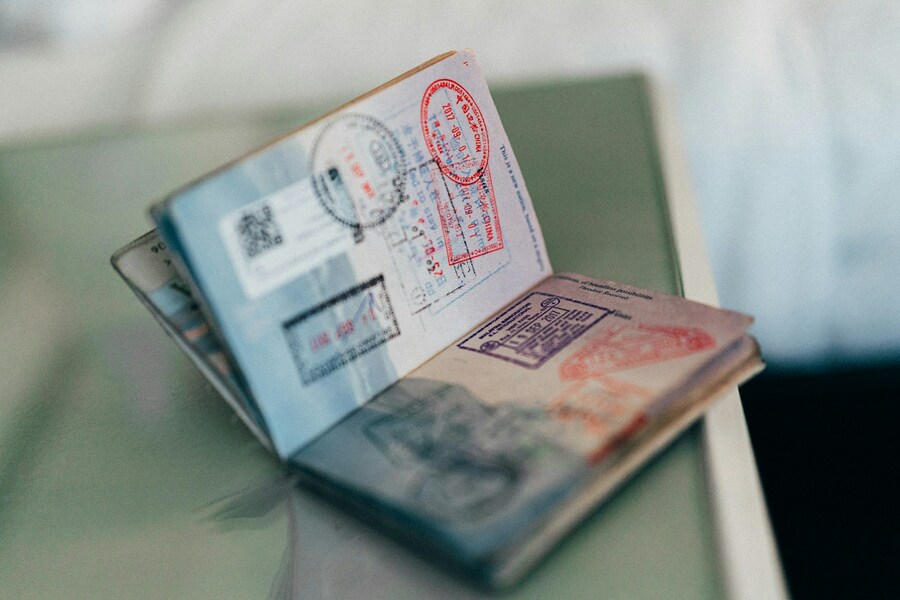
Before you pack your bags, you must ensure your paperwork is in order. For a one-month stay, most North Americans can enter on a standard tourist visa, but you must have proof of onward travel and a passport valid for at least six months. If you intend to make this a recurring lifestyle, the Digital Nomad Visa is worth investigating, as it grants a one-year stay with the option to extend. Financially, Costa Rica isn't the cheapest destination in Central America, but it offers high value for the quality of life provided. You should budget for "tourist pricing" in popular areas, though shopping at local farmers' markets (ferias) can significantly reduce your grocery bills and provide you with the freshest tropical fruit you've ever tasted.
Your banking should also be modernized for international travel. Using credit cards with no foreign transaction fees is a must, and having a small amount of local currency (Colones) is helpful for small purchases in rural areas. It's also important to notify your bank of your travel plans to avoid triggered fraud alerts. Health insurance that covers international emergencies is non-negotiable; while Costa Rica has excellent private hospitals, the costs can be high if you aren't covered. Many nomads opt for specialized "nomad insurance" policies that are designed specifically for long-term travelers who might be engaging in adventure sports like zip-lining or scuba diving.
Preparing for your departure from North America
The final step in your journey is the actual departure, which often involves the stress of getting to the airport with a month's worth of gear. If you are traveling from the central or eastern United States, you might find yourself looking for efficient ways to manage your vehicle during your absence. For those driving to the airport in Tennessee, finding reliable MEM parking deals can save a significant amount of money that's better spent on a beachfront dinner in Tamarindo. Securing your MEM Airport parking in advance ensures a smooth start to your journey, allowing you to focus on the transition from the frantic energy of the terminal to the tranquil vibes of the tropics. Starting your trip with organized logistics sets the tone for a productive and peaceful month abroad.
The bottom line
Source: Etienne Delorieux/Unsplash
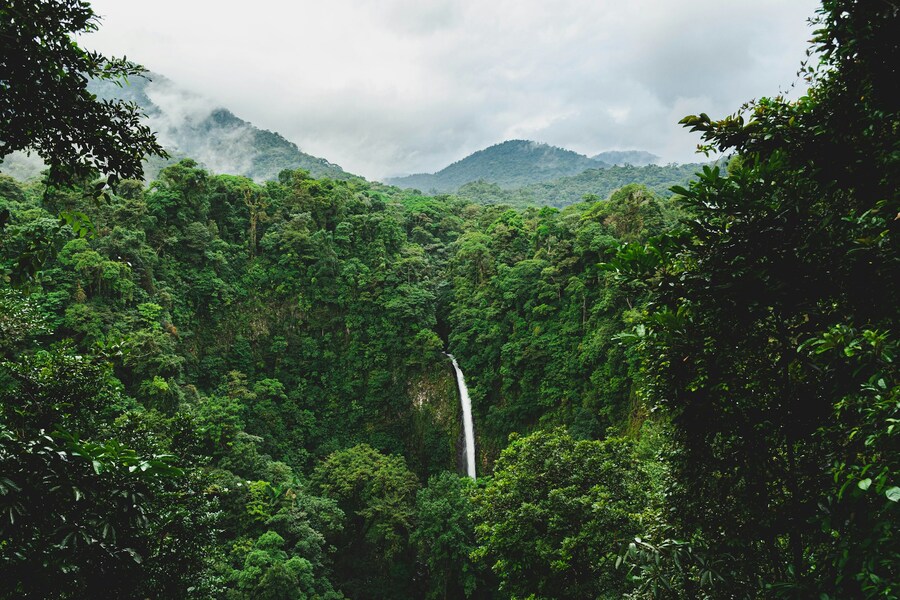
Costa Rica is no longer just a destination for honeymooners and backpackers; it has become a premier global office for the modern professional. The country's commitment to environmental preservation, combined with its rapid technological advancement, creates a unique ecosystem where productivity and wellness coexist. By choosing the right hub, preparing your digital toolkit, and respecting the local rhythm, you can transform a standard work month into a life-changing experience. The transition from North America is geographically short but culturally vast, offering a perspective shift that can reignite your passion for your career. As the sun sets over the Pacific and you close your laptop for the day, you'll realize that the true value of being a digital nomad isn't just the scenery – it's the freedom to define your own boundaries. Costa Rica doesn't just offer a place to work; it offers a better way to live while you do it. Embracing this journey requires a leap of faith, but the rewards of a balanced, adventurous, and productive month in paradise are well worth the effort.


