

Travel has evolved from historical sightseeing into a sensory exploration of local culture through food. The "foodie vacation" prioritizes culinary landmarks over traditional museums, turning a weekend break into a concentrated gastronomic pilgrimage. As global connectivity improves, the challenge lies in selecting destinations where high-density dining options, efficient infrastructure, and authentic ingredients converge within a walkable footprint. A successful binge requires a city that reveals its soul through every dish, from street-side snacks to avant-garde tasting menus. By focusing on hubs where regional heritage meets modern innovation, travelers can maximize their 48-hour sprints and achieve true cultural immersion through their palates. This travel guide explores the diverse landscapes of the global culinary scene, focusing on destinations that offer the most profound impact.
So, how do you choose the perfect destination for a 48-hour culinary sprint?
 Source: Joshua Sortino/Unsplash
The ideal culinary getaway balances flight accessibility with gastronomic depth. Success requires a city offering seamless airport transitions, high restaurant density, efficient transit links, and authentic, sustainable, and diverse dining options.
The rebirth of coastal classics
In the current era of travel, coastal cities have reclaimed their position at the forefront of the culinary world by leaning heavily into hyper-localism. It's no longer enough to serve fresh seafood; the modern diner wants to know the name of the vessel that caught the fish and the specific cove where the oysters were harvested. This transparency has led to a renaissance in cities where the water is the primary pantry. Travelers flying into these coastal hubs are greeted by a vibrant mix of old-world techniques and new-world consciousness. For instance, in many of the top-tier Atlantic-facing cities, the focus has shifted toward zero-waste seafood preparation, where every part of the catch – from the collar to the scales – is utilized in creative ways. This level of dedication creates a weekend experience that feels both indulgent and ethically sound, allowing the visitor to binge on the bounty of the sea while supporting a fragile ecosystem.
Beyond the raw bars and high-end seafood towers, these cities often boast a rugged, street-level food culture that's equally compelling. Think of the perfect salt-crusted roll filled with local crab, or a bowl of chowder so thick it defies gravity, served in a space that has been a community fixture for generations. The beauty of a weekend binge in a coastal city lies in this duality: the ability to dress up for a refined, multi-course dinner overlooking the harbor, only to find oneself the next morning sitting on a wooden pier, peeling shrimp with salt-stained fingers. This connection to the water defines the identity of these cities, ensuring that the flavors are always anchored in a specific sense of place. Moreover, the influence of global migration has transformed these coastal hubs into centers of aquatic fusion, where traditional fish is reimagined with bold spices from the South Pacific or Mediterranean-style grilled octopus.
Urban innovations and the high-tech hearth
As metropolitan centers establish themselves as laboratories for culinary innovation, they become the primary congregating points for the world's most ambitious chefs. In these urban jungles, the food scene is characterized by a "borderless" philosophy where one might find a traditional Japanese technique applied to Nordic ingredients or a classic French pastry shop that incorporates Middle Eastern spices. This melting pot of flavors makes for an exhilarating weekend binge, as the proximity of different cultures allows for a rapid-fire exploration of global tastes. The infrastructure of these cities usually supports such an endeavor, with efficient public transit or compact downtown cores that make it easy to hop from one trendy district to the next. This creates an environment built for exploration, where the risk of a bad meal is low and the reward for curiosity is high.
Moreover, the rise of "smart" dining has changed the way visitors interact with these food scenes. From digital maps that track real-time table availability to pop-up events organized via social media, the modern food traveler is more informed than ever. However, the true soul of these innovative cities still lies in the human element – the chef who spends years perfecting a single fermented sauce or the family-run bistro that refuses to change its grandmother's recipe despite the modern chaos outside. A weekend here is a masterclass in contrast, where the slick, neon-lit corridors of modern shopping districts hide centuries-old tea houses and cellar bars. For the traveler who craves variety and intellectual stimulation alongside their meals, these urban innovators provide an endless stream of complex moments that define a truly memorable vacation.
The sustainable farm-to-city connection
 Source: Stijn te Strake/Unsplash
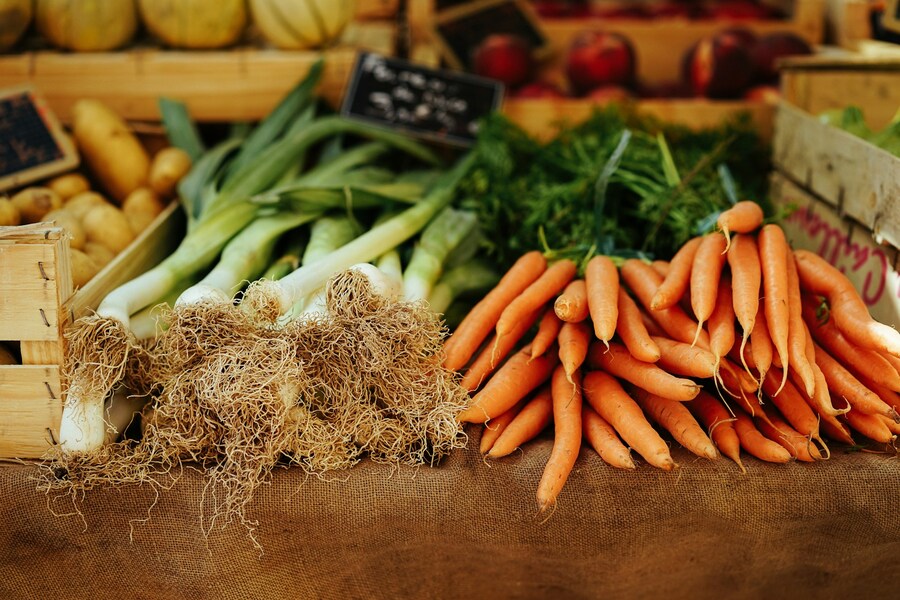
Another major trend defining foodie vacations today is the blurring of lines between the rural farm and the urban plate. Cities that are situated within close proximity to major agricultural regions have a distinct advantage, acting as the primary showrooms for the season's best produce. In these destinations, the weekend traveler can experience the harvest without ever leaving the city limits. Restaurants in these hubs often have exclusive partnerships with individual farmers, ensuring that the heirloom tomatoes or organic greens served at lunch were still in the ground at sunrise. This commitment to freshness creates a flavor profile that's impossible to replicate in more isolated metropolitan areas. A weekend binge in such a city often revolves around the seasonal calendar; one visit might be defined by the earthy sweetness of root vegetables, while another is a celebration of spring peas.
The culinary identity of these cities is also shaped by a deep respect for tradition, particularly in the realms of preservation and fermentation. Visitors will find that sourdough programs, house-made vinegars, and cured meats aren't just trends but foundational pillars of the local diet. This focus on the "slow" aspects of food provides a necessary balance to the fast-paced nature of a weekend trip. It encourages the traveler to pause and appreciate the complexity of a simple piece of bread or the depth of a long-simmered broth. By connecting the diner to the land and the labor of the farmer, these cities offer a foodie vacation that's deeply grounding and spiritually fulfilling. This farm-to-city connection also extends to the beverage programs, where local craft breweries and urban wineries use regional grains and wild yeasts to create a drink list that's uniquely reflective of the local geography.
The culture of the late-night bite
A true weekend binge isn't restricted to standard meal times, and cities that truly understand the foodie traveler are those that come alive after dark. There's a specific magic to the late-night food culture of certain global hubs, where the closing of the theater or the end of a concert signals the start of a whole new culinary chapter. In these cities, the night is owned by the night-markets, the 24-hour diners, and the hidden izakayas. This is where the pretense of formal dining drops away, and the focus shifts entirely to comfort and community. For a traveler on a 48-hour mission, these late-night hours are essential for fitting in those extra dishes that didn't make the cut during the day. Whether it's a spicy bowl of ramen, a perfectly folded crepe, or a mountain of loaded fries, the late-night bite is often the most evocative memory of the trip.
The atmosphere in these nocturnal eateries is electric, filled with a mix of locals and fellow travelers all united by a shared hunger. It's in these moments – huddled over a steaming plate in a crowded alleyway or sitting at a neon-lit counter – that the true personality of a city reveals itself. In addition, these late-night spots often serve as the industry hangouts for the city's chefs and servers after their own shifts end. This creates a unique ecosystem where you might find yourself sitting next to a world-class professional while you both enjoy a late-night taco or a slice of pizza. The conversations that happen in these spaces are often the most enlightening, providing a behind-the-scenes look at the city's food scene that you won't find in any guidebook. Embracing the night is an essential part of the weekend binge, offering a different perspective on the city's flavors.
Logistics and the art of the easy departure
While the focus of a foodie vacation is naturally on the plate, the logistical side of the journey cannot be ignored, especially when trying to maximize every minute of a weekend. The ease of getting into and out of the city can significantly impact the quality of the trip. Travelers often overlook the importance of the buffer time – those hours spent traveling to and from the airport. High-tier culinary destinations often boast streamlined transport links that allow a visitor to go from the arrivals gate to a bistro table in under an hour. Moreover, the modern traveler has learned that the stress of the return journey can be mitigated with a bit of foresight. Knowing that your vehicle is secure and easily accessible upon your return allows for that one final, leisurely brunch before heading to the terminal.
For those flying out of major hubs on the East Coast, for example, planning for the departure is a key part of the strategy. Utilizing reliable services for PHL parking deals or securing convenient PHL Airport parking ensures that the transition from the city's vibrant food scene back to the routine of daily life is as smooth as possible. By removing the friction of airport logistics, the traveler can remain fully immersed in the culinary experience until the very last moment. This level of preparation is what separates a chaotic trip from a perfectly executed weekend binge, allowing the memories of wood-fired pizzas and artisanal gelato to remain at the forefront of the mind. Instead of rushing to the airport three hours early due to parking anxiety, a well-managed plan allows for that extra visit to the local chocolate shop or one last espresso in the sun.
The bottom line
Source: Peter Wendt/Unsplash
Foodie vacations compress cultural vastness into bite-sized experiences, fostering profound connections through quality and authenticity. Success depends on embracing the unknown – sampling street snacks and booking local gems. As our hunger for discovery grows, these trips bridge the gap between sightseeing and true immersion. By supporting independent artisans, travelers help preserve global culinary diversity. Pack light, arrive hungry, and prepare for a weekend that satisfies your soul and stomach!


