

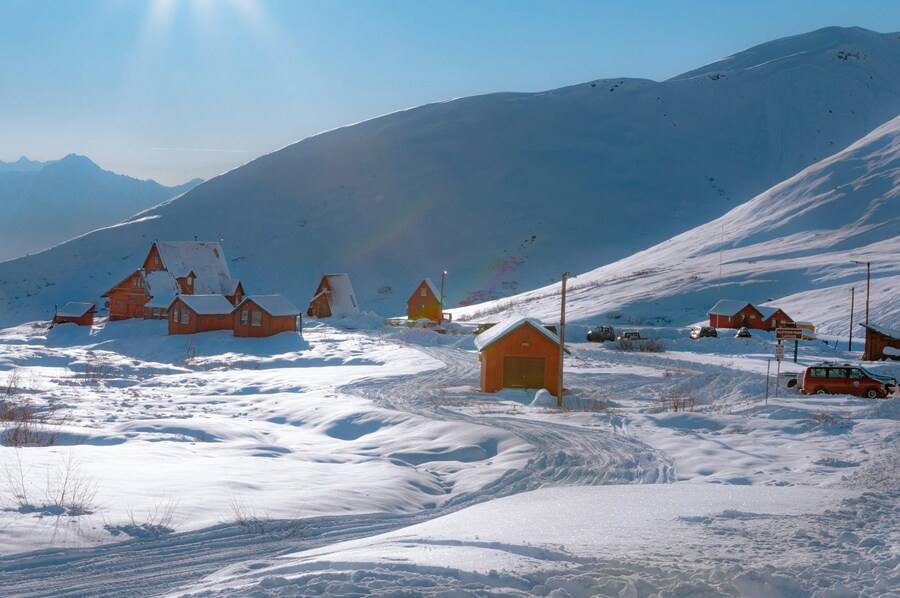
The lure of the Great North offers a rare opportunity to disconnect from modern life and reconnect with the raw elements of the natural world. Landing in Anchorage, the state's largest urban center, provides the perfect gateway for a seven-day odyssey through the Last Frontier. While the city offers contemporary comforts, it serves primarily as a launching pad for rugged adventures where glaciers, grizzlies, and mountain peaks dominate the landscape. To truly experience the magic of an Alaskan summer, one must embrace the Midnight Sun. This phenomenon, where the sun barely dips below the horizon, grants travelers nearly 24 hours of functional daylight. It's the ultimate setting to explore, hike, and marvel at a wilderness that remains truly untamed.
So, how can you experience the best of Alaska in just one week?
 Source: Drew Dempsey/Unsplash
Developing a comprehensive itinerary for a state that's more than twice the size of Texas is a daunting task, yet a seven-day journey starting in Anchorage allows for a balanced blend of coastal beauty and interior wilderness. The key to a successful Alaskan vacation lies in focusing on the Southcentral and Interior regions, where the infrastructure supports seamless travel between iconic landmarks like Denali National Park and the Kenai Peninsula. By prioritizing these areas, you can witness the dramatic contrast between the turquoise waters of the fjords and the tundra-covered plains of the high north without spending your entire vacation behind the wheel of a rental car.
Exploring the urban wilderness of Anchorage and the Turnagain Arm
Your journey begins in Anchorage, a city uniquely positioned between the Chugach Mountains and the Cook Inlet. Upon arrival, the sheer clarity of the air serves as an immediate reminder that you are in a different world. Spend your first day adjusting to the extended daylight by exploring the Tony Knowles Coastal Trail, which winds along the shoreline and offers panoramic views of the water and distant volcanoes. It isn't uncommon to spot a moose wandering through a city park, a testament to the fact that in Alaska, nature doesn't stop where the pavement begins.
On the second day, head south along the Seward Highway, often cited as one of the most beautiful drives in North America. This route follows the Turnagain Arm, a waterway known for its dramatic bore tides and steep cliffs. Stop at Beluga Point to scan the waves for the white backs of beluga whales or look up toward the rocky outcrops to find Dall sheep perched precariously on the ledges. The drive culminates at the Alaska Wildlife Conservation Center, where you can observe rescued bears, muskoxen, and wood bison in a natural setting. This introductory leg of the trip sets the stage for the grander wilderness encounters to come, providing a sense of the scale and biological diversity that defines the region.
The majestic silence of Kenai Fjords National Park
Moving further south to the seaside town of Seward, the landscape shifts from mountainous forests to the icy maritime world of the Kenai Peninsula. The third day of your itinerary should be dedicated to Kenai Fjords National Park, a place where the remnants of the ice age still dominate the environment. The best way to experience this park is by water. A full-day glacier and wildlife cruise takes you deep into the fjords, where tidewater glaciers meet the sea. The sound of "calving" – the thunderous crack and splash as massive chunks of ice break off and tumble into the ocean – is a sensory experience that stays with you forever.
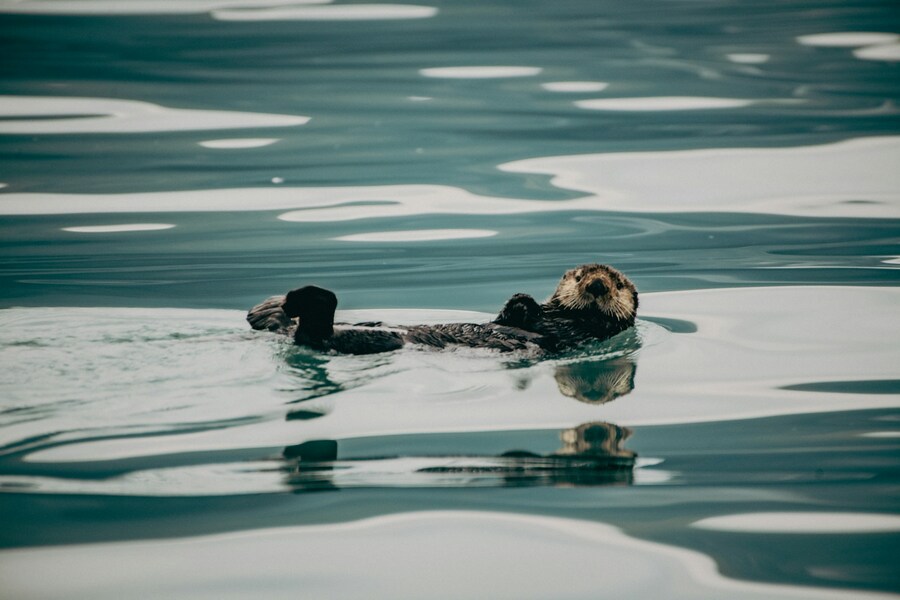
While the glaciers are the star of the show, the marine life in the Kenai Fjords is equally breathtaking. Humpback whales and orcas frequent these nutrient-rich waters, often breaching close to the tour vessels. Puffins, with their colorful beaks and awkward flight patterns, nest on the rocky islands, while sea otters float lazily in the kelp beds. For those who prefer to keep their feet on solid ground, the hike to the Exit Glacier and the subsequent climb to the Harding Icefield Trail offer a challenging but rewarding perspective on the vast frozen plateau that feeds the surrounding glaciers. The sheer magnitude of the ice field, stretching as far as the eye can see, is a humbling reminder of the geological forces that have shaped the planet over millennia.
Journeying north to the heart of the Alaska Range
After the coastal wonders of Seward, turn your sights northward toward the interior. The drive from the Kenai Peninsula back through Anchorage and up to the Denali region is long, but it's punctuated by changing scenery that evolves from coastal rainforests to boreal forests of spruce and birch. On day four, as you approach the Alaska Range, the peaks grow taller and the valleys wider. This transition marks your entry into the subarctic, a land of permafrost and resilient wildlife.
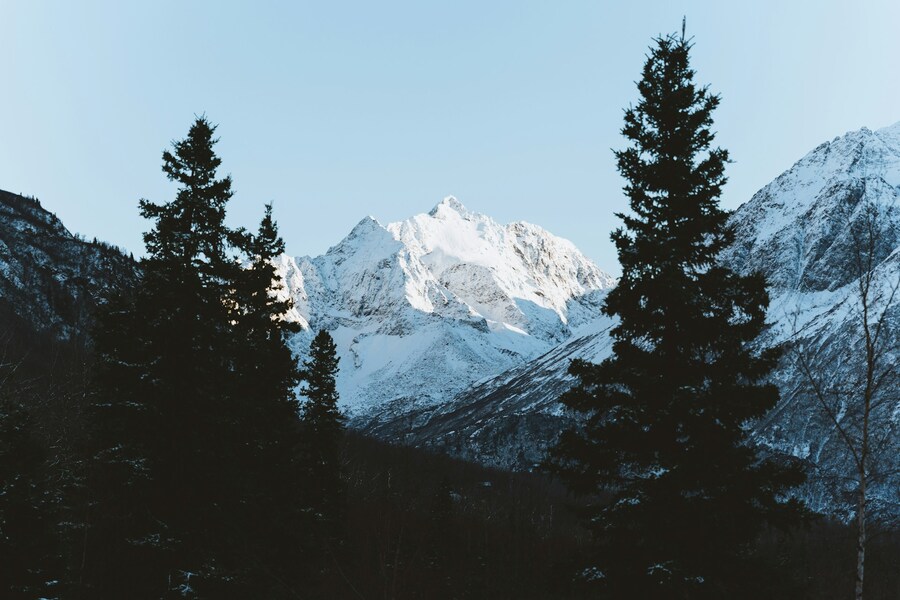
The fifth day is reserved for the crown jewel of the American wilderness: Denali National Park and Preserve. Spanning six million acres, the park is home to North America's highest peak, Denali, which rises to an elevation of 20,310 feet. Because private vehicles are restricted on the single park road, visitors utilize transit buses to reach the interior. This system is designed to minimize human impact and maximize wildlife viewing opportunities. Keep your binoculars ready for the "Big Five": grizzly bears, moose, caribou, Dall sheep, and wolves. The landscape here is vast and open, allowing for sightings of animals moving across the tundra in a way that feels ancient and undisturbed.
Source: Corey Simoneau/Unsplash
The magic of the Midnight Sun in Talkeetna
As you begin your descent back toward Anchorage on day six, stop in the quirky, historic village of Talkeetna. This town serves as the base camp for climbers attempting to summit Denali and retains a rustic, gold-rush era charm. Talkeetna is where the Susitna, Chulitna, and Talkeetna rivers converge, creating a broad glacial floodplain that offers some of the best views of the mountain on a clear day. The atmosphere here is laid-back and celebratory, especially during the height of summer when the sun never truly sets.
One of the most exhilarating ways to experience this region is through a flightseeing tour. Small bush planes equipped with skis can take you over the jagged granite spires of the Alaska Range and even land on a glacier. Looking down into the deep blue crevasses and soaring past the vertical walls of the Ruth Gorge provides a perspective that's impossible to gain from the ground. In the evening, the town's main street comes alive with live music and local breweries, where travelers from around the world gather to share stories of their adventures under the perpetual twilight of the northern sky.
Adventure and reflection in the Matanuska Valley
The final full day of your vacation leads you through the Matanuska-Susitna Valley, a region known for its fertile farmland and massive glaciers. The Matanuska Glacier is one of the few large glaciers in Alaska that's accessible by car. Here, you can join a guided trekking tour to walk on the ice, exploring the translucent blue pressure ridges and crystalline meltwater pools. It's a physical encounter with history, as the ice you are standing on formed centuries ago. The contrast between the cold, blue ice and the lush green valley surrounding it creates a visual spectacle that perfectly encapsulates the diversity of the Alaskan environment.
As the journey nears its conclusion, take a moment to reflect on the sheer variety of experiences packed into a single week. From the maritime abundance of the Kenai Fjords to the high-altitude majesty of the Alaska Range, you have traversed ecosystems that most people only see in documentaries. The accessibility of these wild places from Anchorage makes it possible to feel like a true explorer without sacrificing the basic necessities of travel. The memories of the light, the scale, and the silence of the wilderness will likely remain long after you have returned to the lower latitudes.
Preparing for your departure and final logistics
The transition back to reality can be jarring after a week in the wild, which is why a smooth departure is essential. Returning to Anchorage for your final night allows you to enjoy one last Alaskan meal – perhaps fresh sockeye salmon or king crab – before heading to the airport. Efficiency is the name of the game when concluding a trip of this magnitude. Many travelers find that planning their logistics well in advance, including how they'll handle their vehicle and airport arrival, reduces the stress of the journey's end.
For those who may be starting their journey from other parts of the country or are looking for ways to streamline their travel costs before even reaching the North, finding the right services is key. If your travels happen to take you through Pennsylvania on your way to or from the wilderness, you might find that ABE Airport parking offers excellent solutions for your vehicle. Utilizing various ABE parking deals can significantly lower the overhead of your vacation, allowing you to reallocate those funds toward an extra excursion in Denali or a celebratory dinner in Anchorage. Managing these small details ensures that your focus remains on the breathtaking scenery rather than the minutiae of travel logistics.
The bottom line
Source: Jaron Mobley/Unsplash
A seven-day vacation in Alaska is a profound exercise in wonder, proving that nature still operates on a scale that dwarfs human ambition. By looping through the Kenai Peninsula and Denali National Park from Anchorage, you witness the very best of the Last Frontier. The Midnight Sun provides the literal and figurative light needed to see the world in a new way, extending your hours of discovery and blurring the lines between day and night. Whether you are watching a humpback whale breach or hiking across the vibrant tundra, Alaska rewards the bold with a rare sense of freedom. You don't just leave with photos; you carry home a piece of the wild. May your journey be filled with unforgettable sights and soaring spirits!


