

The concept of the modern vacation has undergone a profound transformation, shifting away from the frantic checklists of sightseeing toward a more intentional pursuit of restoration. In an era where the boundaries between professional obligations and personal peace are increasingly porous, the wellness retreat has emerged not as a luxury for the elite, but as a functional necessity for the modern family. The challenge, however, lies in balancing the desire for high-quality holistic experiences with the practical constraints of a family budget and the logistical realities of short-term travel. A quick escape shouldn't require months of financial recovery, nor should it sacrifice the depth of the experience for the sake of affordability.
Wellness is no longer confined to silent meditation halls or restrictive dietary programs. Instead, it has evolved into a multi-generational endeavor that prioritizes connection, movement, and the quiet appreciation of natural landscapes. For families looking to recharge, the United States and Mexico offer a diverse array of destinations that cater to both the energetic needs of children and the restorative requirements of adults. By focusing on regional hubs and emerging wellness corridors, travelers can find hidden gems that provide the same physiological benefits as world-renowned SPAs at a fraction of the cost. The key is to identify locations that offer built-in serenity – places where the environment does the heavy lifting of relaxation.
So, how can families access high-value wellness without the luxury price tag?
 Source: Priscilla Du Preez/Unsplash
Identifying the ideal destination requires a shift in perspective, moving away from high-density tourist centers toward regions where natural beauty and tranquility are the primary assets. By selecting locations that emphasize environmental immersion over artificial luxury, families can secure meaningful restorative experiences. The following sections highlight diverse geographical corridors where affordability and high-level wellness intersect, providing practical opportunities for families to reconnect and recharge within their current financial means.
The rise of "nature-first" hospitality in the American Southwest
The high deserts of the American Southwest have long been a magnet for those seeking spiritual and physical rejuvenation. While destinations like Sedona or Santa Fe often carry premium price tags, the surrounding regions offer identical vistas and atmospheric benefits for significantly less. For instance, the outskirts of the Sonoran Desert provide access to sprawling trail systems and thermal mineral springs that are accessible to the public. Families can base themselves in smaller municipalities where local boutique lodges have begun integrating wellness programming directly into their stay packages. These programs often include guided sunrise hikes, outdoor yoga sessions tailored for beginners, and evening stargazing opportunities that serve as a natural sedative for overstimulated minds.
Integrating movement and mindfulness
In these desert enclaves, the focus is on "blue zones" of activity – areas where the lifestyle naturally encourages longevity and health. Families are encouraged to move together, whether through a moderate climb up a sandstone formation or a focused session of desert photography. The goal is to replace digital consumption with sensory engagement. Many affordable retreats in this region now offer "unplugged" incentives, providing small discounts or complimentary amenities for guests who agree to leave their mobile devices in a central safe for the duration of their stay. This structural encouragement of presence is perhaps the most valuable wellness tool available, costing the provider nothing but offering the guest a profound sense of mental clarity.
Coastal sanctuaries: Mexico's sustainable wellness corridors
Crossing the border into Mexico reveals a different but equally compelling approach to affordable wellness. Beyond the sprawling all-inclusive resorts of the major tourist zones lie sustainable, family-run eco-boutiques that prioritize "slow travel." These destinations, particularly along the Oaxacan coast or the less-developed stretches of the Riviera Maya, focus on the healing power of the ocean and the ancestral knowledge of local communities. Here, wellness is integrated into the daily rhythm through fresh, locally sourced nutrition and communal activities that celebrate the local environment. For a family, this means engaging with the world in a way that feels both educational and deeply relaxing.
The therapeutic power of the sea
Ocean-based wellness, often referred to as "blue mind" therapy, is scientifically recognized for its ability to lower cortisol levels and improve sleep quality. Affordable retreats in Mexico often utilize their proximity to the water to offer paddleboarding, coastal foraging, and traditional temazcal ceremonies. These sweat lodge experiences, when adapted for families, provide a unique opportunity for collective reflection and physical detoxification. Because these establishments often operate with lower overhead and a commitment to environmental stewardship, the cost of a three-day stay is frequently comparable to a single night at a high-end urban hotel in the United States.
Mountain altitudes and circadian restoration in the Appalachians
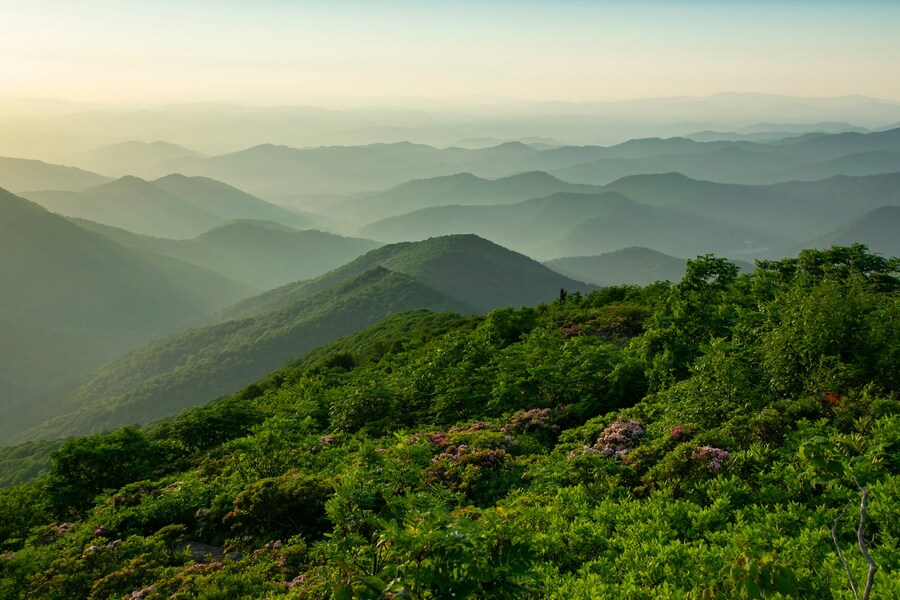
The Appalachian range, stretching from the southeast up through the northeast, offers a verdant alternative to the arid west. The wellness philosophy here is rooted in "forest bathing" or Shinrin-yoku, a practice that involves mindful immersion in the woods. Many state parks and national forests in regions like Western North Carolina or the Blue Ridge Mountains have seen a surge in "glamping" and cabin-based retreats that focus on sleep hygiene and circadian rhythm restoration. By removing the harsh artificial lighting of the city and replacing it with the natural cycle of the sun, families can reset their internal clocks in as little as 48 hours.
Sleep hygiene as a family goal
Modern wellness emphasizes that quality sleep is the foundation of all health. These mountain retreats often provide "sleep kits" featuring local lavender oils, weighted blankets, and guides on breathing techniques. For parents, the peace of the mountains allows for a depth of rest that's often unattainable at home. For children, the absence of high-speed internet and the presence of physical activity – such as building small dams in mountain creeks or identifying local flora – leads to a natural, healthy exhaustion. This collective return to a more primitive, natural schedule is a powerful way to bond and heal from the stresses of the school and work year.
Urban oases: the strategic use of city wellness centers
Not every wellness escape requires a trek into the wilderness. Many families are finding that a "staycation" style retreat in a nearby urban center can be surprisingly effective if approached with the right mindset. Major cities across the United States have seen a proliferation of comprehensive wellness centers that offer day passes or weekend memberships. These facilities often include saltwater pools, infrared saunas, and sensory deprivation tanks. By booking a modest hotel within walking distance of such a center, a family can curate their own wellness experience without the high costs of travel and remote lodging.
Curating the experience
The trick to an urban wellness retreat is the elimination of traditional "city" stressors. This means pre-planning meals at plant-based restaurants and avoiding high-traffic shopping districts. Many cities now have "quiet zones" or meditation parks that are free to the public. By combining these free resources with a few targeted paid treatments, a family can achieve a state of relaxation that rivals a distant resort. It also provides an opportunity to learn wellness habits that can be easily integrated into daily life once the weekend is over, such as visiting a local sauna once a week or practicing mindfulness in a neighborhood park.
Logistical optimization: the foundation of a stress-free start
The efficacy of a wellness retreat is often determined before the traveler even leaves their front door. The physiological benefits of a vacation can be instantly negated by a chaotic departure or a stressful transit experience. Therefore, logistical planning is an essential component of the wellness journey. Smart travelers recognize that the "vacation" begins the moment they leave their home, and every effort should be made to smooth the transitions between environments. This includes everything from packing light to minimize physical burden to ensuring that the start of the trip is as seamless as possible.
For those residing in or traveling through Western New York, the transit phase can be simplified through strategic preparation. Finding reliable and cost-effective solutions for the initial leg of the journey allows the mind to enter a state of ease early on. Investigating ROC parking deals is a practical way to manage the financial and emotional overhead of the trip. By securing a spot at the Greater Rochester International Airport (ROC) in advance, families avoid the last-minute scramble and high fees of on-site parking, ensuring that their wellness escape starts with a sense of order and economy. This level of foresight is what separates a truly restorative escape from a standard, stressful trip.
The bottom line
The pursuit of wellness isn't a trend; it's a vital response to the complexities of modern life. Whether it's the silent majesty of the desert, the rhythmic pull of the Mexican tide, the cool shade of an Appalachian forest, or the structured serenity of an urban SPA, the goal remains the same: to reclaim a sense of self and strengthen family bonds. Affordability should never be the barrier that prevents a family from accessing these essential experiences. By looking toward regional destinations, prioritizing natural environments, and managing logistics with precision, a high-value restorative escape is within reach for everyone.
Ultimately, the success of a wellness retreat is measured not by the luxury of the linens or the price of the treatments, but by the lasting impact it has on the family's collective health. A few days spent in intentional movement and shared silence can provide a mental and physical buffer that lasts for months. As we move further into an era of constant connectivity, these quick escapes serve as necessary checkpoints – reminders that our most valuable assets are our health and our time together. By choosing to invest in wellness today, families are building a foundation for a more resilient and balanced future.


