

The traditional way of planning a trip is undergoing a radical transformation. For decades, the process followed a predictable, linear path: you would feel a spark of wanderlust, head to a major search engine, type in a broad query like "best beaches in Europe," and then spend hours sifting through blue links, blog posts, and forum reviews. You would then cross-reference those findings with flight aggregators and hotel booking sites, often ending up with 20 open tabs and a mounting sense of decision fatigue. But as we move deeper into this new era of digital connectivity, the friction between inspiration and action is finally dissolving. We are entering the age of the "frictionless journey," where the distance between seeing a breathtaking sunset on your social feed and receiving a flight confirmation email is measured in seconds rather than hours.
This shift is driven by the rise of visual search booking – a technology that allows travelers to bypass the keyboard entirely. Instead of describing what they want to see, travelers are now using the images themselves as the primary search query. Instagram, once merely a digital scrapbook for vacation photos, has evolved into a high-powered discovery engine. With the integration of advanced image recognition and direct-to-consumer booking interfaces, the platform is no longer just where you go to envy your friends' trips; it's where you go to build your own. This travel guide explores how you can master these emerging air travel hacks to transform your social media browsing into a streamlined booking strategy.
So, how can visual search technology redefine your air travel planning?
 Source: Ed Hardie/Unsplash
The core of this revolution lies in the ability of artificial intelligence to "read" an image. When you see a photo of a specific limestone cliff or a boutique hotel balcony overlooking a cobblestone street, your brain recognizes the aesthetic appeal. Visual search technology, however, recognizes the metadata, the geographical markers, and the architectural silhouettes. By leveraging these tools, you can eliminate the guesswork that often plagues travel planning. No longer do you have to hunt for the name of a "hidden gem" mentioned in a caption-less post. The technology does the heavy lifting, identifying the exact coordinates and presenting you with the most efficient flight paths to get there.
The power of the "Look and Book" method
Modern airline applications have begun integrating "Look and Book" features that work directly with your photo gallery or social media screenshots. The process is elegantly simple. When you encounter an inspiring travel photo on Instagram, you simply take a screenshot. By uploading that image into a compatible travel app, the system uses image recognition to match the scenery with its vast database of global destinations. If the photo features a specific landmark in Lisbon, the app identifies the city and immediately pulls up the nearest airport – in this case, Humberto Delgado Airport (LIS).
This hack is particularly useful for travelers who are "vibe-oriented" rather than destination-oriented. You might not know that you want to go to the Algarve, but you know you want to go to the place in that specific photo. By using visual search, you ensure that the reality of your trip matches the inspiration that sparked your interest. It removes the risk of "destination drift," where the place you eventually book looks nothing like the image that originally caught your eye.
Navigating Instagram's direct booking ecosystem
Instagram has moved far beyond being a passive viewing experience. The platform's internal architecture now supports an end-to-end commerce funnel. Many travel brands and airlines now utilize "shoppable" posts and Reels. When you see a video of a new business class cabin or a promotional Reel for a new route, you'll often notice small shopping bag icons or "View Products" buttons. Tapping these doesn't just take you to a generic homepage; it directs you to a deep-linked booking interface.
This integration is a game-changer for snagging flash sales. Airlines frequently use social media to announce limited-time offers that might be buried on their main websites. By following the right accounts and engaging with visual content, you can access these "hidden" fares. The key is to ensure your payment information is already stored within your mobile wallet or the Instagram Shop interface. In a world where the cheapest seats are claimed in minutes, the seconds you save by not having to type in a credit card number can be the difference between a $400 round-trip to Tokyo and a $1,200 one.
Leveraging AI assistants for visual verification
As we rely more on visuals, the risk of "Instagram vs. Reality" increases. To counter this, savvy travelers are using AI-powered visual assistants to verify destinations. Before booking a flight based on a single stunning photo, you can use tools like

Source: Melyna Valle/Unsplash
Strategic geo-tagging and Social SEO
Discovery on social media is no longer random. It's governed by Social SEO – the practice of using keywords and geo-tags to help algorithms surface the most relevant content. For the traveler, this means you can use the Instagram search bar like a specialized travel agent. By searching for specific geo-tags rather than hashtags, you get a more authentic look at a destination. Recent posts under a geo-tag show you the current weather, the actual crowd levels, and even the current state of local infrastructure. This real-time visual data is far more valuable than a static travel guide written three years ago. If you see people wearing heavy coats in a "tropical" destination, you know to pack accordingly, regardless of what the official tourism board photos suggest.
Maximizing efficiency with multi-city visual planning
Visual search is also streamlining the creation of complex itineraries. Some advanced metasearch engines now allow you to "pin" images from various social sources to a digital mood board, which then calculates the most logical flight route to connect all those locations. For example, if you have saved photos from Paris, Chamonix, and Nice, the system can automatically suggest a multi-city "Open Jaw" ticket that lands in Paris and departs from Nice, saving you the time and expense of backtracking. This visual-first approach to logistics ensures that your itinerary is as beautiful in practice as it's on your screen.
The role of user-generated content (UGC)
One of the most authentic ways to use visual search is through the lens of other travelers. User-generated content (UGC) provides a raw, unfiltered look at the air travel experience. Before booking a specific airline based on a glossy advertisement, search for the airline's tag on Instagram to see real photos of their seats, meal service, and lounge facilities. Travelers are notoriously honest in their social posts. If an airline's "revolutionary" new seat is actually cramped and uncomfortable, you'll see it in the tagged photos long before the official reviews are updated. This visual transparency is perhaps the most powerful tool in the modern traveler's arsenal.
Pro-tips for the high-tech traveler
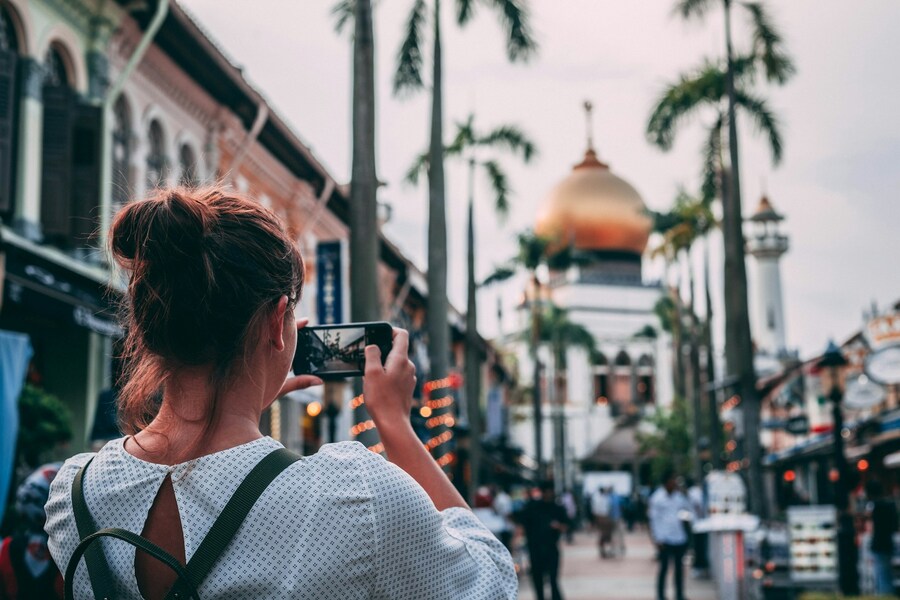
While the booking process is becoming more automated, the logistical side of travel still requires a bit of manual finesse. To truly master the "hack" of modern air travel, you must combine high-tech booking with high-efficiency ground habits. This starts long before you reach the gate.
Managing the pre-flight logistics
One of the most overlooked aspects of a "frictionless" trip is the transition from your home to the airport. Even the most perfectly booked flight can be ruined by a stressful start at the terminal. If you are flying out of Northern California, specifically the San Jose area, you know that the "silicon" in Silicon Valley doesn't always translate to easy parking. To keep your journey as seamless as the Instagram photos that inspired it, you should look into SJC Airport parking options well in advance. Finding reliable SJC parking deals through dedicated aggregators can save you a significant amount of money compared to drive-up rates. By securing a spot in a nearby off-site lot that offers 24/7 shuttle service, you ensure that your "visual search" vacation starts with a calm ride to the terminal rather than a frantic hunt for a parking space.
Optimizing your digital footprint
To get the most out of visual search engines, you need to "train" your algorithm. Like the posts that truly interest you, save the carousels that provide detailed itineraries, and follow accounts that focus on "slow travel" or "regenerative tourism." The more you interact with high-quality, authentic travel content, the more the platform will surface relevant booking opportunities and flight deals specifically tailored to your tastes. In essence, you are turning your social media feed into a personalized travel agency that works for you 24/7.
Staying "Screenless" after the booking
While technology is the bridge that gets you to your destination, the goal of the modern traveler is often to disconnect once they arrive. The concept of "Screenless Serenity" is a rising trend. Use the efficiency of visual booking to handle all the boring logistics – check-ins, boarding passes, and reservations – so that when your feet finally touch the ground in that photo-perfect location, your phone can stay in your pocket. The best travel hack of all is using technology to buy yourself the time to ignore it.
Conclusion
Source: Shutter Speed/Unsplash
The era of manual, text-heavy travel planning is fading into the background, replaced by a more intuitive, image-driven experience. Visual search booking allows us to connect with our destinations on an emotional level before we even pack a suitcase. By using Instagram as a discovery engine and leveraging AI to bridge the gap between inspiration and the checkout page, you can reclaim hours of your life and ensure that your travels are as vibrant as the images that first caught your eye.
Whether you are capturing a screenshot of a remote mountain villa or snagging a last-minute flight through a shoppable Reel, the tools are now at your fingertips. The key to successful travel in this decade isn't just about finding the cheapest flight; it's about using the right technology to find the right experience. From the moment you start your search to the moment you pull into your pre-booked airport parking spot, every step of the journey should be as effortless as a single tap on a screen. The world is more visible than ever – it's time to start booking what you see!


