

The modern traveler is no longer defined merely by the stamps in their passport or the miles accrued in a loyalty program. Instead, the hallmark of a sophisticated globetrotter is the ability to navigate foreign environments with the grace of a local and the efficiency of a seasoned professional. In an era where technology evolves at a breakneck pace, the barriers that once made international travel a daunting endeavor – specifically language and logistics – are being dismantled by artificial intelligence and smart infrastructure. We've moved past the days of fumbling with paper maps and heavy pocket dictionaries. Today, the world is more accessible than ever, provided you have the right tools in your pocket and the right hardware in your ears.
The dream of seamless communication in a foreign tongue, once the stuff of science fiction like the universal translators of classic cinema, has finally crystallized into a consumer reality. Whether you are navigating a bustling night market in Seoul, negotiating a business deal in Berlin, or simply trying to find the best hidden bistro in a quiet Parisian arrondissement, the ability to understand and be understood in real-time is transformative. This travel guide explores the cutting-edge landscape of translation technology and pairs it with the essential air travel hacks that every modern voyager needs to master.
So, how can real-time translation earbuds revolutionize your next trip?
 Source: Julio Lopez/Unsplash
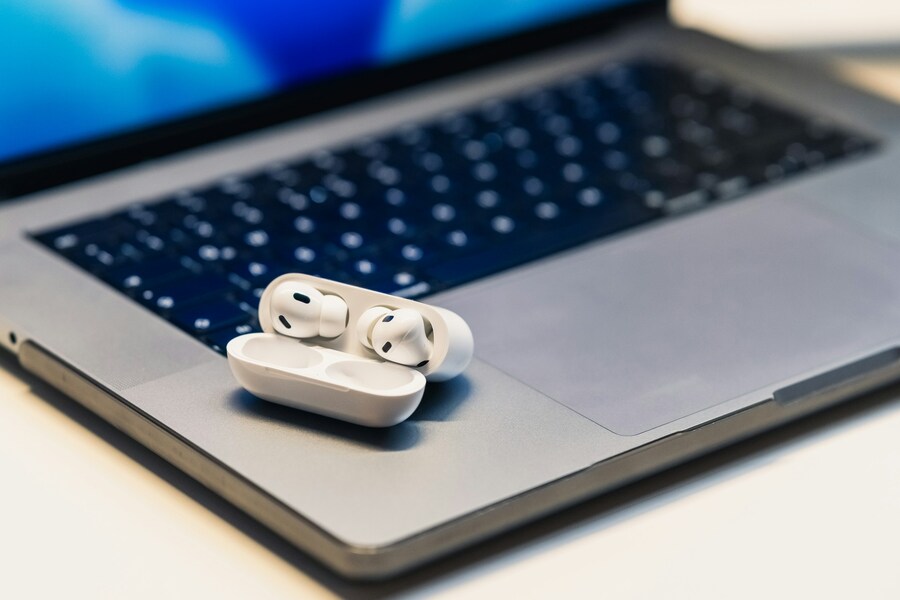
The centerpiece of any high-tech travel kit is undoubtedly a pair of high-fidelity translation earbuds. These devices do more than just play music; they serve as a digital bridge between cultures. Unlike traditional handheld translators that require you to pass a device back and forth – breaking the natural rhythm of eye contact and body language – the latest earbuds allow for a fluid, "natural" conversation. By utilizing advanced neural machine learning and cloud-based processing, these devices can now translate dozens of languages with latency so low it feels almost instantaneous.
Breaking the silence: the top contenders in translation tech
When selecting the right pair of earbuds for your journey, the choice often depends on your existing tech ecosystem and your specific travel needs. For those who prioritize raw translation power and professional-grade accuracy, dedicated devices like the Timekettle W4 Pro have set a new benchmark. These are not just standard earbuds with a translation app; they are engineered specifically for bidirectional, simultaneous interpretation. They feature specialized "One-on-One" modes that allow two people to speak naturally without waiting for the other to finish, making them ideal for long-form conversations or business meetings.
On the other hand, many travelers prefer a multi-purpose tool that integrates into their daily life. The Google Pixel Buds Pro 2 and the Samsung Galaxy Buds 3 Pro represent the pinnacle of this "all-in-one" philosophy. For Android enthusiasts, the Pixel Buds offer a deeply integrated experience with the Google Translate and Gemini AI ecosystems. The ability to trigger "Conversation Mode" with a simple voice command allows you to maintain momentum while navigating a new city. Meanwhile, the Galaxy Buds 3 Pro leverage Samsung's proprietary "Interpreter" tool, providing a split-screen visual interface on a paired smartphone while feeding the translated audio directly into the listener's ear. Even Apple has joined the fray with the AirPods Pro 3, which utilize on-device processing to provide high-quality translation while maintaining the industry-leading
Navigating the airport ecosystem with efficiency
While translation tech handles the social side of travel, the logistical side requires a different set of "hacks." The landscape of air travel has shifted significantly, and the old rules of booking no longer apply. For instance, data from major travel aggregators suggests that the long-held belief that Tuesday is the cheapest day to book has been replaced by a focus on the day of departure. Interestingly, Friday has emerged as a surprisingly affordable day for international departures, largely due to a shift in business travel patterns.
Beyond booking, the "carry-on only" movement has reached a fever pitch. With airlines increasing baggage fees and the complexity of checked luggage systems, travelers are finding creative ways to bypass the carousel. "Wearable luggage" – the practice of wearing your heaviest coats and layering multiple shirts through security – has become a standard tactic for budget-conscious Gen Z and Millennial flyers. Moreover, the use of digital wallets and "screenshotting" boarding passes remains a critical fail-safe. Even in an age of ubiquitous Wi-Fi, airport networks can be notoriously fickle; having a static image of your QR code saved in your favorites folder can save you from a stressful moment at the gate.
The rise of biometric boarding and digital identity
Security checkpoints have traditionally been the primary source of travel anxiety, but the transition to "Touchless ID" is finally reaching a critical mass at major international hubs. Many travelers are unaware that they can now opt-in to programs that link their government-issued ID and passport to a facial biometric profile. This allows for a "curb-to-gate" experience where you rarely need to reach for a physical document. By maintaining an active airline profile and keeping your passport data updated in your carrier's app, you can utilize dedicated lanes that use advanced facial comparison technology.
This shift toward digital identity isn't just about speed; it's about reducing the physical cognitive load of travel. When your face serves as your boarding pass and your passport, you are less likely to experience the "document panic" that occurs when fumbling through a backpack at a crowded gate. However, a crucial hack for this digital age is to still carry a physical REAL ID-compliant backup. While biometric systems are incredibly efficient, they aren't infallible, and having a physical card ensures you won't be grounded by a rare system glitch or a power outage at a regional terminal.
Source: Brett Jordan/Unsplash
Intelligent scheduling and "coolcation" trends
The timing of your travel has become more nuanced than simply avoiding the summer rush. A growing movement known as "coolcations" has seen travelers flocking to northern latitudes – think Scandinavia, Iceland, and the Canadian Rockies – to escape the intensifying heat of traditional Mediterranean or tropical hotspots. This shift has opened up significant value in the traditional "off-season." Booking international travel roughly 31 to 45 days in advance has proven to be the "sweet spot" for savings, often netting discounts that far exceed those found by booking six months out.
Moreover, the concept of "hushpitality" is taking over the airline industry. Travelers are increasingly seeking out "quiet" travel experiences that allow for a digital detox and reduced sensory overload. Airlines are responding by offering more robust "Do Not Disturb" features in their premium cabins and even in economy through improved app-based service requests. By using your translation earbuds in noise-canceling mode, you can create a private sanctuary even in a crowded cabin. This allows you to arrive at your destination refreshed and ready to engage with the local culture rather than recovering from the exhaustion of the flight itself.
Master your ground logistics before takeoff
The journey begins long before you reach the gate, and the most overlooked source of travel stress is often the transition from the car to the terminal. Smart travelers know that the "drive-up" experience is usually the most expensive and least efficient way to start a trip. Instead, leveraging digital tools to pre-book logistics is the key to a calm departure. This is particularly true in major coastal hubs where traffic and terminal construction can turn a simple drop-off into a nightmare.
For those flying out of Southern California, specifically through San Diego, the importance of a pre-planned arrival cannot be overstated. Finding a reliable spot that doesn't break the bank is essential for keeping your travel budget intact. Savvy travelers often look for SAN Airport parking options that provide a balance between proximity and price. By utilizing specialized platforms to secure SAN parking deals, you can often find rates that are significantly lower than the standard daily terminal fees. Many of these off-site lots offer frequent, complimentary shuttles that drop you off right at the curb, allowing you to bypass the congestion of the main airport loops and head straight to security with your translation earbuds ready to go.
Maximizing in-flight connectivity and AI assistants
The final frontier of the modern flight experience is the total integration of the smartphone as a travel control center. We've moved beyond simple Wi-Fi to a world of persistent connectivity where your airline's AI assistant can rebook a delayed connection or track your luggage in real-time without you ever leaving your seat. Most major carriers have moved to a "BYOD" (Bring Your Own Device) model for entertainment and service, which actually works in your favor. By using your own high-quality earbuds, you avoid the subpar audio of provided headphones and maintain a direct line to your AI-driven travel planning tools.
Sophisticated travelers use this time to download offline language packs for their translation earbuds while still on the airport Wi-Fi. While 5G is becoming more common internationally, "dead zones" still exist in rural areas or underground transit systems. Having 144+ languages stored locally on your device ensures that your "universal translator" works even when the network doesn't. This level of preparation, combined with the use of flight-hold AI systems that protect tight connections, ensures that the modern air travel experience is defined by autonomy and ease rather than frustration and uncertainty.
Conclusion

Source: Priscilla Du Preez/Unsplash
The future of travel isn't about the distance covered, but the depth of the connection you make with the world around you. By equipping yourself with the latest real-time translation earbuds, you remove the invisible walls that have traditionally kept tourists and locals apart. Whether you choose the dedicated power of a specialized translator or the versatile convenience of a mainstream flagship, the goal remains the same: to move through the world with confidence and curiosity.
Combine this technological advantage with modern air travel hacks – from strategic Friday departures to pre-booked parking solutions – and you transform the act of traveling from a series of hurdles into a seamless adventure. The world today is smaller, smarter, and more communicative than ever before. The only question left is which language you want to hear first when you land.


