

The pursuit of the celestial has evolved from a niche hobby into a global travel phenomenon. As urban centers grow brighter and light pollution continues to seep into even the most remote corners of the planet, the "Dark Sky" movement has gained unprecedented momentum. Travelers are no longer content with standard sightseeing; they seek the profound silence of the desert or the high-altitude clarity of mountain peaks to witness the universe in its rawest form. Meteor showers, in particular, represent the pinnacle of this experience – brief, predictable, and breathtaking windows into the mechanics of our solar system. Navigating the logistics of air travel to reach these pristine locations requires a blend of astronomical timing and savvy traveler intuition.
So, how can you master the logistics of modern air travel for dark sky expeditions?
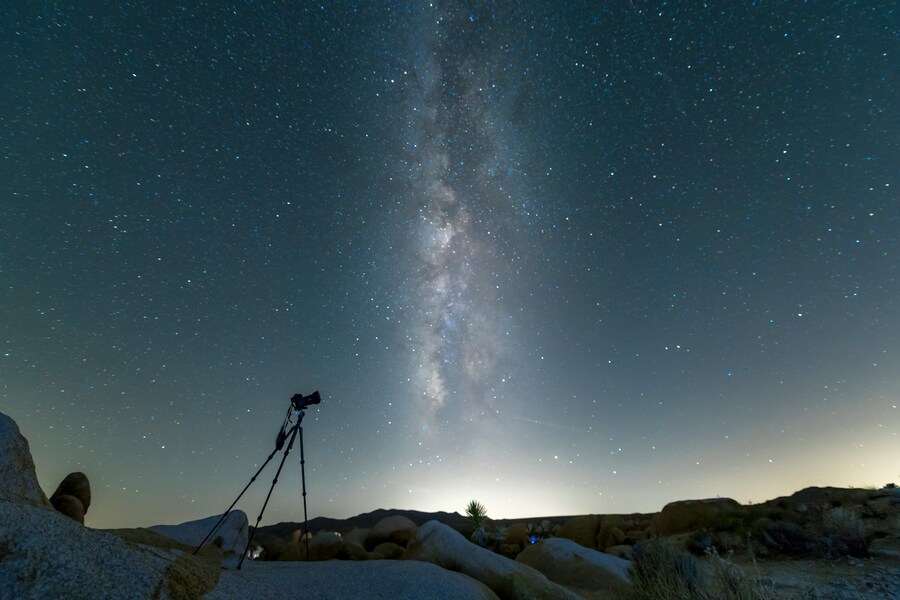 Source: Ken Cheung/Unsplash
The foundation of a successful astronomical journey begins long before you reach the airport terminal. To witness a major meteor shower, such as the Perseids or the Geminids, your planning must account for the specific lunar cycle. Even the clearest sky can be washed out by a full moon, rendering a long-distance flight ineffective for deep-sky observation. Therefore, the first "hack" for any dark sky enthusiast is the integration of astronomical calendars with flight booking engines. Savvy travelers look for flights that arrive two to three days before the peak of a shower during a New Moon phase. This provides a buffer for potential weather disruptions and allows for acclimatization to the local environment, which is often at high altitude where the air is thinner and more transparent.
Timing the skies and the terminals
Efficiency in air travel is often about the mastery of the "shoulder window." Just as astronomers wait for the "astronomical twilight" to end before beginning their observations, travelers should look for the mid-week lull in flight schedules. Tuesday and Wednesday remain the gold standard for departing on long-haul expeditions to remote dark sky parks. By avoiding the weekend rush, you not only save on fare costs but also encounter shorter lines at security, which is vital when carrying delicate optical equipment. If you are traveling with telescopes or high-end astrophotography gear, the physical logistics become more complex. Most experienced observers recommend using hard-shell, padded cases that meet international carry-on standards to avoid checking sensitive lenses. However, if a tripod is necessary, it almost always requires checked luggage, necessitating a strategy for baggage tracking that utilizes modern Bluetooth or GPS tags to ensure your gear arrives at the same remote airstrip you do.
Navigating remote connections
Many of the world's premier dark sky locations, such as the
Optimizing the in-flight experience for night owls
The physiological toll of crossing time zones can dull the senses, which is the last thing an observer wants when trying to spot faint meteors at 3:00 AM. To combat this, the "anti-jet lag" protocol involves shifting your internal clock toward the destination time zone the moment you step onto the aircraft. For dark sky tourism, this often means staying awake during a daylight flight to ensure you can sleep upon arrival, or vice versa. Hydration is equally critical; the low humidity in aircraft cabins dehydrates the eyes, which can lead to reduced night vision. Investing in high-quality lubricating eye drops and avoiding caffeine or alcohol during the flight will ensure that when you finally stand under a Bortle Class 1 sky, your pupils can dilate fully and your visual acuity is at its peak.
Technical gear and security protocols
Transporting specialized equipment through airport security requires a proactive approach. When security agents see bundles of wires, heavy glass elements, and large metal tubes in an X-ray, it often triggers a manual inspection. You can streamline this by neatly organizing your cables with Velcro ties and placing your most sensitive lenses in a clear, easy-to-access compartment. It's often helpful to have a printed sheet explaining that the equipment is for astronomical research or photography. This transparency reduces friction with TSA or international equivalents. In addition, ensure all lithium-ion batteries for your tracking mounts or cameras are in your carry-on luggage, as international safety regulations strictly prohibit them in the cargo hold. Having these batteries pre-charged and easily accessible for a "power-on" test can save precious minutes at the gate.
Strategic booking and reward maximization
For those who travel frequently for meteor showers, loyalty programs are more than just perks; they are essential tools for mitigating the high costs of reaching remote destinations. Using "open-jaw" tickets – where you fly into one city and out of another – can be particularly effective for dark sky road trips. For instance, you might fly into a major hub, rent a car to drive into the wilderness, and depart from a different regional airport closer to your final observation site. This eliminates the need for a long return drive and maximizes your time under the stars. Using credit card points for lounge access during long layovers also provides a quiet space to check weather patterns, download the latest star charts, and rest before the nocturnal demands of a meteor shower peak.
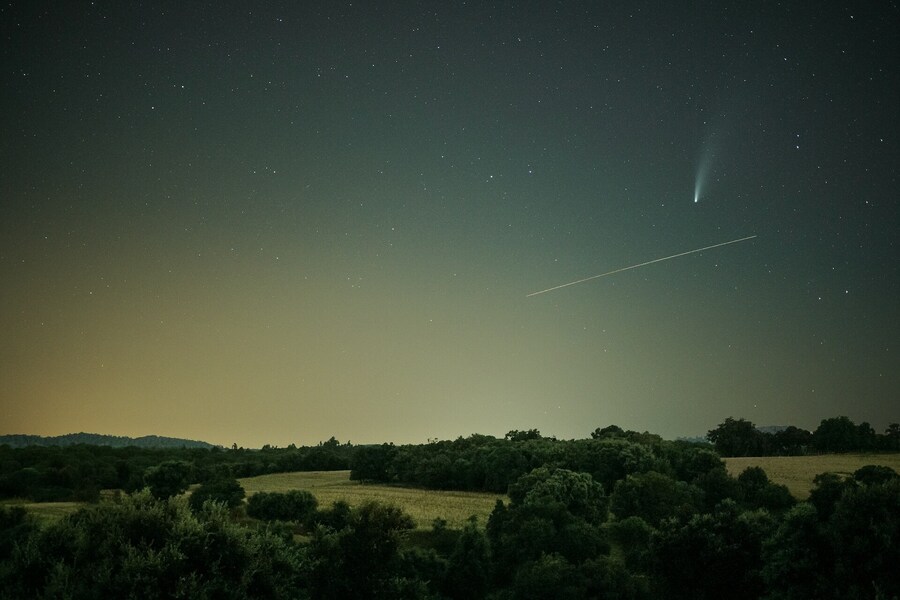
Source: Marc Sendra Martorell/Unsplash
Preparing for the ground segment
Once the flight lands, the transition from air traveler to dark sky observer begins. The "hack" for the ground segment is to have your rental car pre-booked with a provider that allows for 24-hour pickups. Many remote airports have limited operating hours, and missing your window could mean a night spent in a brightly lit terminal instead of a dark field. Moreover, verify that your rental vehicle allows for the disabling of "puddle lights" or automatic headlights that trigger when doors open. In a dedicated dark sky park, white light is often discouraged or even banned, so being able to operate your vehicle in "dark mode" or using red cellophane to cover interior lights is a mark of a respectful and prepared traveler.
Financial planning for celestial events
The costs of dark sky travel can escalate quickly, especially when chasing specific events like total solar eclipses or rare meteor outbursts. Budgeting for these trips requires a "buffer fund" for last-minute changes. If a localized weather front threatens to obscure the sky at your primary destination, having the financial flexibility to hop on a short regional flight to a clearer zone can be the difference between a successful expedition and a total washout. Many travelers now use specialized travel insurance that covers "itinerary changes" specifically for weather-related events, providing a safety net for their astronomical investments.
Maximizing comfort in remote locations
While the focus is on the stars, the reality of dark sky tourism often involves long hours in cold, exposed environments. Your air travel packing list should prioritize high-tech layering systems that provide warmth without bulk. Items like merino wool base layers and packable down jackets are perfect for air travel as they can double as pillows or blankets on the plane, then serve their primary purpose in the field. Small, portable power banks that you used to keep your phone charged during the flight become essential for powering lens heaters that prevent dew from forming on your optics during a long night of observation.
Leveraging technology for real-time adjustments
In the days leading up to your departure, use satellite imagery apps to monitor cloud cover trends. The modern air traveler has access to the same data as professional meteorologists. If the data suggests a persistent cloud layer over your intended destination, you might use your airline's "flexible rebooking" policy to shift your arrival to a neighboring state or province. This agility is the hallmark of the 21st-century traveler. Being tethered to a single location is a thing of the past; the "chase" is now part of the adventure, and air travel is the vehicle that makes it possible to outrun a storm system to find a clear patch of sky.
Airport logistics and regional specifics
When traveling through major hubs like Montréal Trudeau International (YUL), the logistical ease of your departure can set the tone for the entire trip. For those flying out of Québec to reach northern dark sky sites or heading south to the desert, the convenience of nearby facilities cannot be overstated. Finding reliable YUL Airport parking or scouting for various YUL parking deals allows you to leave your vehicle in a secure location without breaking your travel budget. This is particularly important for stargazers who may be away for two weeks or more, waiting for the perfect lunar window. Settling these mundane details early ensures that your mind is free to focus on the complexities of polar alignment and exposure times rather than worrying about the safety of your car back home.
The bottom line

Source: Nacho Rochon/Unsplash
Dark sky tourism is a testament to our enduring fascination with the cosmos, but it requires a sophisticated approach to travel to execute successfully. By combining meticulous astronomical planning with the latest air travel hacks – from gear management and strategic booking to local logistical coordination – you can ensure that your journey is as smooth as the celestial motions you've come to admire. The world is becoming brighter, but the shadows are still there for those willing to fly the extra mile to find them. Whether you are chasing the fiery trails of the Perseids or the silent glow of the Milky Way, the key is to remain adaptable, prepared, and perpetually looking upward. The stars haven't changed in millennia, but the way we reach them has, and mastering the art of the journey is the first step in uncovering the secrets of the night.


