

The modern era of aviation has ushered in a silent revolution in how we traverse the globe. While passengers often focus on the entertainment screens, the seat pitch, or the quality of the meal service, the most significant changes are happening within the very walls of the aircraft. For decades, aluminum was the king of the skies, but today, composite materials like carbon-fiber-reinforced polymers have taken the throne. These materials allow for higher cabin pressure and slightly better humidity levels, yet the fundamental challenge remains: air travel is an inherently dehydrating experience. The "dry cabin" isn't just a catchphrase; it's a physiological reality that affects every traveler from the casual vacationer to the seasoned business executive. Understanding how to navigate this environment requires more than just drinking an extra cup of water during the beverage service. It demands a holistic approach to hydration, wellness, and tactical planning.
The shift toward composite fuselage aircraft, such as the Boeing 787 Dreamliner and the Airbus A350, has certainly improved the baseline comfort of long-haul flights. These planes can be pressurized to a lower effective altitude – often around 6,000 feet compared to the 8,000 feet of older metal jets – which allows the air to hold more moisture without risking structural corrosion. However, even with these advancements, the relative humidity in a cabin rarely exceeds 20%, which is significantly lower than the 30% to 50% humidity levels humans typically find comfortable on the ground. This discrepancy leads to the classic symptoms of "airplane brain," fatigue, dry skin, and irritated eyes. To truly master the art of air travel, one must look beyond the engineering of the plane and focus on the biology of the passenger.
So, how can travelers master the art of hydration in the modern era of high-tech flight?
 Source: Jason Jarrach/Unsplash
The secret to staying hydrated in a high-tech cabin begins long before the boarding pass is scanned. Most travelers make the mistake of trying to "catch up" on hydration once they are already in the air. By then, the low-pressure environment is already drawing moisture from the mucous membranes and the skin. A proactive strategy involves a 48 hour lead-up where water intake is consistent and supplemented by electrolytes. In the modern travel landscape, it's no longer enough to just drink plain water; the balance of sodium, potassium, and magnesium is what allows the body to actually retain that fluid rather than simply processing it through the system.
The science of internal fluid management
When you are suspended miles above the earth, your body undergoes a process called trans-epidermal water loss. The recycled air, though filtered through advanced HEPA systems, is stripped of its natural moisture content to protect the electronics and structural integrity of the vessel. To combat this, smart travelers have turned to high-quality electrolyte powders or tablets. These supplements ensure that the water you consume is being utilized at a cellular level. It's also wise to reconsider the traditional "pre-flight drink" at the airport lounge. Alcohol and excessive caffeine act as diuretics, encouraging the body to expel fluids at the exact moment it needs to conserve them. If you do indulge in a celebratory glass of champagne, the rule of thumb should be a two-to-one ratio: two glasses of water for every one glass of alcohol.
Dietary choices in the days leading up to a flight also play a massive role in how you feel upon landing. Consuming water-rich foods, such as cucumbers, celery, watermelons, and oranges, provides a "slow-release" form of hydration. These foods contain structured water that's absorbed more slowly than liquid water, providing a steady stream of moisture to your tissues. Moreover, reducing sodium intake in the 24 hours before departure can prevent the "puffy" feeling often associated with altitude changes. Salt encourages water retention in the wrong places – like your ankles and fingers – rather than keeping your internal systems lubricated.
Skin deep: external hydration tactics
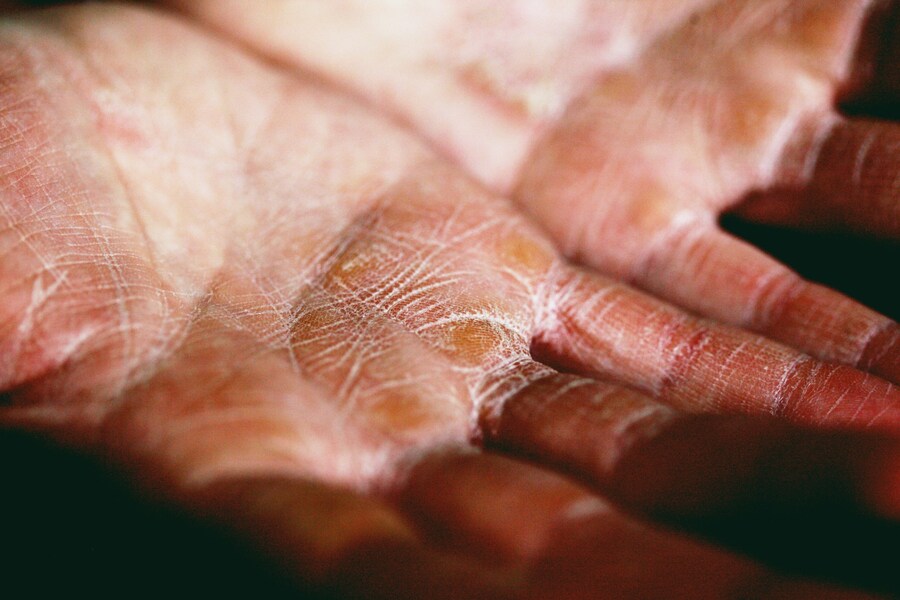
While internal hydration is the foundation, the external barrier of the skin requires its own set of hacks. In a composite fuselage plane, your skin is the first line of defense against the dry environment. The mistake many make is applying a light water-based moisturizer mid-flight. Because the cabin air is so dry, it'll actually pull the moisture out of that lotion and off your skin, leaving you drier than before. The professional hack is to use an "occlusive" layer. This involves applying a thick, lipid-rich balm or oil after a hydrating serum. This creates a physical barrier that traps moisture against the skin, preventing evaporation.
For the eyes and nasal passages, which are often the most sensitive to "dry cabin" syndrome, saline sprays and lubricating eye drops are essential. Many frequent flyers now use a thin layer of saline gel inside the nostrils to prevent the cracking and discomfort that can lead to post-flight colds. Because the dry air weakens the mucosal barrier – your body's primary defense against airborne pathogens – keeping these areas moist isn't just a matter of comfort; it's a vital health strategy. When your nasal passages stay hydrated, they are much more effective at trapping and neutralizing the viruses and bacteria that circulate in crowded spaces.
Tactical gear for the savvy flyer
The tools you bring on board can make or break your hydration strategy. Gone are the days of relying on the tiny plastic cups provided by flight attendants. A high-capacity, collapsible silicone water bottle is a mandatory piece of kit. It takes up no space in your carry-on when empty, allowing you to pass through security without issue, and can be filled at a filtered station immediately before boarding. Having a liter of water readily available at your seat ensures you aren't waiting for the meal service to take a sip.
In addition, consider the clothing you wear. Synthetic "moisture-wicking" fabrics are great for the gym but can actually contribute to skin dehydration on a long flight by pulling moisture away from your body. Natural fibers like merino wool or high-quality cotton are more breathable and help maintain a micro-climate of humidity between the fabric and your skin. This subtle shift in wardrobe can significantly reduce the "parched" feeling that often accompanies a ten-hour transoceanic journey.
Source: Manki Kim/Unsplash
Navigating the airport environment
The stress of navigating a busy terminal can often lead to "hydration amnesia." We become so focused on gates, security lines, and boarding groups that we forget the basic needs of our biology. This is why streamlining the "ground game" is so important. When you reduce the friction of getting to the plane, you arrive at your seat in a much better physiological state. Planning your arrival and logistics ahead of time allows for a calm transition into the flight environment. For those flying out of regional hubs, this means looking for ways to minimize the walk from the car to the terminal.
For travelers utilizing Tennessee's busy air corridors, finding reliable TYS Airport parking is a major stress-reducer. By securing one of the available TYS parking deals, you can ensure that your vehicle is staged in a convenient location, allowing you to spend those extra 20 minutes in the terminal focusing on nutrition and hydration rather than wandering through a crowded lot. This kind of logistical efficiency translates directly into a more relaxed physical state, lowering cortisol levels which, interestingly, can also impact how your body manages fluid balance.
Circadian rhythms and fluid balance
There's a fascinating link between your internal clock and your hydration levels. When we cross multiple time zones, our circadian rhythms are disrupted, affecting the production of vasopressin, a hormone that regulates water retention. To mitigate this, try to align your drinking and eating habits with your destination's time zone as soon as you board the aircraft. If it's morning at your destination, focus on bright, hydrating fluids like water with lemon. If it's evening, lean toward herbal teas like chamomile or peppermint. Peppermint tea is particularly useful as it aids digestion, which can often slow down or become erratic at high altitudes.
Moreover, movement is a secret weapon for hydration. It sounds counter-intuitive, but staying stationary causes blood and fluids to pool in the lower extremities. By getting up and walking the aisles every 90 minutes, you encourage circulation, which helps distribute fluids more evenly throughout the body. This prevents the concentrated dehydration that can occur in specific tissues and helps keep your energy levels stable. Even seated exercises, like ankle circles and calf raises, can stimulate the lymphatic system, which plays a crucial role in managing the body's fluid environment.
The role of advanced cabin features
In the latest generation of aircraft, pilots have more control over the environmental settings than ever before. Some airlines are now experimenting with "dynamic lighting" and "scent-scoping" to improve passenger well-being, but the real benefit remains the altitude pressure. Even so, the air is still thin. One hack used by many professional athletes is the use of a portable humidifier or a simple damp cloth. While you cannot bring a large humidifying machine on board, a simple "sheet mask" applied during a nap can provide a concentrated burst of moisture to the face. Alternatively, simply placing a damp (not dripping) cloth over your face for 10 minutes can provide immediate relief to parched skin and tired eyes.
It's also worth noting that the temperature of the cabin can fluctuate wildly. A cold cabin encourages the body to shunt blood toward the core, while a hot cabin leads to sweating and rapid fluid loss. Layering your clothing allows you to maintain a neutral body temperature, which is the most efficient state for fluid retention. If you find yourself shivering, your body is burning energy and losing moisture through increased respiration. If you are too hot, you are losing it through your pores. The goal is a steady, temperate equilibrium.
Conclusion
Source: Alexander Grey/Unsplash
Air travel in 2026 is a marvel of engineering, but it still presents a challenge to our biological "hardware." The move toward composite fuselages has mitigated some of the harshest aspects of the dry cabin, but it hasn't eliminated them. To arrive at your destination feeling refreshed rather than depleted, you must treat hydration as a multi-phased mission. It begins with pre-loading electrolytes days in advance, continues with strategic choices in the airport and on the plane, and ends with a disciplined approach to movement and skincare.
By viewing the aircraft cabin as a unique environment that requires specific "operating procedures," you can bypass the common pitfalls of travel fatigue. Remember that water is just one part of the equation; minerals, food choices, and even the clothes you wear all contribute to your overall hydration status. Whether you are flying for business or pleasure, these hacks will ensure that your body is as ready for the destination as your mind is. Mastery of the "dry cabin" is the ultimate travel skill, turning a grueling journey into a seamless transition between worlds.


