

The modern landscape of air travel has shifted dramatically over the last few years, moving away from the era of simple ticket booking toward a highly complex dance of logistical maneuvering. Navigating a bustling terminal today is less about the glamour of flight and more about the mastery of efficiency. As security protocols become more automated and baggage fees more punitive, seasoned travelers have had to adapt by identifying the specific friction points that make a journey stressful. One of the most persistent of these friction points is the simple matter of hydration. For decades, passengers have been caught in a cycle of purchasing overpriced plastic bottles post-security or struggling with bulky containers that take up precious real estate in their carry-on bags. However, a quiet revolution has taken place in the form of the collapsible silicone water bottle. This single item has transitioned from a niche hiking gadget to an essential travel hack that addresses financial, environmental, and spatial concerns simultaneously. By understanding the mechanics of modern air travel and the physical constraints of contemporary aircraft cabins, one can see why this humble accessory has claimed the top spot for savvy flyers.
So, how does a simple bottle change the entire flight experience?
 Source: Ruthie/Unsplash
The core of the air travel struggle often boils down to a conflict between necessity and space. You need water to stay healthy and comfortable during a long-haul flight, yet a standard rigid bottle is a cumbersome object once it's empty. This is the fundamental problem that collapsible silicone technology solves. These bottles are engineered from high-grade, food-safe silicone that allows them to be folded, rolled, or flattened when not in use. This flexibility means that as you consume your beverage, the physical footprint of your luggage actually decreases. In an era where every cubic inch of a personal item under the seat or an overhead bin is scrutinized, the ability to reclaim space is a powerful advantage. Moreover, the modern airport infrastructure has evolved to support this trend. Almost every major international terminal now features high-tech hydration stations that provide filtered, chilled water for free. By carrying a collapsible bottle, a traveler effectively opts out of the predatory pricing of airport retail, where a single liter of water can often cost more than a light meal.
The science of silicone and portability
When we look at the material science behind these accessories, it becomes clear why silicone has outpaced traditional plastic or heavy stainless steel for the frequent flyer. Silicone is a non-toxic polymer that remains stable at a wide range of temperatures, meaning it won't leach chemicals into your water even if it sits in a hot car or a pressurized cabin. From a structural standpoint, its elasticity allows it to withstand the pressure changes inherent in flight without cracking or leaking. Unlike rigid plastic bottles that might pop or deform as the plane ascends and the cabin pressure drops, a silicone bottle is naturally pliable. This durability ensures that your electronics and documents remain dry. When the bottle is empty, it can be compressed to roughly one-fifth of its original size. Many travelers find that they can secure a rolled-up silicone bottle into the same small pocket where they keep their passport or charging cables, a feat that's impossible with a standard Nalgene or a metal flask. This level of portability isn't just a convenience; it's a strategic tool for those who prefer to travel with "one bag" to avoid the delays and risks associated with checked luggage.
Navigating security and beyond
One of the most significant hurdles in any airport journey is the
Environmental impact and personal wellness
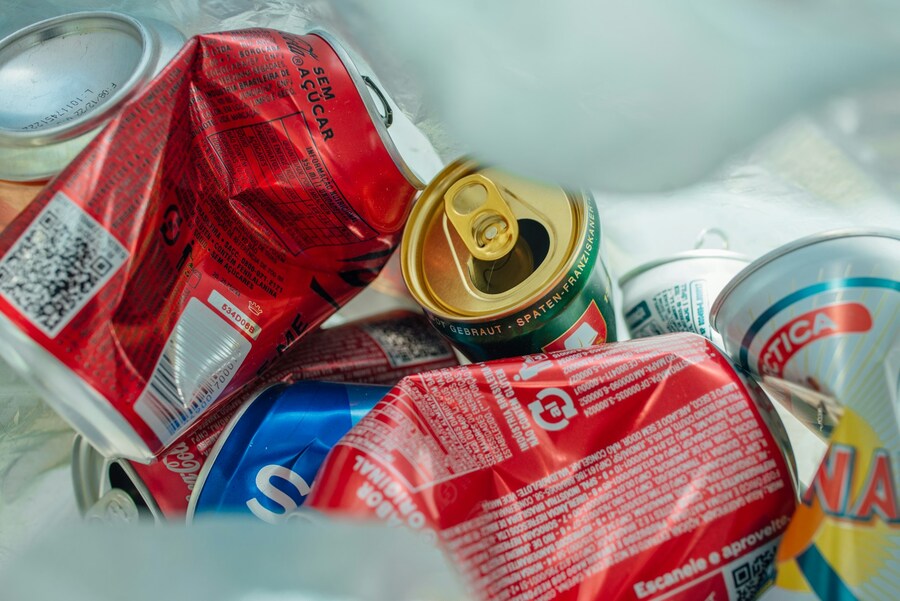
The shift toward reusable containers is also a response to the growing global awareness of plastic waste. The travel industry has historically been a major contributor to single-use plastic consumption, with millions of bottles discarded daily at gates and on planes. By adopting a collapsible silicone bottle, a traveler makes a personal commitment to reducing that footprint. This is not just about being eco-friendly; it's about personal health. The air inside an airplane cabin is exceptionally dry, often maintaining a humidity level of less than 20%. This environment can lead to rapid dehydration, which manifests as fatigue, headaches, and increased susceptibility to jet lag. Having a high-capacity bottle that you can refill multiple times throughout a flight ensures that you arrive at your destination feeling refreshed rather than depleted. It allows you to take control of your own biological needs rather than waiting for the flight attendant to pass by with a tiny plastic cup of water once every two hours.
Maximizing efficiency with smart luggage planning
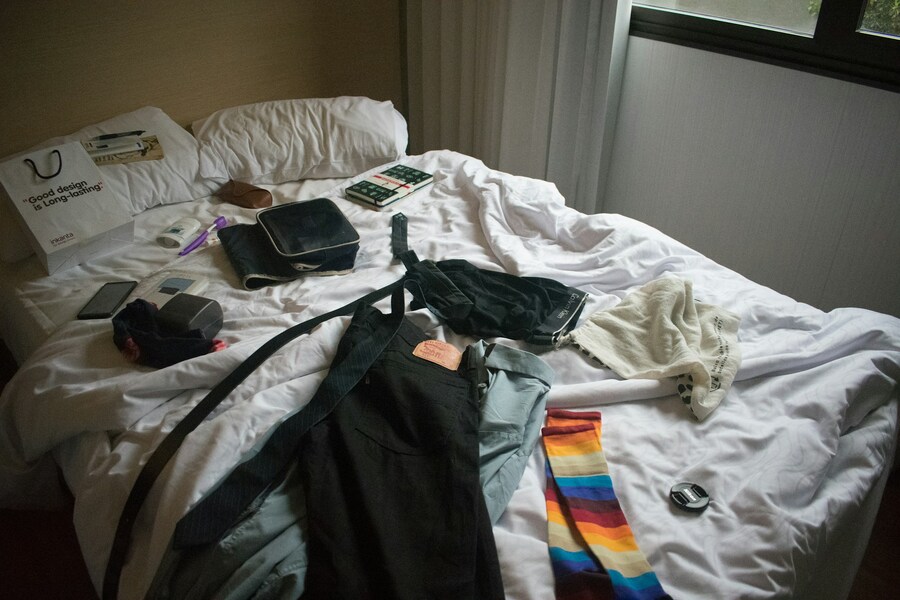
To truly appreciate the utility of the collapsible bottle, one must look at it as part of a larger system of smart luggage management. The goal of the modern traveler is "frictionless movement." This means every item in the bag must serve a purpose and, ideally, more than one. While a silicone bottle holds water, it can also act as a dry bag for small electronics in an emergency or even a cold compress if filled with ice from a terminal vendor. When planning your packing list, the key is to prioritize items that offer high utility with low weight. The weight of an empty silicone bottle is negligible, yet its value during a 12-hour transit day is immeasurable. It represents a shift in mindset: moving from being a passive consumer of airport services to an active manager of one's own comfort and resources.
The financial benefits of the reusable strategy
If we analyze the financial aspect, the savings over a single year of travel can be substantial. For a frequent flyer who takes ten trips a year, the cost of purchasing water at the airport can easily exceed several hundred dollars. A high-quality collapsible silicone bottle is a one-time investment that typically costs less than the price of four airport lattes. The return on investment is immediate. This financial pragmatism is a hallmark of the modern traveler who would rather spend their budget on experiences at their destination rather than on basic necessities in the transit lounge. In addition, many cafes and restaurants within airports are now more than happy to fill a reusable bottle for you, sometimes even offering a small discount on other purchases as a reward for your sustainable choice.
Choosing the right model for your needs
Not all silicone bottles are created equal, and choosing the right one is essential for a leak-free experience. Look for models that feature a rigid plastic neck or a reinforced cap assembly. This provides a stable point to hold while drinking, preventing the "floppy" sensation that some cheaper silicone containers have. A wide-mouth design is also preferable, as it makes cleaning the bottle much easier once you reach your hotel or Airbnb. Some advanced models even include integrated charcoal filters, which can be useful if you're traveling to a destination where the tap water quality is questionable. However, for most domestic and major international routes, a standard high-grade silicone bottle is more than sufficient. The inclusion of a carabiner or a sturdy strap is another feature to look for, allowing you to clip the bottle to the outside of your backpack, further saving internal space.
Strategic parking and terminal arrival
While the bottle hack handles your hydration, other aspects of the journey require similar foresight. Efficiency starts before you even reach the terminal. Long-term parking can be one of the most stressful and expensive parts of the trip if left to the last minute. For those flying out of the Gulf South, finding reliable and affordable MSY parking deals is a vital step in a seamless travel plan. Utilizing dedicated platforms to secure MSY Airport parking ensures that you aren't circling the garage minutes before your boarding time. Just as the collapsible bottle saves you money and stress inside the airport, pre-booking your parking space saves you time and anxiety outside of it. It allows you to transition smoothly from your vehicle to the shuttle and eventually to the security line, bottle in hand, ready for the journey ahead.
Conclusion
Source: Nathalia Segato/Unsplash
The evolution of travel accessories reflects our changing priorities as a global society. We're moving toward a future that values sustainability, efficiency, and minimalism. The rise of the collapsible silicone water bottle is a perfect microcosm of this shift. It's a tool that solves a physical problem (space), a financial problem (cost), and an ethical problem (waste). As we look at the requirements of the modern flyer, it's clear that the days of the bulky, rigid container are numbered. Those who adopt these simple yet effective hacks find that the stresses of the airport environment begin to fade, replaced by a sense of preparedness and ease.
Whether you're a digital nomad hopping between continents or a family heading out on a much-needed vacation, the water bottle hack is the easiest way to upgrade your travel experience instantly. It's about more than just staying hydrated; it's about reclaiming control over your environment in a world that often feels chaotic and overpriced. By integrating these small, smart choices – from the way you pack your bag to the way you handle your airport transit – you ensure that the journey is just as enjoyable as the destination itself. The collapsible silicone bottle isn't just a trend; it's the new standard for anyone who wants to fly smarter, cheaper, and greener.


