

The modern era of air travel is often characterized by a sense of urgency. From the moment you begin searching for a flight, you're bombarded with psychological triggers designed to make you click "buy" immediately. You see warnings that only two seats are left at a specific price or timers counting down the minutes until your session expires. This environment creates a significant amount of stress for travelers who want to ensure they're getting the best possible deal without making a costly mistake. However, there's a powerful tool in your arsenal that remains one of the best-kept secrets of the industry. It's a regulatory safety net that allows you to pause, reflect, and even change your mind after you have already handed over your credit card details. This mechanism provides a window of opportunity to secure a low fare while you finalize your plans, ensuring that the "book now, think later" strategy is actually a viable and safe way to navigate the skies.
So, how can travelers master the 24-hour rule to save money and reduce stress?
 Source: Tim Gouw/Unsplash
Understanding the mechanics of the 24-hour rule is the first step toward becoming a more confident traveler. At its core, this rule is a consumer protection mandate that requires airlines to allow passengers to cancel a booking within 24 hours of purchase without penalty, provided the ticket was booked at least seven days before the departure date. This applies to almost all flights involving a departure from or arrival at a domestic airport, regardless of the airline's own internal refund policies. It effectively turns every "non-refundable" ticket into a fully refundable one for a very brief but critical window of time. This isn't just a courtesy; it's a fundamental right that allows you to lock in a fluctuating price point the moment you see it, giving you a full day to check with your travel companions, verify your hotel availability, or search for an even better deal elsewhere.
The nuances of booking directly vs. third-party sites
One of the most frequent points of confusion regarding this rule involves where you actually buy your ticket. While the federal mandate is very clear for airlines, it doesn't always apply in the same way to online travel agencies or third-party booking platforms. Many major third-party sites do offer a similar 24-hour cancellation policy to remain competitive, but they aren't always legally required to do so under the same specific framework as the airlines themselves. If you choose to book through an intermediary, you must meticulously read their terms of service before finalizing the transaction. Some platforms may charge a "processing fee" for cancellations, or they might only offer the refund in the form of site credit rather than returning the funds to your original payment method. To ensure the highest level of protection and the smoothest refund process, the most reliable strategy is to book directly through the airline's official website. This direct relationship simplifies any potential disputes and ensures that the refund process adheres strictly to the mandated guidelines without unnecessary middleman interference.
Strategies for "hold" features vs. instant purchase
Some airlines offer a variation of this rule by providing a "hold" feature. Instead of requiring you to pay upfront and then cancel for a refund, they allow you to reserve a fare for a small fee or even for free for 24 hours. It's important to distinguish between these two options. If an airline offers a free hold, they're technically fulfilling their legal obligation, and they may not be required to offer a refund if you choose to pay for the ticket and then change your mind later. Smart travelers often prefer the refund method over the hold method because it keeps the booking active and confirmed while they deliberate. However, if you're unsure about your budget or don't want to see a large charge on your credit card even temporarily, the hold feature can be a useful alternative. The key is to check the specific language used during the checkout process to see which version of the rule the airline is utilizing.
Leveraging the rule for price drops
A more advanced application of the 24-hour rule involves monitoring price fluctuations immediately after you have made a purchase. It's a common phenomenon for prices to drop slightly just after you've committed to a fare, perhaps due to a new promotional cycle or a shift in the airline's algorithm. By using the 24-hour window, you can continue to monitor fare tracking apps. If the price for your exact flight drops significantly within that first day, you can simply book the new, lower fare and then cancel your original booking for a full refund. This maneuver allows you to bypass the traditional "change fees" that would otherwise eat up any savings you found. It essentially gives you a "best price guarantee" for the first day of your journey's planning phase.
Handling non-refundable extras and add-ons
A common trap that travelers fall into involves the "extras" purchased alongside the seat. While the base fare and mandatory taxes are covered by the 24-hour rule, ancillary fees, such as seat assignments, priority boarding, or pre-paid baggage may not always be automatically refunded. Some airline systems are programmed to refund the entire transaction as a single unit, but others treat the ticket and the add-ons as separate line items. If you find yourself needing to cancel, pay close attention to the refund summary page. If the add-on fees aren't listed in the refund total, you may need to contact customer service directly to request a manual refund for those items. Being proactive in this regard ensures that you aren't leaving 20 or 50 dollars on the table for services you'll never use.
Maximizing the value of major transportation hubs
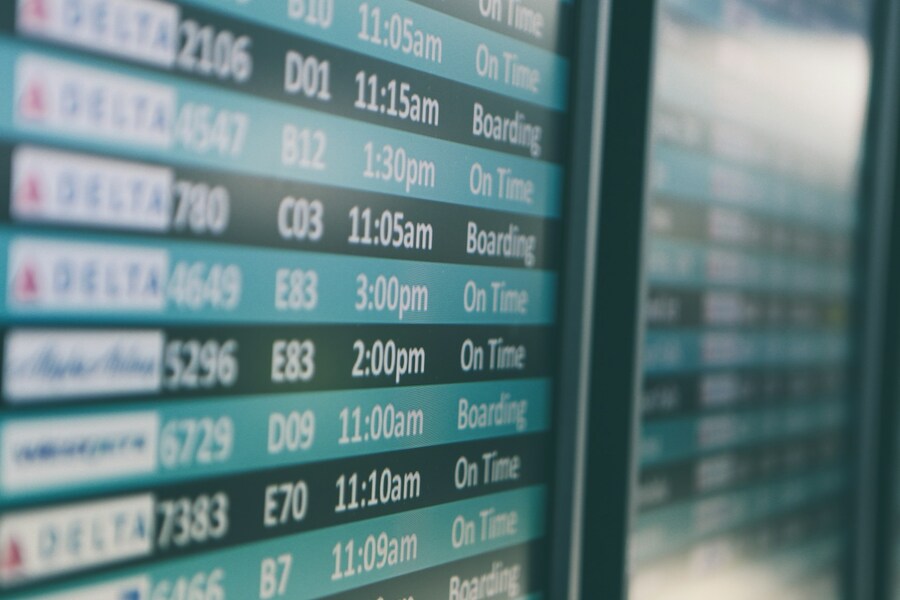
As you plan your departure, the logistics of getting to the airport can often be as complicated as the flight itself. Choosing the right hub can save you hours of travel time and hundreds of dollars in fare differences. Large regional airports often serve as the primary gateways for major carriers, offering more frequent flights and more competitive pricing than smaller municipal airfields. When you utilize these larger hubs, you also gain access to a wider variety of amenities and logistical support services that can make your departure morning much less hectic. For those traveling through the Midwest, for instance, the convenience of a major international gateway cannot be overstated, especially when you factor in the ease of pre-flight preparation.
Strategic planning for departure logistics
One of the most overlooked aspects of the 24-hour window is using that time to verify your ground transportation and logistical costs. A cheap flight is less of a bargain if the cost of getting to the terminal or leaving your vehicle there exceeds the savings on the ticket. This is particularly true for travelers who live a significant distance from the airport. During your 24-hour reflection period, you should research the total cost of the trip, including the transit to the gate. For travelers flying out of the Ohio, Kentucky, and Indiana tri-state area, finding affordable and secure parking is a major part of the equation. Utilizing resources for CVG Airport parking can help you lock in a rate that matches your budget, ensuring that your "great deal" on airfare isn't undermined by high daily storage fees. Taking a moment to find reliable CVG parking deals during your cancellation window allows you to build a comprehensive and realistic budget for your entire journey.
Using technology to track your 24-hour window
In the chaos of planning a trip, it's easy to let the 24-hour clock run out. To avoid this, many frequent flyers use digital tools to stay organized. Setting a calendar alert or a phone timer the moment you receive your confirmation email is a simple but effective habit. There are also browser extensions and apps specifically designed to track your "cancel by" time for various travel bookings. These tools can send you a notification two hours before the window closes, giving you one last chance to check if the price has dropped or if your plans have changed. In an era where digital distractions are constant, these automated reminders act as a necessary safeguard for your finances.
The psychology of the "safety net"
Beyond the financial benefits, the 24-hour rule provides a psychological benefit that's often underestimated. Travel planning is inherently stressful, involving a multitude of variables that are often out of our control. The knowledge that you have a "cooling-off period" allows you to approach the booking process with a sense of calm. You can make decisions based on the best information available at the moment, knowing that you aren't permanently locked into a mistake. This leads to better decision-making and a more enjoyable overall experience. When you remove the fear of making a costly error, you can focus on the more exciting aspects of your trip, like choosing excursions or researching local cuisine, rather than obsessing over whether you clicked the wrong date or misspelled a middle name on the reservation.
Dealing with customer service for refunds
While most modern airlines have automated the 24-hour refund process through their websites, you may occasionally encounter a technical glitch that requires human intervention. If the "cancel" button is grayed out or results in an error message, it's crucial to document the attempt. Take a screenshot of the error and the timestamp. If you have to call customer service, remain polite but firm. State clearly that you're requesting a refund under the 24-hour rule and that your booking meets all the necessary criteria (purchased within 24 hours and at least seven days before departure). Most agents are well-trained in this regulation and will process it quickly, but having your documentation ready will speed up the process if the system is being difficult.
The bottom line

Source: Vladimir Solomianyi/Unsplash
Mastering the intricacies of air travel requires more than just finding a low fare; it requires an understanding of the systems and regulations that govern the industry. The 24-hour rule is perhaps the most significant advantage a passenger has in the modern marketplace. It transforms the high-pressure environment of flight booking into a manageable, two-step process where you can secure a price and then verify the details with total peace of mind. By combining this regulatory protection with smart logistical planning – such as accounting for total trip costs and securing the best rates for airport services – you can ensure that your travels are as cost-effective and stress-free as possible. Whether you're a seasoned business traveler or a family planning a once-a-year vacation, the ability to lock in a price and cancel risk-free is a strategy that should be at the heart of every booking you make. In a world of non-refundable constraints, this 24-hour window is your most valuable asset for flexibility and financial security. May your future journeys be filled with seamless connections, incredible discoveries, and the enduring peace of mind that comes from being a truly informed traveler!


