

The days of simply flashing a U.S. passport at a European border guard and sauntering into the Schengen Area are coming to a close. A monumental change in European border security and traveler authorization is set to reshape how Americans and other visa-exempt nationals plan and execute their short-term trips abroad. This new system, the
This shift represents a modernization effort designed to address current security concerns without unduly penalizing legitimate visitors. By implementing ETIAS, the European Union seeks to accelerate the check-in process at the border for pre-approved travelers while gaining critical intelligence needed for public safety. This new protocol effectively eliminates the need for manual checks against extensive databases at the port of entry, promising smoother journeys and fewer unexpected delays upon arrival. Understanding the nuances of the application – from the required fee and validity period to the specific countries where it's enforced – will ensure your trip remains focused on leisure and exploration. So, let's unpack the details!
What's ETIAS, how will it affect U.S. travelers, and where do I need to use it?
 Source: Jakub Żerdzicki/Unsplash
ETIAS is Europe's answer to similar programs currently employed by the United States (ESTA), Canada (eTA), and the United Kingdom (ETA). It's a completely electronic system designed to modernize border management across the Schengen Zone and its partners. The core mechanism involves a quick online application that screens travelers against various EU and international security databases, including Europol, the Schengen Information System (SIS), and INTERPOL. The goal is simple: to make Europe safer by preventing individuals who pose a security or health risk from entering, while simultaneously streamlining the entry process for the overwhelming majority of authorized travelers.
The financial and validity snapshot for Americans
The most noticeable impact for U.S. citizens is the introduction of a non-refundable application fee. While initial proposals had set the fee lower, the current official cost is €20 (Euros) for most adult applicants. This fee is a one-time charge per application and is significantly lower than most traditional visa costs. Importantly, the fee is generally waived for two key groups: applicants under the age of 18 and those over the age of 70, recognizing the lower security risk associated with these demographics.
Once approved, an ETIAS authorization is valid for a considerable period – three years – or until the expiration date of the passport used in the application, whichever comes first. This means that a single successful application will cover multiple short-term trips (up to 90 days in any 180-day period) across the entire Schengen Zone for that three-year window, eliminating the need to apply and pay for every vacation.
The geography: understanding the 30-country requirement
The ETIAS requirement extends beyond the traditional Schengen Area, which comprises 27 countries that have abolished passport and other types of border control at their mutual borders. In total, ETIAS will be mandatory for entry into 30 European countries.
This group includes all Schengen member states like France, Germany, Spain, Italy, the Netherlands, and Iceland, as well as several countries that are part of the broader Schengen framework or are working towards full implementation, such as Bulgaria, Romania, and Cyprus. Crucially, travelers should know that the authorization isn't required for travel to the United Kingdom or Ireland, which maintain their own separate border and travel authorization policies. The key is to check the official list of countries before booking, but generally, if your destination is a major European travel hub, ETIAS is likely required.
ETIAS vs. EES: the new digital border
It's important to understand that ETIAS is only half of the new European digital border system. It's often confused with the Entry/Exit System (EES), which is a separate but coordinated system.
The EES implementation
The EES is an automated IT system that registers non-EU nationals every time they cross an external EU border. It records the traveler's name, type of travel document, biometrics (fingerprints and a facial image), and the date and place of entry and exit. The EES is set to replace the traditional passport stamping process, allowing the EU to more accurately and efficiently track overstayers and enforce the 90-day short-stay limit. For travelers, this means a one-time biometric data collection at the border on their first entry into an EES country. While ETIAS is about pre-screening before you travel, EES is about digital management when you physically arrive.
How to apply for ETIAS and ensure rapid approval
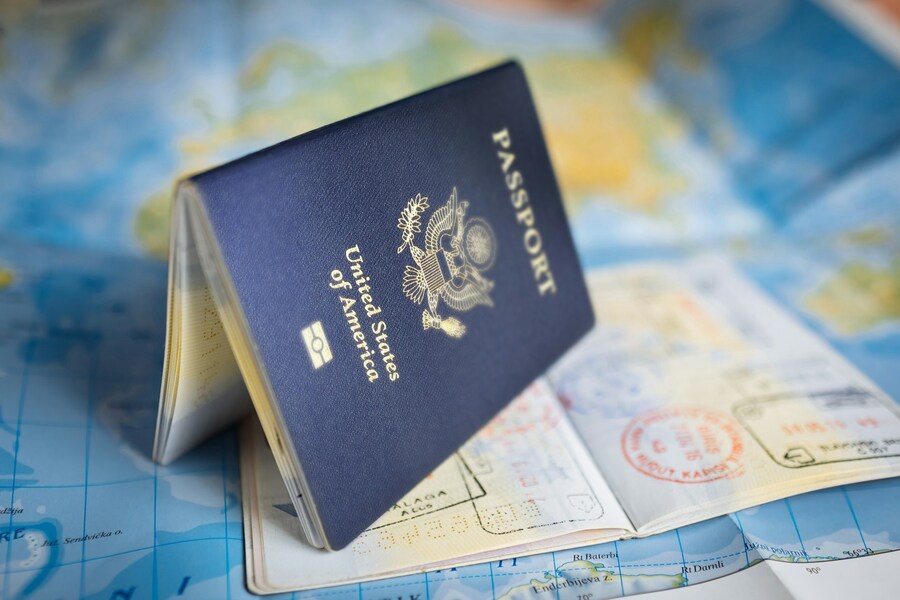
Applying for the ETIAS is designed to be a quick, intuitive online process, often taking less than ten minutes to complete. The most important factor in securing rapid approval is preparation and accuracy. The entire process is automated initially, with approval often granted in minutes, but any inconsistency or error will flag the application for manual review, which can take days or even weeks.
Documentation and information checklist
Before you begin the application, you must have all necessary information and documents ready to enter accurately and without delay. A checklist is indispensable here:
- Valid U.S. passport. This is the most crucial item. It must be a biometric, machine-readable passport, and it must be valid for at least three months beyond your intended date of departure from the Schengen Area. Moreover, passports issued more than ten years ago may be rejected, even if they have remaining validity.
- Active email address. Your ETIAS approval or any request for further information will be sent here. Use an email you check regularly.
- Payment method. A credit or debit card is needed to pay the mandatory €20 fee. Ensure your card is enabled for international transactions to avoid payment failure.
- Personal and travel details. The form will require biographical data (full name, date of birth, place of birth, parents' first names), your current occupation, education level, and the name of the first European country you intend to enter.
The step-by-step application process
The application is completed entirely through the official ETIAS website or the dedicated mobile app. Avoid unofficial third-party sites that may charge excessive or unnecessary service fees.
- Access the official portal. Navigate directly to the EU's official ETIAS online portal.
- Complete the form. Fill in all required fields accurately. A typo in your passport number or a misplaced date can instantly trigger a manual review and delay your authorization.
- Address security questions. The application includes a section with security and health-related questions covering criminal history, past travel to conflict zones, and previous deportation orders. Honesty is mandatory; your answers will be checked against international security databases.
- Pay the fee. Submit the non-refundable €20 fee via a secure payment gateway. The application cannot be processed until payment is confirmed.
- Receive confirmation. You'll receive an immediate email confirmation containing your unique ETIAS application number. Save this number. A final email notification regarding your approval status will follow, often within minutes.
The strategy for quickest approval
To maximize your chances of near-instant approval, be meticulous with the data you enter. The automated system is designed to approve clear applications rapidly. Any discrepancies between your provided data and the security databases – no matter how minor, such as misspelling a middle name or reversing dates – will result in a delay. Travelers with past criminal convictions or prior deportation orders should plan to apply several weeks in advance, as their applications will undoubtedly require manual review. The ETIAS is then electronically linked to your passport, making the authorization visible to airlines and border officials instantly.
Moreover, ensure your payment card is authorized for international transactions to prevent immediate rejection due to processing failures. If your application requires additional documentation, the European authorities will contact you via your provided email address. Responding promptly to these requests is vital for maintaining a fast timeline. Finally, double-check that your passport number uses the correct characters, specifically distinguishing between the number zero and the capital letter "O" to avoid errors.
The bottom line

The implementation of the ETIAS marks the end of one era of effortless European travel for Americans and the start of a new, digitally secure one. The €20 fee and the necessity of a pre-travel application are minor administrative steps when weighed against the benefits of an enhanced travel experience and a more secure European continent. The key to a seamless experience is proactive planning: gather your documents, use the official portal, be meticulously accurate with your data, and apply well ahead of your intended departure.
As you plan your next transatlantic adventure, remember that your trip starts long before you reach the European border. It begins with ensuring your travel documentation is in order and your logistics are handled. Securing your parking at the departure airport is a crucial step in this process that often gets overlooked. For travelers flying out of the Midwest, finding excellent LIT Airport parking options for Bill and Hillary Clinton National Airport (LIT), known locally as Little Rock Airport, is easily managed online. By using AirportParking.deals to find the best LIT parking deals, you can save a significant amount of money and enjoy the peace of mind that comes with a guaranteed spot. This extra savings can be better spent on a guided tour of the Louvre or an extra plate of pasta in Rome. With your ETIAS approval linked to your passport and your airport logistics secured, you're ready to focus on the history and culture that awaits.
Safe travels and enjoy every moment of your European journey!


