

The landscape of modern aviation has transformed into a high-stakes game of logistical chess, where the gate area serves as the final, often chaotic, frontier. For the contemporary traveler, the boarding process represents more than just a transition from land to air; it's the ultimate test of preparation and psychological maneuvering. The primary objective is no longer just finding a seat, but ensuring that your carefully packed carry-on remains by your side rather than being relegated to the dark, uncertain depths of the cargo hold. As airlines continue to tighten their operational constraints and maximize cabin density, the "gate-agent discretion" defense has emerged as the most critical skill in a traveler's repertoire. This travel guide explores the nuanced strategies required to navigate the complexities of modern air travel, focusing on the art of preventing surprise bag checks while optimizing every facet of the airport experience.
So, how can you master the art of the cabin-first boarding strategy?
 Source: Annie Spratt/Unsplash
The struggle for overhead bin space isn't merely a matter of convenience; it's a battle for autonomy over one's belongings. When a gate agent announces that the flight is full and begins scanning the crowd for oversized or numerous bags, they are performing a rapid-fire triage based on visual cues and behavioral patterns. Understanding the mechanics of this selection process is the first step in mounting an effective defense. It begins long before the boarding call, rooted in the initial selection of your luggage and extending to the way you physically present yourself at the threshold of the aircraft.
The psychology of visual weight and dimensions
Gate agents are trained to identify friction points that will slow down the boarding process. A bag that looks heavy, cumbersome, or structurally rigid is a prime candidate for a mandatory gate check. To circumvent this, savvy travelers prioritize soft-sided luggage or hybrid shells that lack aggressive external frames. These bags can be compressed slightly, giving the illusion of a smaller footprint. Moreover, the way you carry your bag matters significantly. Slinging a heavy backpack over one shoulder as if it weighs nothing communicates to the agent that your gear is manageable and won't require a struggle to stow. If you are struggling to pull a rolling suitcase, or if the handle seems to be straining under the weight, you are essentially waving a red flag that invites a measurement check.
Navigating the biometric and digital gate environment
In the current era of aviation, technology often acts as a silent arbiter of your boarding fate. Biometric boarding gates and advanced digital scanning systems are designed to streamline the flow of passengers, but they also provide agents with more time to scrutinize the remaining travelers. To maintain your "discretion defense," it's vital to have all digital documentation ready and accessible. Any delay at the scanner increases the window of time an agent has to look down at your luggage. By moving through the digital checkpoint with fluid precision, you signal that you are an experienced traveler who understands the rules, making you less likely to be singled out for a secondary bag inspection.
Strategic apparel and the wearable luggage hack
One of the most effective ways to reduce the visual volume of your carry-on is to utilize high-capacity travel apparel. This isn't about the gimmicky "vests with 20 pockets," but rather a sophisticated approach to layering. Heavy coats, boots, and even tech accessories should be worn or carried by hand rather than stuffed into a suitcase that's already at its bursting point. Once you are safely past the gate agent and on the aircraft, these items can be tucked under the seat in front of you. By "wearing" your luggage, you ensure the primary bag meets the visual threshold of acceptability, effectively bypassing the agent's need to intervene.
The importance of boarding group positioning
It's a well-known reality that the later you board, the higher the probability of a forced bag check. However, being in an early boarding group isn't always a guarantee of safety if the cabin is narrow-bodied or if the airline has sold too many "basic economy" tickets. The defense here involves monitoring the boarding area for "pink tag" distribution. If you see agents proactively tagging bags in the seating area, it's time to reposition yourself. Staying out of the direct line of sight of the podium until your group is called is a tactical move. Once called, being at the front of your specific group ensures you are competing for empty bins rather than trying to cram a bag into a cabin that's already 90% full.
Mastering the soft-skills dialogue
If an agent does approach you with a tag in hand, the interaction that follows is critical. This is where "gate-agent discretion" truly lives. A defensive posture or an entitled tone will almost always result in your bag going into the hold. Instead, a polite, professional inquiry regarding the possibility of keeping the bag – perhaps citing the presence of fragile electronics or essential medication – can often earn you a reprieve. Agents have the authority to make exceptions for passengers who are cooperative and brief. The goal is to be the passenger they want to help, not the one they need to manage.
The hidden impact of sustainable aviation initiatives
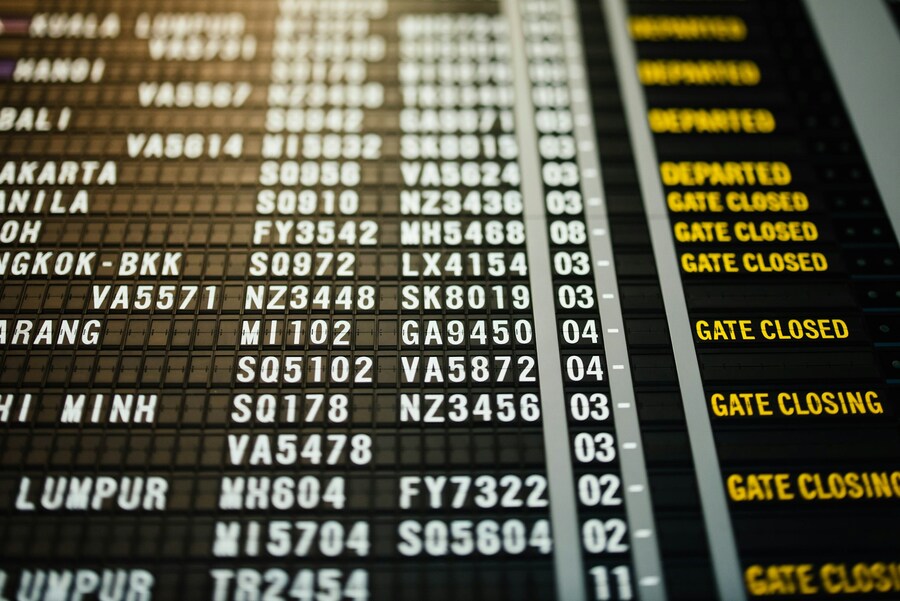
Modern travel is increasingly influenced by green initiatives and fuel-efficiency mandates. Airlines are more conscious than ever about the weight of the aircraft, as every extra kilogram translates to higher carbon emissions and fuel costs. This systemic pressure often trickles down to the gate, where agents are encouraged to be stricter with weight limits for carry-on items. Understanding this background helps you realize that a bag check isn't always personal; it's often a result of strict operational KPIs. By keeping your bag visually light and ensuring it fits perfectly within the sizer, you assist the airline in its efficiency goals while protecting your own travel interests.
Leveraging loyalty and fare class advantage
While it may seem obvious, the most robust defense against bag checks remains your status within the airline's ecosystem. Even low-level elite status often grants you immunity from the most aggressive bag-tagging sweeps. If you lack status, purchasing a "premium" or "priority" seat is often cheaper than the cost of a checked bag fee or the stress of losing your luggage. These fare classes usually include a guarantee of overhead space, which acts as a contractual shield against gate-agent discretion. For the frequent traveler, the investment in a slightly higher fare class pays dividends in the form of reduced anxiety and guaranteed cabin access.
Dealing with regional jet constraints
The "Gate-Agent Discretion" defense is most tested when flying on regional feeders or smaller aircraft. These planes often have tiny overhead compartments that cannot accommodate standard rollaboards, regardless of how well you've packed. In these instances, the defense shifts from preventing a check to optimizing a gate-check. Use a "valet" tag system whenever possible, which allows you to reclaim your bag on the jet bridge upon landing rather than at the carousel. To make this work, ensure your bag is clearly marked with a high-visibility identifier so the ground crew can prioritize its return.
The role of technology in personal logistics
As we move deeper into an integrated digital travel experience, using real-time apps to monitor aircraft swaps is essential. An eleventh-hour change from a wide-body jet to a smaller aircraft can instantly invalidate your carry-on strategy. By receiving alerts about equipment changes, you can proactively adjust your packing – perhaps moving essentials into a smaller "personal item" bag – before you even arrive at the airport. This proactive adaptation is the hallmark of the modern travel hacker.
Optimizing your pre-flight routine
The hours leading up to your arrival at the gate are just as important as the boarding process itself. A frantic, rushed traveler is more likely to make mistakes – forgetting to tuck in straps, carrying too many loose items, or failing to check in early. Early check-in often correlates with earlier boarding groups, which, as established, is your primary line of defense. Moreover, using the time in the lounge or the terminal to consolidate your belongings into two distinct pieces (one carry-on and one personal item) ensures you meet the standard airline "2-item" rule, preventing a discretionary check based on a "too many items" violation.
Airport infrastructure and the logistics of arrival
Successfully defending your carry-on space is only half the battle; the other half is ensuring the rest of your airport transit is seamless. One of the most overlooked aspects of travel stress is the transition from your vehicle to the terminal. If you are flustered by parking issues or long shuttle rides, your mental bandwidth for handling gate interactions is diminished. Many travelers are now finding that pre-booking their terminal-adjacent services is the key to maintaining a calm demeanor. For those flying out of major hubs, finding reliable EWR parking deals or securing EWR Airport parking ahead of time can eliminate the frantic search for a spot. This allows you to arrive at the gate refreshed and focused, which is a subtle but powerful component of the "discretion defense." When you aren't worried about your car or the clock, you can navigate the boarding queue with the composure of a seasoned professional.
The bottom line
Source: Marco López/Unsplash
Preventing a surprise bag check is an art form that requires a blend of physical preparation, psychological savvy, and technological awareness. The "gate-agent discretion" defense isn't about breaking the rules, but about understanding the criteria by which those rules are enforced and ensuring you remain on the favorable side of that line. By selecting the right gear, dressing strategically, and maintaining a professional rapport with airline staff, you can significantly increase the likelihood that your luggage stays with you. Travel in the modern age is a complex endeavor, but with the right mindset and a focus on the small details – from your parking arrangements to your boarding posture – you can reclaim a sense of control over your journey. Ultimately, the most successful travelers are those who anticipate the hurdles before they reach them, turning a potentially stressful boarding process into a seamless transition to the skies.


