

The landscape of modern travel has undergone a profound transformation, evolving from the era of paper tickets and traveler's checks to a digital-first environment where convenience is the primary currency. However, despite these technological leaps, one of the most persistent "hidden" costs for international travelers remains the foreign exchange (FX) fee. Whether it's the 3% surcharge on a credit card transaction or the predatory exchange rates found at airport kiosks, the friction of moving value across borders has long been an expensive necessity. In recent years, a new contender has emerged to challenge this status quo: stablecoins. These digital assets, pegged to the value of traditional fiat currencies like the U.S. dollar or the Euro, offer a way to bypass the traditional banking rails that often drain travel budgets. By utilizing blockchain technology, travelers can now settle payments for flights, hotels, and even local services with a level of transparency and cost-efficiency that was previously unimaginable.
So, how can stablecoins revolutionize your air travel budget?
 Source: Behnam Norouzi/Unsplash
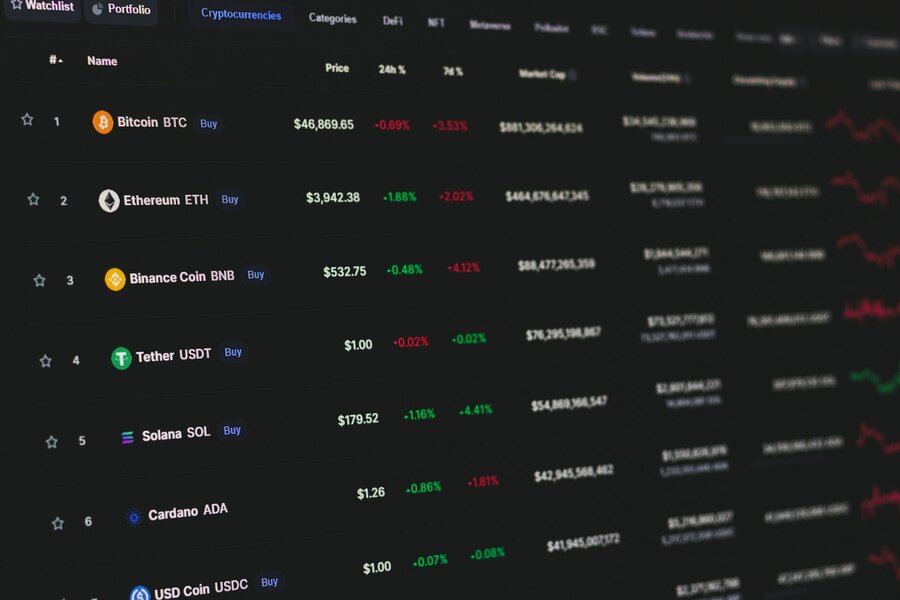
Stablecoins decouple value from banking restrictions, bypassing multi-layer processing fees. By using decentralized networks like USDC, travelers pay merchants directly with near-instant settlement and significantly lower transaction costs than traditional FX.
The death of the foreign transaction fee
The most immediate benefit of adopting a stablecoin-centric travel strategy is the elimination of the dreaded foreign transaction fee. Most travelers are familiar with the sinking feeling of checking their bank statement after a trip to find dozens of small $2 or $5 charges labeled as "International Transaction Fee." While some premium travel credit cards waive these costs, they often come with high annual fees that negate the savings for the casual flier. Stablecoins offer a democratic alternative. Because a stablecoin transaction occurs on a blockchain, the "location" of the sender and receiver is irrelevant to the protocol. Whether you are booking a flight from a boutique airline in Europe or paying for a guided tour in Southeast Asia, the fee you pay is the network gas fee, which, on modern layer-2 networks, often amounts to less than 10 cents.
Beyond the raw cost, there's the matter of exchange rate certainty. Traditional currency markets operate on a "spread" – the difference between the buy and sell price. When you use a credit card at a restaurant in London, the bank chooses the exchange rate, which is almost always less favorable than the mid-market rate you see on Google. By using stablecoins pegged to a major currency, you effectively lock in your purchasing power. If you hold 1,000 USDC, you know exactly how much "digital weight" you have. When a travel platform accepts stablecoins directly, they typically use a real-time oracle to calculate the price, giving you a fair market conversion without the hidden 2% to 5% markup common in the legacy financial system.
Streamlining the booking process
Efficiency is another area where stablecoins shine, particularly for the modern "digital nomad" or the frequent international flyer. Traditional bank transfers, especially those crossing borders via the SWIFT network, can take anywhere from three to five business days to clear. This delay is a nightmare for last-minute travel bookings where seat availability and hotel room prices can fluctuate by the hour. Stablecoins settle near-instantly. When you send a payment to a crypto-integrated travel agency, the transaction is verified by the network in moments, allowing the platform to issue your ticket immediately.
This speed also benefits the traveler in terms of refunds and disruptions. In the current aviation ecosystem, getting a refund for a canceled flight can be a bureaucratic odyssey, with funds taking weeks to appear back in a bank account. Emerging platforms are beginning to experiment with smart-contract-based insurance and refund mechanisms. If a flight is canceled, a smart contract can automatically trigger a stablecoin refund to the traveler's wallet the moment the airline's data feed confirms the cancellation. This removes the intermediary and puts the liquid capital back into the hands of the traveler so they can book an alternative route without waiting for a bank's "processing period."
Security and financial sovereignty on the road
Traveling with large amounts of cash is a security risk, and relying solely on physical plastic cards has its own set of vulnerabilities. Card skimming and data breaches at hotel check-in desks remain significant concerns. Stablecoins provide a layer of security through the nature of "push" payments. In a traditional credit card transaction, you provide your "pull" credentials (the card number, CVY, and expiry date) to the merchant, who then uses that information to pull funds from your account. If the merchant's database is compromised, your credentials are out in the wild.
In contrast, a stablecoin payment is a "push" transaction. You send the specific amount required for the service to the merchant's digital address. You never reveal your private keys or your total balance to the recipient. This architecture significantly reduces the risk of identity theft and unauthorized secondary charges. Moreover, if you lose your physical phone or hardware wallet, your funds aren't lost as long as you have your recovery phrase. You can simply restore your wallet on a new device and regain access to your travel funds, a process that's often faster than waiting for a bank to mail a replacement credit card to a foreign country.
Integrating traditional logistics with digital finance

While the focus is often on the digital aspects of travel, the physical realities of getting to and from the airport still require practical solutions. Even the most tech-savvy traveler needs to consider where they'll leave their vehicle and how they'll manage the transition from their driveway to the terminal. As the travel industry becomes more integrated, we are seeing a bridge between digital payment enthusiasts and traditional service providers. For those flying out of regional hubs, planning these logistics is key to maintaining the savings earned through crypto.
For instance, if your journey begins in Western Virginia, you might be looking for ways to keep your pre-flight costs as low as your transaction fees. Finding a reliable spot for your car is essential, and looking for ROA Airport parking through specialized platforms can help you secure better rates than simply showing up on the day of departure. Using online tools to find ROA parking deals ensures that you aren't overspending on the ground before you even get into the air. This holistic approach to travel budgeting – combining cutting-edge financial tools with smart traditional booking habits – is what separates the savvy traveler from the average tourist.
Navigating the challenges of crypto travel
It would be disingenuous to suggest that traveling exclusively on stablecoins is currently without its hurdles. The primary challenge remains the "last mile" of adoption. While major travel aggregators and several international airlines now accept direct crypto payments, many smaller local vendors – the street food stalls in Bangkok or the boutique guesthouses in the Andes – still operate on cash or local banking apps. For a traveler, this means a hybrid approach is often necessary. One effective strategy is to use stablecoins for the high-ticket items like flights and accommodation, and then use a crypto-linked debit card for daily expenses. These cards automatically convert your stablecoins into the local fiat currency at the point of sale, providing the convenience of a Visa or Mastercard while still allowing you to keep your primary savings in a digital format.
Another consideration is the regulatory environment. Different countries have varying stances on the legality and taxation of cryptocurrency. While stablecoins are generally viewed as a medium of exchange, some jurisdictions may treat the conversion of crypto to fiat as a taxable event. Travelers should be aware of the rules in both their home country and their destination to avoid any unexpected compliance issues. However, as global frameworks become more standardized, the friction associated with these regulations is expected to decrease, making the "crypto-voyage" a standard option for the general public.
The role of decentralized identity in air travel
Looking toward the near future, the integration of stablecoins is just the first step in a broader shift toward blockchain-based travel. We are already seeing the emergence of decentralized identity (DID) solutions that work alongside digital payments. Imagine a world where your passport, your vaccination records, and your stablecoin wallet are all linked to a secure, sovereign digital identity. When you check in for a flight, you could prove your identity and pay for an upgrade in a single encrypted interaction. This would not only speed up airport security but also provide a more personalized travel experience. Airlines could offer instant loyalty rewards in the form of stablecoins or branded tokens, which travelers could then spend immediately at airport duty-free shops or save for their next trip. This ecosystem creates a circular economy where value is retained within the travel community rather than being siphoned off by external financial intermediaries.
Choosing the right stablecoin for your trip
Not all stablecoins are created equal, and for a traveler, the choice of asset can impact both liquidity and safety. It's generally advisable to stick with highly liquid, transparently reserved coins. Assets like USDC (USD Coin) are frequently preferred by Western travelers due to their rigorous auditing and high level of acceptance among major travel platforms. USDT (Tether) remains the most widely used stablecoin globally, making it a strong choice for those traveling through Asia or South America where local peer-to-peer markets are more likely to support it.
The underlying blockchain also matters. Sending stablecoins over the Ethereum mainnet can sometimes result in high transaction fees during periods of congestion, which defeats the purpose of saving money. Savvy travelers look for platforms that support "faster" and "cheaper" chains like Polygon, Solana, or various Layer-2 solutions. These networks offer the same security as the larger blockchains but are optimized for high-volume, low-cost transactions, making them ideal for the fast-paced world of international air travel.
The bottom line
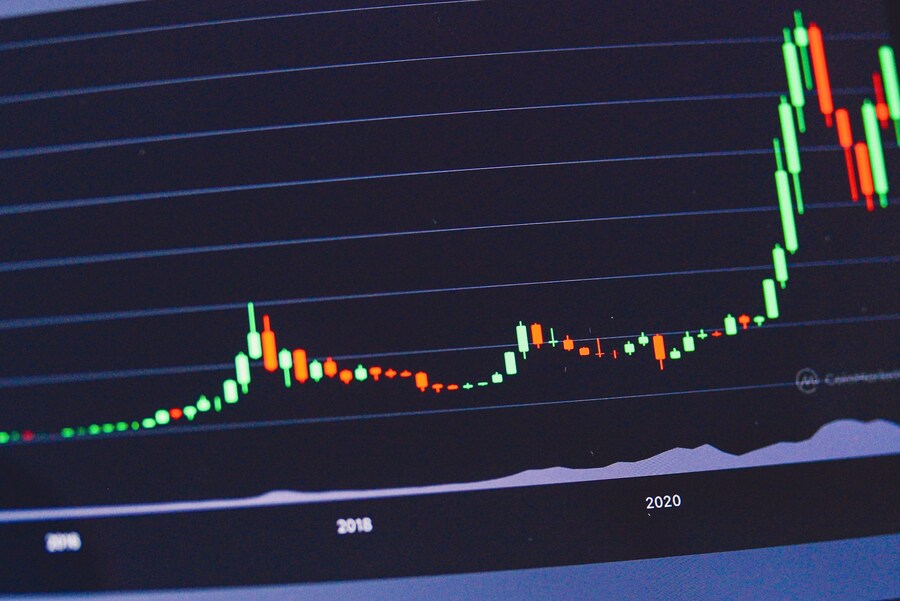
The transition toward stablecoins marks a fundamental shift in how we move value globally. By eliminating traditional middlemen, these digital assets empower travelers to reclaim their budgets through near-instant settlements, enhanced security, and the removal of exorbitant FX fees. While global adoption continues to evolve, the tools to minimize international costs are already accessible to any savvy flyer.
Integrating digital finance with traditional logistics – from booking flights to securing airport parking – allows for total spending optimization. The key is to remain adaptable and embrace the technologies redefining our borders. Ultimately, travel is defined by freedom, and adopting stablecoins extends that liberty to your wallet, ensuring your funds go further on every journey. May your flights be smooth, your fees be low, and your adventures be truly limitless!


