

The concept of air travel has undergone a radical transformation over the last decade, shifting from a luxury experience to a complex logistical puzzle that every traveler must solve. In this modern landscape, the primary objective for most passengers is no longer just reaching a destination safely, but doing so without depleting their life savings. The volatility of airfares is a phenomenon that creates a unique kind of anxiety; we have all experienced that sinking feeling when a flight price jumps by a hundred dollars in the time it takes to find a credit card. To combat this volatility, airlines and third-party booking platforms have introduced a variety of financial tools designed to give consumers a sense of control. Among the most debated of these tools is the "Hold Price" or "Price Freeze" feature. This mechanism allows a traveler to pay a small, non-refundable fee to lock in a specific fare for a set period, usually ranging from three to seven days. On the surface, it seems like a perfect safety net, a way to pause the chaotic fluctuations of the market while you coordinate vacation days or wait for a traveling companion to confirm their schedule. However, like any financial product offered by a multi-billion dollar industry, the hold feature is wrapped in layers of fine print and strategic pricing.
So, is the "hold price" feature truly a secret weapon for budget travelers?
 Source: Ruthie/Unsplash
Airlines use price holds to exploit your fear of fare hikes. You're essentially betting the fee against future increases; if prices stay flat or drop, the airline profits from your anxiety.
The mathematical reality of fare volatility
The effectiveness of a price hold depends entirely on the sophisticated algorithms used by airlines to manage their inventory. These systems, known as revenue management systems, adjust prices thousands of times a day based on historical data, real-time demand, and even local events. When you see a price hold option, it's because the airline's algorithm has determined that there's a high probability the fare will either stay the same or increase. If the system predicted a significant drop in price, it would be less likely to offer a hold, as that would discourage you from booking at the current, higher rate. Therefore, when you pay for a hold, you are betting against a computer that has access to more data than any human could possibly process. This doesn't mean the hold is never worth it, but it does mean the odds are mathematically stacked in favor of the house. To use this feature effectively, a traveler must have a baseline understanding of what constitutes a "good" price for their specific route. If the current fare is already at a historical low, locking it in makes sense. If the fare is at a mid-range point, you might be paying for a protection you don't actually require.
Strategic timing and the seven-day window
One of the most critical factors in the "hold vs. buy" debate is the timing of your purchase relative to your departure date. Generally, the most significant price swings occur within the 21-day window before a flight. If you are searching for flights three months in advance, the price hold feature is often a redundant expense. At that stage, fares tend to move in smaller increments, and the likelihood of a massive spike over a 48-hour period is relatively low. However, as you get closer to the departure date, the hold feature becomes a much more potent tool. For international long-haul flights, where a price jump can easily exceed 500 dollars, a 10-dollar hold fee is a negligible investment for the security it provides. It's also worth noting that many airlines have different tiers of hold options. Some might offer a "free" 24-hour hold as required by certain consumer protection laws, while others charge for extended periods. Distinguishing between these legal requirements and the optional paid services is the first step in becoming a sophisticated air traveler.
Navigating the hidden terms and exclusions
The devil is always in the details, and price holds are no exception. Often, the fee you pay to hold a price isn't credited toward the final cost of the ticket. It's a pure service fee, a sunk cost that you must accept regardless of whether you ultimately book the flight. Moreover, some holds only secure the fare, not the actual seat. In rare cases of overbooking or rapid inventory shifts, you might find that while your price was locked, the availability of the flight changed, leading to a complicated customer service battle. Another common pitfall involves the "fare class" of the held ticket. Airlines often restrict holds to certain types of tickets, usually excluding the most restrictive "basic economy" fares or the most flexible "full-fare" business classes. This means you might be paying to hold a mid-tier fare when a cheaper, non-holdable option is still available. Reading the terms of service – as tedious as it may be – is essential to ensure that your hold actually covers what you think it does.
Alternatives to the paid hold feature
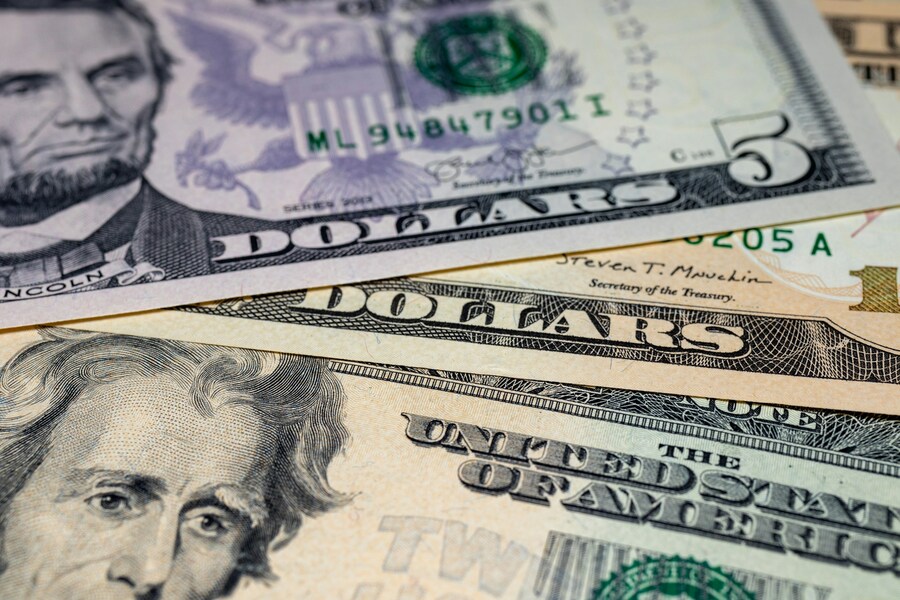
Before reaching for your wallet to pay a hold fee, it's wise to consider the alternatives that offer similar protection for free. The most prominent of these is the 24-hour refund rule. In many jurisdictions, airlines are required to allow passengers to cancel a booking within 24 hours for a full refund, provided the flight was booked at least a week in advance. This effectively acts as a free one-day price hold. You buy the ticket, lock in the price, and then have a full day to change your mind or coordinate with others. If you decide not to go, you simply cancel and get your money back. In addition, many high-end credit cards now offer travel price protection as a built-in benefit. These cards may reimburse you the difference if a fare drops after you purchase it or provide specific insurance against price spikes during the planning phase. Leveraging these existing tools can save you the cumulative cost of multiple hold fees over a year of traveling.
The role of third-party booking engines
It isn't just the airlines themselves offering price freezes; third-party travel agencies and aggregators have jumped on the trend with even more aggressive marketing. These platforms often use "price prediction" technology to advise you on whether to "buy now" or "wait." Some even offer their own independent price freeze products where they, rather than the airline, take on the financial risk. These can be particularly useful when booking multi-city itineraries involving different carriers, as the platform can lock in the total price of the journey. However, the same skepticism applies. These third parties are also looking to maximize their margins, and the fees for these services can sometimes be higher than those offered directly by the airline. If you choose to use a third-party hold, ensure you understand how the booking will be finalized. Sometimes, the third party will wait until the last possible second of your hold period to actually purchase the ticket from the airline, which can occasionally lead to issues if the inventory disappears in the interim.
Mastering the art of modern travel logistics
Beyond the specific mechanics of price holds, successful modern travel requires a holistic approach to the entire journey. This includes everything from how you get to the airport to how you manage your time in the terminal. Often, travelers focus so intensely on the cost of the flight that they neglect the ancillary expenses that can quietly double the cost of a trip. Ground transportation, baggage fees, and airport services are all areas where a little bit of foresight goes a long way. For those flying out of regional hubs, the logistical challenges can be even more pronounced. Planning your arrival at the airport is just as important as securing the right fare. For instance, if you are flying from Virginia, you might find that managing your vehicle's stay is a significant part of the budget. Utilizing specialized services for RIC Airport parking can help you find the best RIC parking deals, ensuring that the money you saved by perfectly timing your flight booking isn't immediately spent on expensive on-site garage fees. By integrating these local logistical solutions with your broader flight-booking strategy, you create a more seamless and cost-effective travel experience.
The psychology of the "good enough" fare
In the quest for the absolute lowest price, many travelers fall into the trap of "analysis paralysis." They spend hours monitoring prices, paying for holds, and checking multiple sites, only to save 20 dollars. It's important to define what a "good enough" fare is for your budget. Once a price hits that target, the most efficient move is often to simply book it and stop looking. The price hold feature is best used as a tool for high-stakes situations – such as a wedding, a strictly timed business meeting, or a once-in-a-lifetime international trip – where the risk of a price jump outweighs the cost of the fee. For routine domestic travel, the added layer of complexity and the non-refundable nature of the fee often make it a less attractive option. The goal of travel hacking should be to reduce stress, not add more variables to an already complicated equation.
The bottom line

Source: Annie Spratt/Unsplash
Ultimately, the "Hold Price" feature is neither a pure scam nor a universal lifesaver. It's a specialized financial tool that serves a specific purpose for a specific type of traveler. It excels in scenarios where coordination is required and the risk of a significant price increase is high. However, for the average traveler, it's often an unnecessary expense that relies more on the fear of missing out than on genuine financial benefit. To navigate the world of air travel in this era, one must be part mathematician and part strategist. This means knowing when to use a hold, when to rely on the 24-hour cancellation rule, and when to simply pull the trigger on a purchase. By understanding the underlying motivations of the airlines and the technical limitations of these features, you can move from being a passive consumer to an active participant in the travel market. The most successful travelers are those who view the booking process as a series of calculated risks, using every tool at their disposal – from price holds to pre-arranged airport parking – to ensure their journey is as efficient and affordable as possible. In the end, the best "hack" isn't a single feature or a secret website; it's the knowledge and discipline to make informed decisions in a marketplace designed to keep you guessing.


