

Modern travel has evolved into a high-stakes auction where seat prices are merely the opening bid. While passengers are used to fluctuating airfares, a subtle shift has moved into the cargo hold: dynamic baggage pricing. Airlines now treat every square inch of the aircraft as a commodity, adjusting luggage fees in real-time based on demand, aircraft weight, and terminal congestion. This strategy acts as a digital "crowd control," incentivizing off-peak travel while maximizing revenue. This travel guide explores the mechanics of these algorithmic shifts and provides essential hacks to help you reclaim control. Understanding these models is no longer just a way to save money – it's the key to navigating a travel landscape increasingly dictated by invisible, data-driven market forces.
So, how does dynamic baggage pricing impact your total travel budget?
 Source: Bryan Dijkhuizen/Unsplash
Airlines now use dynamic algorithms to price baggage based on real-time demand and peak hours. This shifts costs based on booking time and airport congestion to optimize operations.
The science of algorithmic ancillary fees
At the heart of this shift is the "ancillary revenue" model, which has become the lifeblood of many carriers. As base fares are driven lower by fierce competition, airlines must find other ways to maintain margins. Dynamic baggage pricing is the next logical step in this progression. These algorithms don't just look at the date; they look at the specific hour of your flight. If you are departing on a Monday morning – the primary window for high-value business travelers – you might find that checking a bag costs significantly more than it would for a midnight departure on a Wednesday. The algorithm recognizes that business travelers are often less price-sensitive and more likely to have their expenses covered by a corporation, allowing the airline to capture higher margins.
Moreover, these systems integrate with broader logistics data. For instance, if an airline knows that a specific hub is experiencing a shortage of ground handlers or a mechanical issue with a conveyor belt, it may temporarily spike baggage fees to discourage additional checked items that would further exacerbate the backlog. This is a form of digital "crowd control" that protects the airline's "on-time performance" metric, which is crucial for their brand reputation and regulatory standing. For the passenger, this means the "hidden" cost of a flight is no longer a fixed variable but a moving target that requires constant monitoring.
Strategic booking windows for luggage
To navigate this new reality, travelers must adopt a more proactive approach to their logistics. One of the most effective air travel hacks is the "pre-emptive purchase." Most airlines now offer a tiered pricing structure where paying for your bag at the time of ticket purchase is the cheapest option, with prices escalating as you move closer to the departure gate. However, with dynamic pricing, even the "early" price can fluctuate. Data suggests that booking baggage during the late-night hours or mid-week can sometimes yield lower rates, mirroring the trends seen in airfare booking.
The psychological aspect of this pricing strategy is also noteworthy. By presenting baggage fees as a fluctuating commodity, airlines create a sense of urgency. A traveler might see a price and worry it'll increase tomorrow, prompting an immediate purchase. Conversely, those who wait until they arrive at the kiosk are often met with "peak-hour surcharges" that can be double the initial offering. This "convenience tax" is designed to punish lack of planning, ensuring that the most disorganized passengers contribute the most to the airline's bottom line.
Weight distribution and fuel hedging
Another factor driving these price changes is the literal cost of fuel. Every extra pound of weight on an aircraft requires more fuel to transport, and fuel prices are themselves highly volatile. Airlines use dynamic baggage pricing as a localized hedge against these costs. On longer transcontinental or international routes, where weight-to-fuel ratios are more critical, the fluctuations in baggage pricing can be even more pronounced. If fuel prices spike or if a flight is expected to encounter heavy headwinds requiring extra reserves, the airline might nudge baggage fees upward to offset the anticipated increase in operating costs.
This also ties into the concept of "load factor." An aircraft that's nearly full of passengers and freight has less margin for heavy luggage. In these scenarios, the dynamic pricing model will automatically increase the cost of checked bags to protect the remaining weight capacity for high-priority commercial cargo, which often pays a higher rate per pound than a passenger's suitcase. Understanding that your bag is competing for space with industrial equipment, medical supplies, and international mail helps clarify why the price you pay feels so disconnected from the actual service of moving a suitcase from point A to point B.
The role of loyalty programs and digital wallets
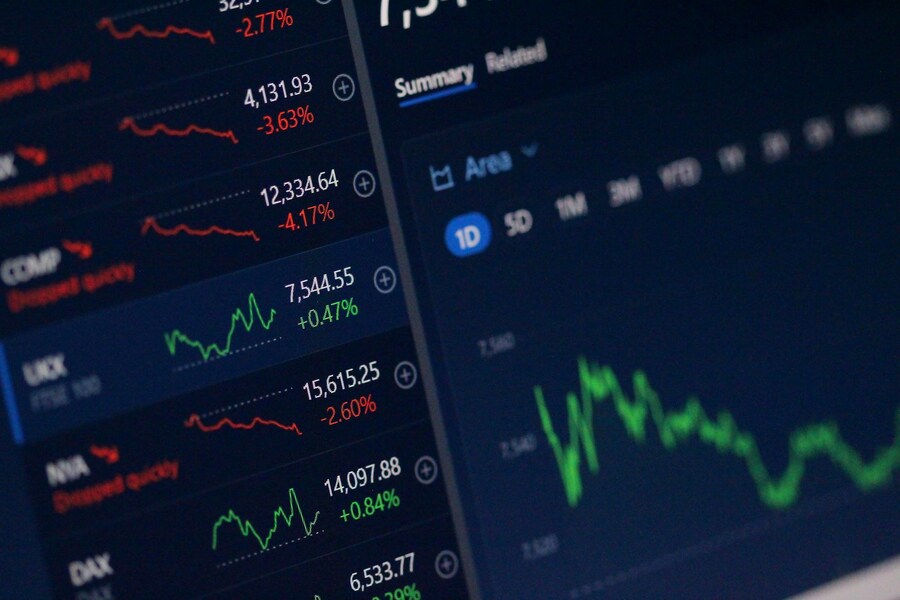
While the casual traveler may feel the brunt of these price hikes, frequent flyers often find refuge in loyalty programs. One of the most enduring hacks for avoiding dynamic fees is maintaining status with a specific carrier or utilizing a branded credit card. Most airline-affiliated credit cards still offer at least one free checked bag as a core benefit, effectively "grandfathering" the cardholder into a static pricing model. This creates a two-tiered system where the "unattached" traveler subsidizes the benefits of the loyal customer.
In addition, we are seeing the rise of digital travel wallets and subscription models. Some forward-thinking carriers are experimenting with an "annual baggage pass," allowing passengers to pay a flat yearly fee for a set number of bags, regardless of when they fly. For the traveler, this offers the return of predictability. For the airline, it provides a guaranteed upfront cash flow and secures customer loyalty in a market where passengers are increasingly willing to jump ship for a lower base fare.
Navigating the airport ecosystem efficiently
As we consider the total cost of a journey, it's essential to look at the entire ecosystem, starting from the moment you leave your front door. The journey begins long before you reach the check-in counter, and ground logistics are just as prone to peak-hour pressures as the flights themselves. Travelers often focus so much on the flight and the baggage that they overlook the costs associated with getting to the terminal. Smart planning involves looking for bundled deals that cover both the flight experience and the necessary ground services.
Efficiency on the ground often dictates the stress levels of the entire trip. If you are flying out of a regional hub, you might find that pre-booking your ground services can save as much money as snagging a low baggage rate. For instance, travelers flying out of the Norfolk area can find significant savings by looking into ORF parking deals. Securing your spot through specialized platforms for ORF Airport parking ensures that you aren't hit with premium drive-up rates during those same peak hours that drive up your baggage costs. By locking in these rates early, you create a buffer in your travel budget that can absorb the shock of an unexpected airline fee.
The evolution of the "carry-on" strategy
With checked bag prices trending upward, the "one-bag" or "carry-on only" philosophy has transformed from a niche hobby for backpackers into a mainstream financial strategy. However, airlines are wise to this shift. Many low-cost carriers have introduced "basic economy" fares that don't even include overhead bin space, charging a dynamic fee for carry-on bags as well. This has led to a technological arms race in luggage design, with manufacturers creating bags that maximize every millimeter of the "personal item" dimensions.
The hack here is to understand the specific dimensions and weight limits of the aircraft you are flying. A bag that fits easily in the overhead bin of a Boeing 737 might be forced into the hold on a smaller regional jet. If you are forced to gate-check a bag on a regional flight, you are often at the mercy of the gate agent's discretion regarding fees. To avoid this, savvy travelers are using under-seat bags that qualify as personal items but are designed with the organizational capacity of a traditional carry-on. By keeping your luggage within your personal control, you bypass the dynamic pricing algorithms entirely.
Future trends: AI and biometric bag drops
Looking forward, the integration of artificial intelligence will only make baggage pricing more granular. We can expect a future where your baggage fee is calculated not just by weight and time, but by your historical behavior. If an AI determines that you are a "last-minute packer" who always checks a bag regardless of price, it may adjust the offer accordingly. On the flip side, we'll see more biometric bag drops where facial recognition speeds up the process, potentially offering "fast-track" baggage pricing for those willing to pay a premium for a shorter wait time at the terminal.
This move toward automation is intended to reduce the human labor costs that contribute to peak-hour surcharges. As robots take over the sorting and loading processes, the "peak hour" might eventually become less of a factor, but until that infrastructure is fully realized, the human element remains the most expensive part of the chain. Staying informed about these technological shifts allows you to adapt your packing and booking habits before the changes become the industry standard.
The bottom line
Source: Andrew D/Unsplash
Dynamic travel costs now favor the informed over the unprepared. By understanding operational pressures like airport congestion and fuel costs, you can make strategic decisions that protect your wallet. Success lies in viewing your journey as interlocking logistical choices – from booking flights to securing airport parking. Stay flexible, leverage loyalty programs, and master the art of carry-on travel to outmaneuver the algorithms. Safe travels and blue skies on your next adventure!


