

The modern traveler often views the luxury of air travel as an unattainable peak, something reserved for the ultra-wealthy or the business elite who possess corporate credit cards with bottomless limits. We gaze longingly at the curtain separating the cramped quarters of economy from the spacious, champagne-filled world of first class, convinced that such experiences are beyond our financial reach. However, the reality of contemporary travel is shifting. The digital age has introduced a secondary economy that allows savvy individuals to bridge the gap between budget and luxury without dipping into their primary savings. This strategy revolves around the concept of a "resale fund," a dedicated financial pool generated entirely by liquidating underutilized personal assets – specifically, the fashion items gathering dust in our closets.
By treating your wardrobe as a rotating investment rather than a static collection of fabric, you can effectively subsidize the most expensive parts of your journey. This approach isn't merely about "tidying up" or participating in a seasonal decluttering phase; it's a tactical financial maneuver designed to maximize the value of what you already own to unlock better experiences in the sky. The transition from a middle seat in the back row to a lie-flat bed in the front cabin becomes a matter of inventory management. When you realize that three pairs of designer sneakers or a handful of vintage handbags could equate to a transcontinental upgrade, the psychology of travel spending changes completely. This travel guide explores how to master the art of the resale fund, ensuring your next flight is as comfortable as it's clever.
So, how can you transform your closet into a luxury flight ticket?
 Source: Kelsey Knight/Unsplash
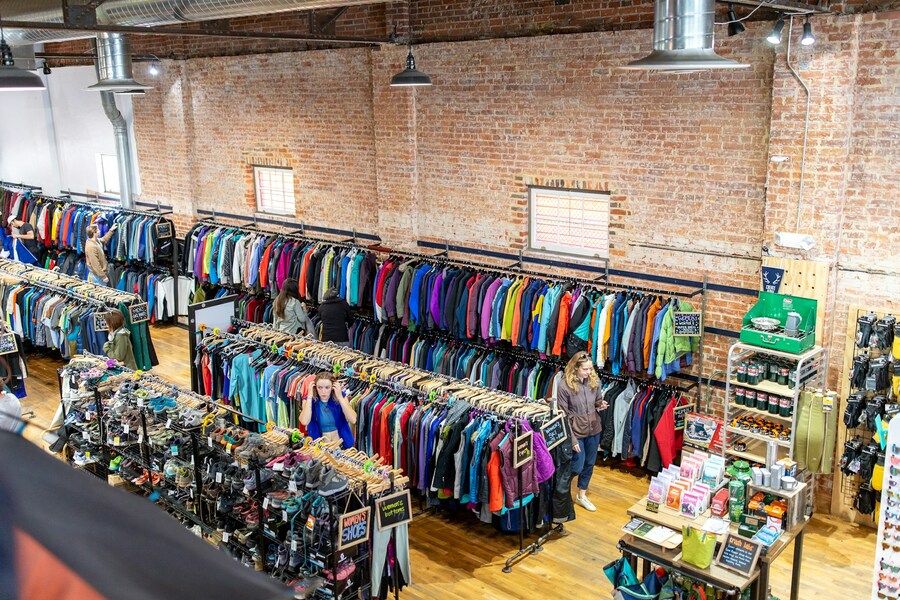
The foundation of a successful resale fund lies in recognizing the hidden liquidity within your home. Most people wear only a small fraction of their wardrobe regularly, leaving a significant amount of capital trapped in hanging garments and boxed accessories. To begin this transformation, you must adopt a ruthless mindset regarding your possessions. Every item should be evaluated not just for its sentimental value, but for its market demand. High-end labels, limited-edition collaborations, and even high-quality vintage pieces maintain a robust resale value on various digital platforms. By systematically identifying these items and listing them for sale, you initiate a cash flow that's strictly earmarked for travel enhancements.
This process requires a deep dive into the current secondary market trends. Platforms have evolved far beyond the chaotic bidding wars of the early internet. Today, specialized marketplaces allow for targeted selling based on brand prestige, ensuring that your items reach the right audience at the right price point. The goal is to accumulate enough capital to cover the difference between a standard economy ticket and a premium offering. Often, this "gap" is smaller than travelers realize, especially when using resale profits to purchase miles or bid on last-minute upgrades. The wardrobe becomes your personal bank, and the airport becomes the place where you withdraw those dividends in the form of legroom and priority service.
Mastering the art of strategic reselling
To maximize the output of your resale fund, you must understand the timing and presentation of your listings. Selling a heavy winter coat in the middle of a summer heatwave will rarely yield the high returns necessary for a flight upgrade. Instead, you should align your sales with the seasons or current fashion cycles. Presentation is equally vital; high-resolution photography and detailed descriptions that highlight the condition and authenticity of the item will significantly increase the final sale price. Remember, you are competing with professional resellers, so your listings must look the part.
Moreover, diversification across platforms can help move inventory faster. Some apps are better for fast-fashion turnovers, while others are better suited for luxury goods where authentication is a priority. By spreading your inventory strategically, you ensure a steady stream of income. This income should be moved immediately into a separate high-yield savings account or a dedicated digital wallet. This separation is crucial because it prevents the resale profits from being absorbed by daily living expenses like groceries or utility bills. When the time comes to book your flight, that "hidden" pot of money is ready and waiting to elevate your travel experience.
Leveraging the psychology of flight upgrades
Once the capital is secured, the next challenge is spending it wisely. Upgrading a flight is an art form that requires patience and a bit of technical knowledge. Airlines frequently offer discounted upgrades in the weeks leading up to a flight or even at the check-in counter on the day of departure. Because you are using "found money" from your wardrobe sales, you can afford to be more aggressive with your bidding or more spontaneous with your purchases. This psychological freedom is perhaps the greatest benefit of the resale fund; you aren't "spending" your hard-earned salary, but rather trading physical goods for an experiential upgrade.
It's also worth monitoring fare classes that allow for easier upgrades using a combination of cash and miles. Often, the most efficient use of your resale fund is to buy a premium economy ticket and then use a small portion of your profits to bridge the gap to business class. This tiered approach ensures you are always getting the most value for every dollar generated by your closet. In addition, subscribing to flight deal alerts can help you find "mistake fares" or promotional periods where the cost of a luxury seat drops significantly, making your resale fund go even further.
Source: Jimmy Funkhouser/Unsplash
Advanced inventory management for sustained travel
To maintain a long-term resale fund, one must view fashion through the lens of a collector or a trader. This involves a concept often called "wear and flip," where items are purchased with their eventual resale value already in mind. When you buy a piece of high-end knitwear or a specific brand of luggage, you are essentially leasing it. If the item is well-maintained, it can often be sold a year later for 60 to 70% of its original retail price. This continuous cycle ensures that your travel fund is never truly empty. It turns your closet into a revolving door of style that pays for your passport stamps.
Successful travelers who use this method often keep meticulous records of their "closet capital." They know exactly which brands are currently trending and which are losing steam. By selling a brand at its peak popularity, you maximize the "upgrade units" earned per item. It's a sophisticated game of arbitrage where the prize isn't more clothes, but more of the world. This disciplined approach to personal assets transforms a standard consumer habit into a strategic advantage, allowing you to bypass the traditional financial barriers of the aviation industry and enjoy the fruits of your organizational labor in the clouds.
Optimizing the transit experience beyond the cabin
While the seat itself is the primary focus, the resale fund can also enhance the often-stressful periods spent on the ground. The transition from home to the aircraft is a critical phase of travel that many ignore until they are caught in the middle of it. Investing in airport lounge access, for example, provides a sanctuary from the terminal's chaos, offering complimentary meals, drinks, and high-speed internet. When you have sold off enough inventory to cover these costs, the entire journey feels seamless and curated.
Moreover, logistical efficiency contributes to a high-end travel feel. This includes everything from expedited security clearance to smart choices regarding how you reach the terminal. If you are departing from a major hub, the way you handle your vehicle can set the tone for the entire trip. For those flying out of the Utah area, finding reliable and cost-effective SLC parking deals can save a significant amount of money that would otherwise be wasted on exorbitant on-site fees. By securing affordable SLC Airport parking through reputable third-party providers, you keep more of your resale fund for the flight itself rather than spending it on a concrete slab in a garage. These small savings add up, allowing for that extra cocktail in the lounge or a better seat selection.
Conclusion

The "resale" fund represents a paradigm shift in how we approach the cost of luxury. By viewing our belongings as a fluid resource rather than permanent fixtures, we unlock the ability to experience the world in a way that was previously reserved for a different tax bracket. It requires discipline to sort through a wardrobe, the effort to market and sell items, and the strategic patience to spend the proceeds at the right moment. However, the reward – stepping onto a plane and turning left instead of right – is a powerful motivator that makes the process feel less like a chore and more like a game of high-stakes optimization. Every successfully sold item becomes a building block for a journey that nourishes the soul while keeping your primary bank account completely untouched and secure.
Ultimately, travel is about the memories we create and the comfort we afford ourselves during the journey. If a few unworn dresses or a pair of boots from three seasons ago can be the catalyst for a more restful, sophisticated flight, then the trade-off is undeniably worth it. The secondary market is thriving, and the sky is quite literally the limit for those willing to participate. As you look at your closet tomorrow morning, don't just see clothes; see your next business class ticket to Paris, your lounge access in Tokyo, or your stress-free transit in Salt Lake City. The value is already there – you just have to unlock it. May your future journeys be filled with comfort, wonder, and the thrill of new horizons. Safe travels and blue skies to you!


