

The golden age of travel was once defined by white-glove service, expansive legroom, and multi-course meals served on real china, all included in a single, albeit exorbitant, ticket price. For decades, the industry moved away from this model, pivoting toward a "one size fits all" economy class that often left passengers feeling like cargo rather than guests. However, a silent revolution has taken place in the skies. We have entered an era where luxury is no longer defined by the thickness of a plush carpet or the brand of champagne in the lounge, but by the power of choice. True sophistication in modern air travel lies in the ability to deconstruct the traditional travel bundle, stripping away the components you don't value while hyper-investing in those that transform your journey.
This shift toward 'à la carte' travel isn't merely about saving money, though that's a delightful byproduct. It's about reclaiming agency in an ecosystem that has long relied on passenger passivity. In this new landscape, the savvy traveler functions more like an architect than a consumer. They understand that a flight isn't a static product but a modular experience. By mastering the nuances of booking cycles, technological integration, and tactical logistical choices, you can curate an experience that feels like a private jet excursion on a commercial budget. The goal is to avoid the "bundle trap" – paying for premium features you won't use – and instead allocating those funds toward specific, high-impact upgrades that matter most to your personal comfort and schedule.
So, how can you engineer a premium flight experience using modular strategies?
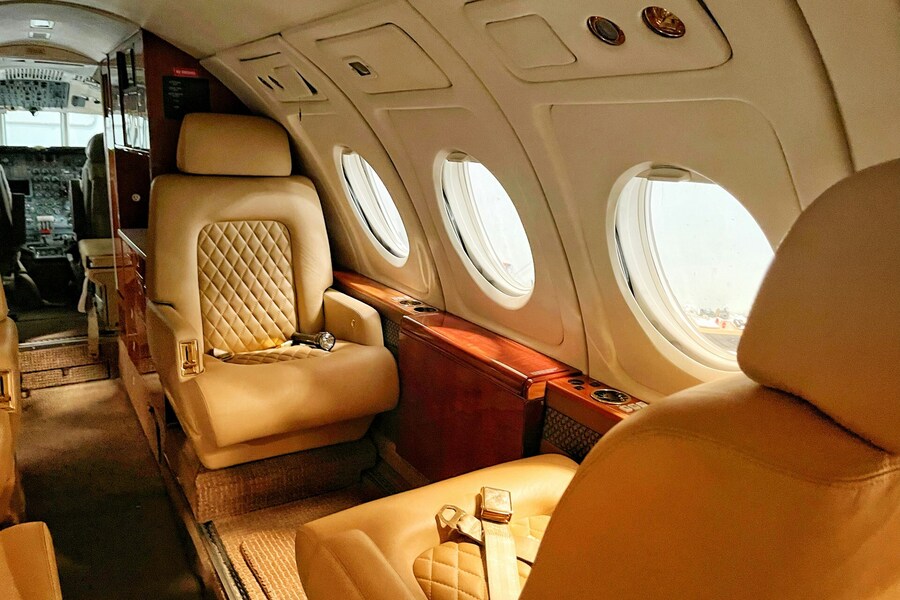 Source: Yaroslav Muzychenko/Unsplash
The first step in mastering the modular travel approach is rethinking the booking phase. The old wisdom of booking exactly six weeks in advance or on a Tuesday afternoon has largely been rendered obsolete by sophisticated neural-network pricing algorithms. Today, the most effective "hack" for securing low-cost base fares is the use of flexible scheduling tools that prioritize destination over dates or vice versa. By utilizing "anywhere" search functions and monitoring price volatility through predictive analytics, travelers can secure the foundational element of their trip – the seat – at its lowest possible market value. This creates a financial surplus that serves as the "upgrade fund."
Once the base fare is secured, the process of architectural layering begins. Instead of purchasing a standard "Premium Economy" ticket, which often includes features you might not need – like a specific meal or extra checked bags – you can selectively add comfort. For many, the most critical factor is physical space. Modern seating layouts are often tight, but through the strategic use of seat maps, one can often find "extra space" seats at the back of the cabin or near exit rows for a fraction of the cost of a class upgrade. This is the essence of 'à la carte' luxury: recognizing that four extra inches of legroom can be purchased independently of an expensive meal service.
Leveraging digital ecosystems for seamless transit
In the current travel climate, your smartphone is more than a communication device; it's a remote control for the airport environment. The most sophisticated travelers no longer wait in lines. They utilize biometric integration and pre-clearance programs to bypass the friction of the terminal. However, the real 'à la carte' secret lies in third-party lounge access and concierge apps. Rather than loyalty to a single airline, which forces you into their specific (and often crowded) hubs, a modular traveler uses independent lounge memberships or one-day passes. This allows you to choose the highest-rated lounge in any given terminal, regardless of which airline's logo is on your boarding pass.
Moreover, digital tools now allow for the "outsourcing" of baggage. One of the most significant stressors in air travel is the management of luggage – checking bags, waiting at carousels, and the risk of loss. A growing trend among luxury-seekers is the use of door-to-door luggage shipping services. While this might seem like an added expense, when compared to the fees for oversized baggage and the value of your time and sanity, it becomes a logical component of a bespoke trip. It allows you to move through the airport with nothing but a small personal item, effectively simulating the experience of a VIP traveler who has staff handling their logistics.
The art of the tactical upgrade and cabin optimization
Optimization inside the cabin requires a shift in mindset from "passenger" to "curator." If you have saved hundreds of dollars by booking a budget-friendly base fare, you should reinvest a small portion of that into your personal environment. High-fidelity noise-canceling technology, ergonomic travel pillows that actually provide cervical support, and curated in-flight nutrition are essential. The standard airline meal, even in premium cabins, often leaves much to be desired. By bringing your own gourmet provisions, you ensure that your dining experience meets your personal standards while avoiding the high sodium content typically found in processed airline food.
Another overlooked aspect of the 'à la carte' strategy is the "bid for upgrade" system. Many airlines now allow passengers to place a monetary bid on unsold business class seats in the days leading up to a flight. This is a game of probability and timing. By monitoring the seat map and understanding load factors, a traveler can often secure a lie-flat bed for a third of its retail price. This is the ultimate expression of the new luxury: it isn't about the status of the ticket, but the intelligence of the acquisition. It turns the flight into a value-driven victory rather than a passive expense.
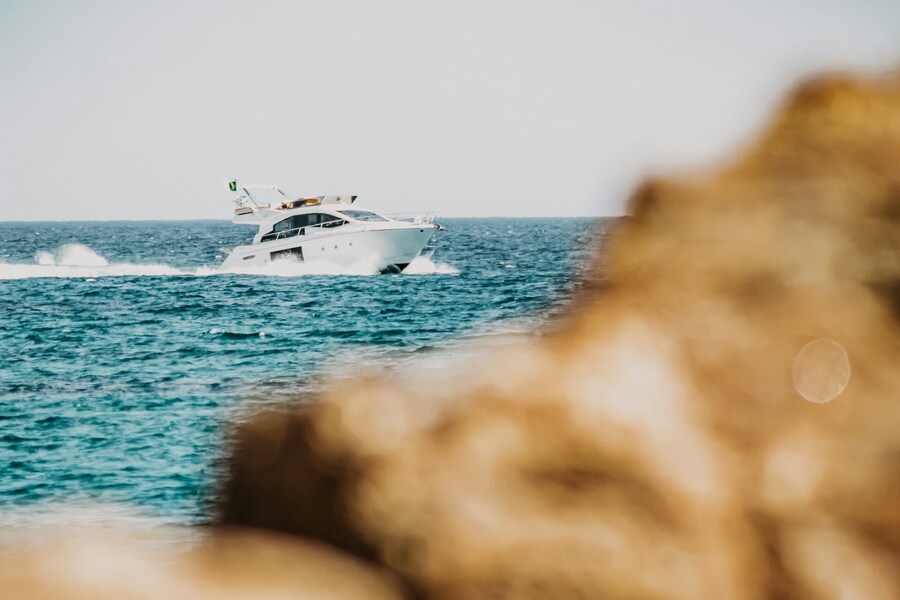
Source: Frames For Your Heart/Unsplash
Navigating the ground game and terminal logistics
The experience of a trip begins long before you reach the gate and continues long after you land. This is where many travelers lose their momentum by settling for standard, high-stress transportation and parking options. The modular approach dictates that every segment of the journey should be optimized for efficiency and cost-effectiveness. On the ground, this means looking beyond the official airport signage and investigating specialized service providers who offer a more tailored experience.
When you consider the logistical tail of a trip, parking is often the most neglected variable. If you are flying out of a major hub, the convenience of the journey is frequently dictated by how easily you can transition from your vehicle to the terminal. For those traveling through the southern United States, particularly via William P. Hobby Airport (HOU), there are ways to bypass the congestion of official lots. Finding the best HOU parking deals allows you to secure a spot that offers both proximity and security without the premium price tag of on-site terminal parking. By utilizing a dedicated platform for HOU Airport parking, you can compare different providers, read recent reviews, and ensure that your vehicle is handled by professionals while you focus on the journey ahead. This type of micro-optimization ensures that the "luxury" feeling isn't interrupted by a chaotic search for a parking spot at the last minute.
Psychological mastery of the modern terminal
Beyond the technical and financial hacks, there's a psychological component to the new luxury. The terminal environment is designed to induce a sense of mild urgency and consumerist distraction. The 'à la carte' traveler resists this by creating a "personal bubble" of calm. This involves more than just wearing headphones; it involves a disciplined approach to time management. Arriving significantly earlier than necessary – not out of fear of missing the flight, but to utilize the airport as a productive or relaxing workspace – changes the power dynamic. Instead of being a victim of the airport's schedule, you are a guest utilizing its infrastructure.
This mindset also extends to how you interact with airline staff. In a world of automated kiosks and AI chatbots, the "human hack" remains incredibly powerful. Politeness, clarity, and a deep understanding of your rights as a passenger (such as those outlined in modern aviation consumer protection laws) can lead to spontaneous upgrades or fee waivers that no algorithm would offer. When a flight is delayed or canceled, the modular traveler doesn't join the long queue at the service desk; they are already on the phone with a dedicated line or using a specialized app to rebook themselves before the crowd even realizes there's a problem. This agility is the truest form of luxury in the twenty-first century.
The bottom line

The transition from bundled travel to an 'à la carte' model represents a fundamental democratization of the premium experience. It proves that luxury isn't a fixed commodity reserved for the elite, but a series of deliberate choices available to anyone willing to put in the effort to deconstruct their journey. By viewing every aspect of travel – from the initial search for a fare to the final selection of a parking spot – as a modular component, you gain the ability to build a trip that reflects your specific priorities. You no longer have to pay for the "image" of luxury; you simply pay for the elements of it that actually enhance your life.
Ultimately, the most successful travelers are those who realize that the "bundle" was never designed for their benefit – it was designed for the airline's convenience. Breaking that bundle is an act of independence. It allows you to spend your resources on what truly matters: a comfortable seat, a stress-free transition through the terminal, and the peace of mind that comes from knowing you've engineered the best possible version of your trip. As the landscape of aviation continues to evolve, the tools at our disposal will only become more powerful. The future of travel belongs to the architect, the strategist, and the individual who knows that the best way to fly is exactly the way they choose.


