

In the ever-evolving landscape of modern aviation, the
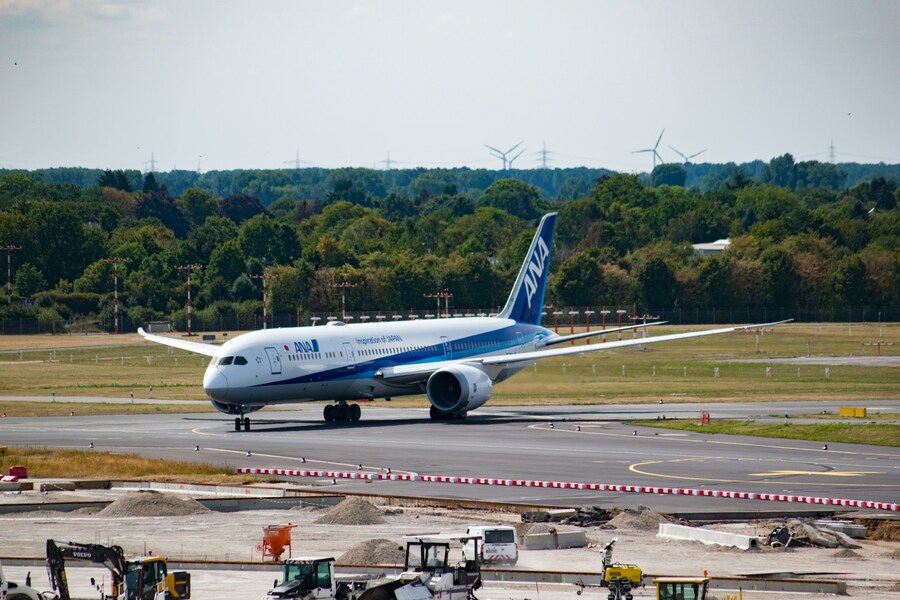
So, how can passengers reclaim control of the electronic shades?
 Source: Tim Dennert/Unsplash
The frustration of a "locked" window is a relatively new phenomenon in the history of air travel. On older aircraft, the battle for light was a physical one, often settled by a polite request to a neighbor. On the Dreamliner, the battle is digital. The cabin crew utilizes a master Flight Attendant Panel (FAP) to set the mood of the cabin, which often involves dimming the entire "birdcage" to encourage sleep and minimize glare on seatback screens. While this creates a uniform environment, it can be frustrating for those trying to stay awake to beat jet lag or those who simply enjoy the therapeutic nature of the view. To truly master the sky, one must understand the nuances of this electronic system and the various "hacks" that can return a sense of agency to the passenger seat.
Understanding the timing of the lockout
The most effective way to maintain control over your window is to understand the rhythm of the crew's operations. The electronic dimming system isn't instantaneous; it relies on an electrochromic gel sandwiched between layers of glass that responds to varying levels of electric current. When a flight attendant initiates a cabin-wide dimming command, the transition takes several minutes to reach its maximum state.
Seasoned travelers have discovered that the system often has a "last touch" priority if the crew hasn't engaged a hard lock. If you notice your window beginning to darken during the initial descent into "sleep mode," immediately tapping your personal control button to the lightest setting can sometimes override the general command. In many software configurations, an individual input at the seat level during the transition phase signals to the system that the passenger has a specific preference, effectively exempting that window from the blanket command. This is not a guaranteed fix, as a "hard lock" from the FAP will eventually disable your local buttons entirely, but it's the first line of defense for light-seekers.
The power of professional communication
While digital workarounds are enticing, the most reliable "hack" in the modern era of travel is the art of the polite request. It's a common misconception that flight attendants lock windows out of a desire for control; usually, they are following airline SOPs (Standard Operating Procedures) designed to ensure the majority of the cabin can rest. However, most airlines have internal memos suggesting that attendants should honor individual requests for light, provided it doesn't significantly disturb others.
If your window is locked, wait for a quiet moment when the crew isn't performing a meal service and press your call button or walk to the galley. Explain that you are working on adjusting your internal clock to the destination timezone and would appreciate having your window set to a level three or four – which allows for a view without flooding the cabin with blinding white light. Most crew members are happy to unlock a specific row or seat if the passenger demonstrates awareness of the cabin environment. Frame your request around "circadian rhythm management," as this aligns with the health-centric marketing of the Dreamliner itself.
Strategic seat selection and exit row advantages
Not all windows on the 787 are created equal. Due to safety regulations, the windows located on the exit doors often operate on a slightly different logic than the standard passenger windows. Because flight attendants must be able to see out of the door windows to assess conditions during an emergency, these specific "portholes" are frequently left at a higher transparency or are the last to be dimmed.
Moreover, the physical layout of the aircraft means that seats located directly over the wing – while perhaps offering a less panoramic view of the ground – benefit from the wing's massive surface area acting as a natural light shield. Even if the crew dims the window to its darkest blue setting, the lack of direct solar glare against the wing makes the view through the tint much clearer than it would be in the "infinite" sky of the forward or aft sections. If you are an enthusiast who wants to see the flaps and ailerons in motion, choosing a seat in the mid-cabin can mitigate the frustration of a dimmed window.
Environmental factors and cabin temperature

It's important to remember why these systems exist beyond mere passenger comfort. In 2026, airlines are under more pressure than ever to reduce their carbon footprint. The electronic shades on the 787 play a significant role in thermal management. In high-altitude flight, the solar radiation hitting the fuselage is intense. By dimming the windows, the aircraft reduces the heat load on the cabin, which in turn reduces the energy required by the Environmental Control System (ECS) to keep the plane cool.
If you find yourself in a heated debate with a crew member over a window shade, keep in mind that they may be managing a specific temperature zone that's struggling to stay cool. In these instances, a compromise is the best approach. Ask if you can have the window clear for 10 minutes to take photos, with the promise to return it to a dimmed state afterward. This "temporary access" strategy is rarely denied and builds a rapport with the crew that can lead to better service throughout the remainder of the long-haul journey.
Supplemental hacks for the darkened cabin
If you are stuck with a dark blue window and the crew is unwilling to budge, you can still optimize your viewing experience. The "blue tint" of a dimmed Dreamliner window acts as a natural polarising filter. If you are trying to take photographs, place your lens directly against the glass and use a "lens hood" or even a dark jacket to wrap around the camera to prevent reflections from the internal cabin lights.
Interestingly, some passengers have found that wearing high-quality polarized sunglasses while looking through a dimmed 787 window can actually "cancel out" some of the hazy blue effect, making the horizon lines sharper. It sounds counterintuitive to wear sunglasses to see through a dark window, but the physics of light interference sometimes work in your favor. In addition, always ensure your own screen brightness is turned down; the darker your immediate surroundings, the more your pupils will dilate, allowing you to see more detail through the electronically dimmed glass.
Beyond the window: mastering the ground game
Of course, the stress of air travel doesn't begin and end at 35,000 feet. A truly successful journey requires a "holistic" approach that starts long before you board the Dreamliner. This includes everything from how you pack to how you navigate the logistics of the airport itself. For instance, the transition from your car to the terminal is often the most frantic part of the day.
For travelers flying out of the Southwest, specifically through El Paso, managing the start of your trip is key to maintaining a "hacker" mindset. Finding reliable ELP Airport parking is just as essential as knowing how to override a window shade. By securing your spot in advance and looking for the latest ELP parking deals, you remove a significant layer of travel anxiety. This allows you to arrive at the gate with the mental clarity needed to negotiate for that extra legroom or a window unlock. Smart travelers know that every minute saved on the ground is a minute of relaxation earned in the air.
The future of in-flight transparency
As we look toward the future of aviation, it's likely that the "locked window" controversy will be solved by better software. Next-generation 787s and the upcoming variants of other wide-body jets are testing "smart zoning" technology. This would allow passengers to opt-in to "Observation Mode" via their seatback screens or personal devices, which would signal the crew's panel to leave specific windows at a user-defined transparency level while the rest of the cabin remains dark. Until that technology becomes the global standard, however, the combination of timing, communication, and strategic seating remains the traveler's best toolkit.
Air travel remains one of the few experiences where we voluntarily hand over control of our environment to others. Reclaiming that control – even in the small form of a window's tint – restores a sense of wonder to the journey. Whether you are a photographer chasing the perfect shot of the aurora borealis or a tired traveler just wanting to see the earth below, understanding the "ghost in the machine" of the Dreamliner's windows ensures that you are never truly left in the dark.
Conclusion
 Source: Maria Orlova/Unsplash
The Boeing 787 Dreamliner's electronic shades are a marvel of modern tech, but they require a bit of savvy to navigate. By understanding the system's transition periods, communicating effectively with the cabin crew, and choosing your seat with intent, you can ensure that your view of the world remains unobstructed. Travel is inherently a series of negotiations, and being prepared with both digital hacks and interpersonal skills is the mark of a true professional traveler. From the moment you find your parking spot at ELP to the moment the wheels touch down at your destination, every choice you make contributes to a more seamless, enjoyable experience. Keep your eyes on the horizon, your camera ready, and your "hacker" spirit alive – the sky has never looked better!


