

Modern aviation has pivoted toward an efficiency model where long-haul narrowbody aircraft, like the
So, is the modern single-aisle business class actually a downgrade?
 Source: Christina Victoria Craft/Unsplash
When you step into a widebody aircraft like a Boeing 787 Dreamliner or an Airbus A350, the first thing you notice is the sense of volume. The overhead bins are high, the curvature of the fuselage is gentle, and the dual-aisle configuration creates a natural flow of movement. In contrast, the narrowbody business class cabin is inherently constrained by its physical dimensions. To fit a lie-flat seat into a plane like the A321, designers must use every millimeter of available floor space. This often results in "staggered" or "herringbone" layouts where your feet are tucked into a small cubby hole beneath the console of the passenger in front of you. While you technically have a flat bed, the actual volume of air around your body is significantly reduced.
The psychology of privacy vs. personal space
The industry has moved aggressively toward "suites with doors." While having a door to close off the rest of the world sounds like the ultimate luxury, in a narrowbody cabin, it can contribute to a feeling of claustrophobia. When you are sitting in a seat that's only 20 inches wide and you slide a door shut, you are effectively sitting in a closet. On a widebody jet, the door serves as a boundary in a large room; on a narrowbody, it serves as the final wall of a very small cell. For many travelers, the lack of peripheral vision and the inability to see the cabin's horizon can lead to a sense of unease during long-haul flights.
Moreover, the lighting and air circulation in these smaller cabins can feel more intense. With fewer cubic meters of air per passenger compared to a widebody, the environment can become "stuffy" more quickly if the crew doesn't manage the temperature meticulously. The proximity of the galley and the single aisle also means that every footstep of a flight attendant or a fellow passenger is felt more acutely, as there's nowhere for the vibration or sound to dissipate.
The ergonomics of the footwell
One of the most significant "hacks" for choosing the right narrowbody seat involves understanding the footwell. In many modern configurations, the seats aren't identical. The "bulkhead" seats – those in the very first row – typically offer a much larger ottoman or footwell because there is no seat in front to tuck into. If you are a side-sleeper or someone who feels restricted by having their feet in a narrow box, securing a bulkhead seat is the single most important factor in your comfort. On some airlines, these are even marketed as "Business Plus" or "First Class" light, often requiring a small additional fee or high-tier status, but the investment is worth it to avoid the "coffin" feeling of the standard rows.
Strategic booking and aircraft swaps
To navigate this landscape, travelers must become experts at reading seat maps. Not all narrowbodies are created equal. Some airlines have opted for a "diamond" configuration where seats are slightly angled toward the window, which can offer a better sense of space than a true forward-facing suite. Before booking, check resources like AeroLOPA rather than the traditional SeatGuru. Modern maps provide a more accurate representation of where windows align with seats. A seat with two windows feels significantly more spacious than one where the window is blocked by the suite's shell or the door mechanism.
Another crucial tip is to monitor your booking for aircraft swaps. Airlines frequently rotate their fleet based on demand. If you booked a flight specifically for a widebody experience and the airline swaps it for a long-range narrowbody, you may want to look into re-routing options. While the "hard product" (the seat) might look similar in photos, the "soft experience" (the feeling of the cabin) will be drastically different. If you are prone to claustrophobia, a 1-2 hour layover to ensure a widebody flight across the ocean is often a better trade-off than a non-stop narrowbody journey.
Maximizing cabin comfort through preparation
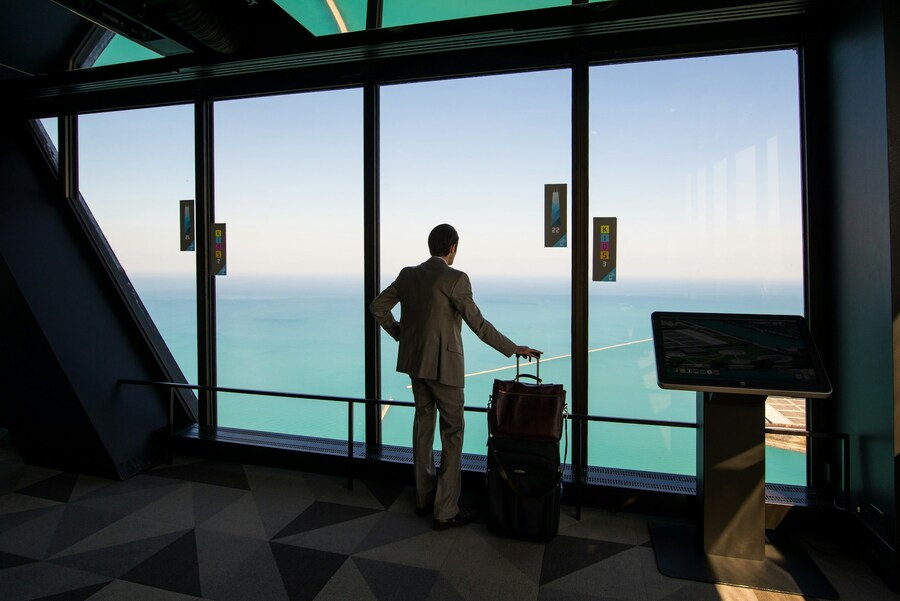
Since you cannot change the physical size of the cabin once you are in the air, you must change your interaction with the environment. One of the best air travel hacks is the use of "visual expansion." Choosing a seat on the side of the aircraft that will be away from the sun during the flight allows you to keep your window shades open without glare, which naturally expands your sense of space to the horizon. In addition, noise-canceling headphones aren't just for blocking out engine noise; they are for creating a "sonic bubble" that helps your brain ignore the physical proximity of other passengers in the narrow cabin.
In terms of attire, the "layering" strategy is essential. Narrowbody cabins can fluctuate in temperature more rapidly than widebodies. Wearing breathable, natural fibers like merino wool ensures that you don't feel "trapped" by your own clothing in a small seat. Moreover, stay hydrated and use a nasal saline spray. The air in smaller cabins can often feel drier, and keeping your mucous membranes hydrated reduces the physical stress that often mimics the symptoms of claustrophobia.
The entertainment and digital space hack
When the physical space is small, the digital space must be large. Many travelers make the mistake of focusing on the small screen in front of them, which reinforces the feeling of being in a tight spot. Instead, use high-quality 4K screens to display "expansive" content – think nature documentaries with wide landscapes or "slow TV" that features long, panoramic shots. Avoid high-intensity action movies with fast cuts if you are feeling cramped, as these can increase your heart rate and exacerbate feelings of being boxed in.
If the airline offers a "virtual window" or an external camera feed, use it. Seeing the vastness of the sky or the Earth below helps the brain recalibrate and realize that while the seat is small, the environment you are moving through is immense. This psychological trick is one of the most effective ways to combat the "suite trap."
Managing the ground experience
The journey begins long before you board the plane, and how you handle the logistics of the airport can significantly impact your stress levels and your perception of space once on board. If you are starting your trip from a major hub, the "crowd fatigue" can make a narrowbody cabin feel even more restrictive. To counter this, you should look for ways to streamline your arrival and departure. One of the most overlooked aspects of the premium travel experience is the transition from your car to the terminal.
When flying out of busy regional hubs, such as those in Texas, the complexity of parking can add unnecessary adrenaline to your system. For those departing from the Dallas area, finding efficient DAL parking deals is a savvy way to ensure that you aren't rushing through a crowded garage minutes before your flight. By securing a spot in advance through reputable platforms, you can arrive at Dallas Love Field (DAL) with a sense of calm. This mental "headroom" is vital; if you board a narrowbody aircraft already feeling stressed and rushed, the small dimensions of the suite will feel significantly more oppressive than if you had entered the cabin in a relaxed state.
The future of narrowbody travel
We are seeing a trend where airlines are starting to realize that "more isn't always better." Some carriers are experimenting with removing a row of seats to provide more pitch, or using "slimming" technology on the suite walls to add an extra inch of shoulder room. However, until these designs become the industry standard, the responsibility lies with the passenger to select the best possible environment. Look for airlines that use the "Airbus Airspace" cabin or the "Boeing Sky Interior" on their narrowbody fleets. These designs use LED lighting and reshaped overhead bins to create a visual illusion of height and width that can mitigate the "closed-in" feeling of a single-aisle plane.
Another hack involves the timing of your meals. In a narrowbody business class, the "service flow" can feel very intrusive because there's only one aisle. If everyone eats at the same time, the aisle is constantly blocked by carts and flight attendants. If your airline offers "dine on demand," choose to eat your main meal an hour after everyone else has finished. This gives you a period of quiet and stillness in the cabin, allowing you to enjoy your space without the constant movement and noise associated with the main meal service.
The bottom line
Source: Fujiphilm/Unsplash
The rise of the long-haul narrowbody is an inevitability of modern aviation, offering convenience that often rivals widebody jets. However, the "suite trap" remains a real phenomenon, potentially turning a luxury experience into a cramped endurance test. Mastering this new era requires a blend of technical knowledge and psychological management. By prioritizing seats with maximum volume – like bulkhead rows – and streamlining ground logistics, you can reclaim the sense of grandeur premium travel should provide. Remember, the best seat isn't just about a sliding door; it's about the cubic feet that allow you to breathe. With strategic planning and mindful cabin habits, your narrowbody suite can truly become a sanctuary. Wishing you blue skies, effortless connections, and a perfectly spacious journey wherever you fly!


