

The golden age of flight often feels like a distant memory, a chapter of history books filled with images of travelers in suits and expansive legroom that seemed to stretch into the horizon. For decades, the modern experience has been defined by the "sardine can" phenomenon, where the primary objective was to squeeze as many souls as possible into a pressurized tube. Among the many trials of the contemporary traveler, none has been more universally loathed than the middle seat. It's the spatial equivalent of no-man's-land, a territory where you are stripped of the view of the window seat and the freedom of the aisle.
However, the tides are shifting in a way few could have predicted. We are witnessing a fundamental change in how aircraft interiors are conceptualized, leading to what many industry experts are calling a "Middle Seat Renaissance." Driven by a combination of clever engineering, psychological research, and the sheer necessity of airline competition, the middle seat is no longer the consolation prize of air travel; in some cases, it's becoming the preferred choice for those in the know. Today, staggered seating layouts and offset armrests provide a sense of personal sanctuary that previously didn't exist, while dedicated high-speed Starlink nodes ensure that the center passenger is never left in a digital dead zone. This evolution marks a turning point where every traveler, regardless of their coordinates in the row, enjoys a premium experience.
So, is the middle seat no longer the worst way to fly?
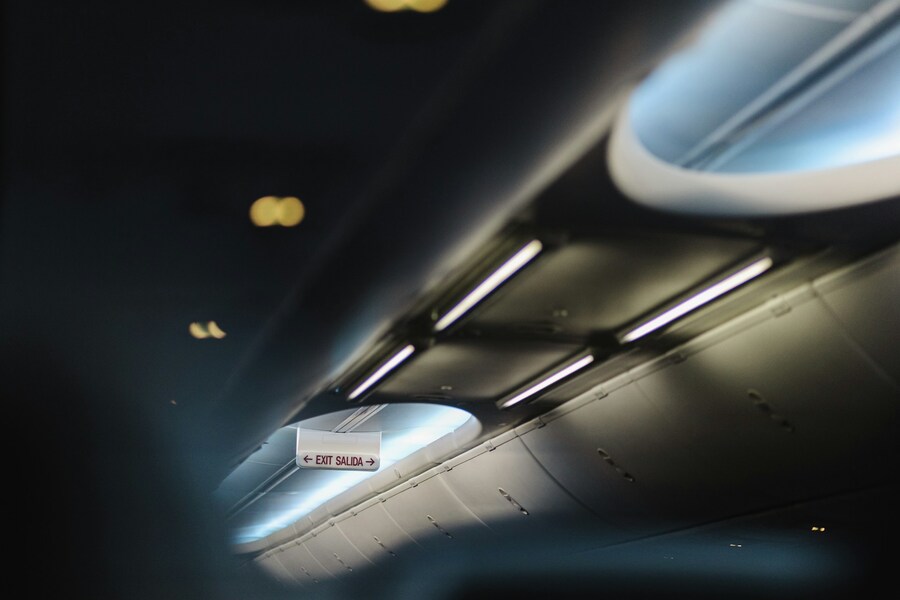 Source: Edward Lawrence/Unsplash
The short answer is a surprising yes, but the reasons behind this transformation are multifaceted. The aviation industry has finally acknowledged that a miserable passenger is a passenger who might not return, especially as low-cost and premium-economy carriers battle for loyalty. To understand why the middle seat is getting a makeover, one must look at the "S-curve" of cabin innovation. Designers have moved beyond the traditional linear alignment of rows, experimenting instead with staggered layouts. By shifting the middle seat just a few inches back or slightly lower than its neighbors, airlines are effectively decoupling the shoulders of three adult passengers. This tiny geometric adjustment provides a massive boost in perceived and actual space. When you aren't physically rubbing shoulders with a stranger, the psychological claustrophobia of the middle seat evaporates.
The engineering of extra width and staggered comfort
One of the most impactful breakthroughs in modern cabin design involves the literal expansion of the middle seat's dimensions. Historically, every seat in an economy row was identical in width, usually hovering around 17 to 18 inches. Newer designs, however, have begun to redistribute that real estate. By shaving a fraction of an inch from the aisle and window seats – where passengers already enjoy "bonus" space from the aisle or the wall – manufacturers have been able to create middle seats that are up to two inches wider than their counterparts.
This extra width is often paired with a staggered configuration. In these setups, the middle seat is positioned slightly behind the vertical plane of the aisle and window seats. The result is a "Z-axis" solution to a "Y-axis" problem. Because your elbows and shoulders are no longer aligned with the person next to you, the dreaded armrest war comes to an end. In fact, many of these new seat models feature dedicated dual-level armrests. The passenger in the middle can use the lower tier of the armrest while the passengers on either side use the higher tier, or vice versa. This eliminates the awkward "elbow dance" and provides each traveler with a clearly defined personal bubble, a luxury previously thought impossible in the economy cabin.
Technology and the digital edge of the center seat
Airlines are also using technology to incentivize the middle seat. In an era where in-flight entertainment and connectivity are paramount, the middle seat is often being equipped with the largest screens in the row. Because the middle passenger has the most "direct" line of sight and is furthest from the glare of the window, it serves as the perfect theater seat. Some carriers have even gone as far as offering dedicated high-speed charging ports or increased data bandwidth exclusively for the center occupant.
Moreover, the rise of smart cabin lighting has changed the sensory experience. Advanced LED systems now use "circadian lighting" to simulate natural light patterns, which helps reduce jet lag. In the middle seat, where you lack a window to gauge the time of day, these lighting systems are vital. They create an artificial horizon and a sense of openness that prevents the feeling of being "buried" in the center of the aircraft. When combined with the latest noise-canceling cabin materials, the middle seat can become a private, high-tech sanctuary for the duration of the flight.
The economic strategy of seat selection
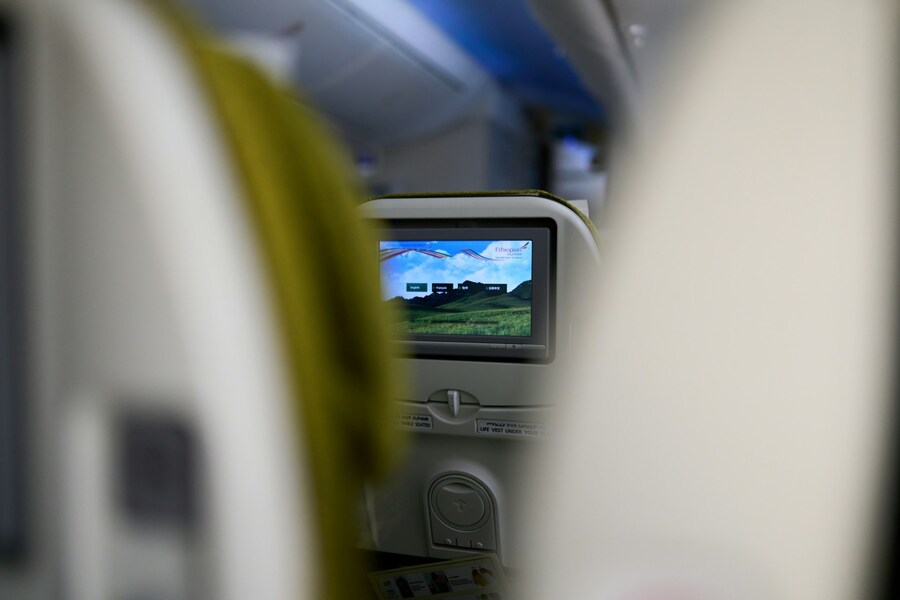
From a tactical perspective, the middle seat is also becoming a tool for the budget-conscious but comfort-seeking traveler. As airlines move toward more granular pricing models, the middle seat often remains the last "free" or low-cost option for selection. Smart travelers are realizing that a "new-gen" middle seat on a modern aircraft – which is wider and staggered – is actually a better value proposition than a standard, cramped aisle seat on an older plane.
By targeting newer aircraft models during the booking process, you can essentially hack the system. You pay the lowest fare for the middle seat but receive more lateral room and a better entertainment interface than those who paid a premium for the aisle. This shift in value is forcing a re-evaluation of how we view "good" and "bad" seats. The hack here is simple: don't just look at the seat map; look at the aircraft type and the specific seat manufacturer. A few minutes of research into the "S2" or "Space Seat" configurations can mean the difference between a cramped flight and a surprisingly roomy one.
Mastering the logistics of the ground game
While the in-flight experience is improving, the savvy traveler knows that the journey begins long before the wheels leave the tarmac. A common mistake is focusing so much on the cabin that the logistics of getting to the terminal are ignored. This is where the true "travel hacks" of the modern era come into play. Efficiency on the ground is the foundation of a stress-free trip. Just as you would research the seat pitch and width of your aircraft, you should investigate the logistical infrastructure of your departure city
For those flying out of the Mid-South, managing your vehicle is often the most significant pre-flight hurdle. Finding reliable and affordable MEM Airport parking is a crucial step that many leave until the last minute, resulting in unnecessary stress and inflated costs. By utilizing dedicated booking platforms, travelers can secure MEM parking deals that significantly undercut the standard drive-up rates at the terminal. Exploring options at AirportParking.deals allows you to compare different lots, check security features, and read recent reviews. Securing your spot in advance ensures that you aren't circling a packed garage 20 minutes before your boarding group is called. It's about creating a seamless transition from your car to that newly designed, extra-wide middle seat.
Psychological hacks for the modern flyer
Even with better seat designs, the mental game of flying remains important. One of the most effective ways to thrive in a middle seat – especially a new, wider one – is to control your immediate environment. Bringing a high-quality, slim-profile neck pillow and a personal "comfort kit" can transform your space. Since new middle seats often have more under-seat storage due to redesigned leg supports, you can afford to keep a small bag of essentials within reach without sacrificing legroom.
Another hack involves the "weight distribution" of your carry-on. Many new cabin designs include "vertical" storage bins that allow for more bags to be stored on their sides. This reduces the stress of finding overhead bin space, but you should still aim to be one of the first in your boarding group. Even if you have a guaranteed wide middle seat, getting your luggage settled early allows you to claim your "territory" and set up your personal electronics before the row fills up. The middle seat traveler who is prepared and organized often feels more in control than the aisle passenger who's constantly being bumped by the beverage cart or other travelers moving through the cabin.
The bottom line
The "Middle Seat Renaissance" is a testament to the fact that even the most entrenched problems in travel can be solved through thoughtful design. We are moving away from an era of compromise and into one of optimization. While the aisle and window will always have their loyalists, the gap between the "best" and "worst" seats is narrowing at an incredible pace. This evolution is driven by a new philosophy in aviation that treats every square inch of the cabin as a premium asset rather than a secondary thought. By understanding the engineering behind these new cabins, leveraging technology, and planning the ground logistics – like finding the best parking deals – the modern flyer can turn a once-dreaded experience into a highlight of their journey.
As airlines continue to prioritize ergonomic curves, dedicated overhead bin space for every passenger, and high-speed Starlink connectivity that never drops, the social and physical friction of flying is dissipating. The next time you see that center square on a seating chart, don't immediately dismiss it. On the right aircraft, it might just be the best-kept secret in the sky, offering a perfect balance of modern amenities and surprising comfort. May your next flight be smooth, your connection be lightning-fast, and your journey be filled with wonder. Safe travels and happy landings!


