

The landscape of international travel has shifted dramatically under our feet. For decades, the phrase "long-haul flight" conjured images of massive double-aisle jets, four engines, and a sense of cavernous space that made crossing oceans feel like a grand expedition. But as we move through the mid-2020s, a new queen of the skies has emerged, and she's much slimmer than her predecessors. The
Surviving nearly half a day in a confined tube requires a strategic shift in mindset and preparation. While the A321XLR is equipped with the latest "Airspace" cabin technology, featuring better acoustics, larger overhead bins, and fancy LED mood lighting, it remains a narrow-body jet. You are closer to your neighbors, the aisle is a high-traffic zone, and the psychological impact of a smaller ceiling can set in after the fourth hour. This travel guide is designed to help you navigate the nuances of the "XLR life," ensuring you arrive at your destination refreshed rather than ragged.
So, is it possible to stay comfortable in a narrow-body jet for 10 hours?
 Source: Gerrie van der Walt/Unsplash
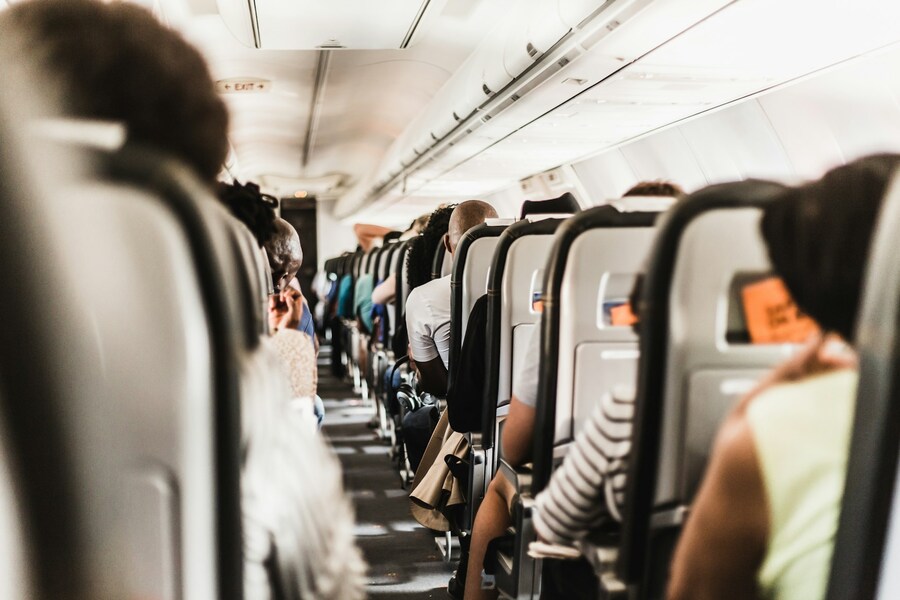
The short answer is yes, but it doesn't happen by accident. The A321XLR is a marvel of engineering, but the comfort of the passenger depends heavily on their chosen "class" of survival and their tactical approach to the cabin environment. Unlike the wide-body giants where you might have three or four aisles and multiple galleys to wander, the XLR is a linear experience. Everything happens in one long corridor. This creates a specific set of challenges, from the "galley bottleneck" during meal service to the proximity of the lavatories. To truly thrive on these long-range narrow-body missions, you must master the art of seat selection, personal climate control, and digital hermitage.
Navigating the seat map strategy
Success begins at the time of booking. On the A321XLR, the difference between a "good" seat and a "nightmare" seat is magnified by the narrow fuselage. In the premium cabins, most airlines have opted for a 1-1 configuration, meaning every passenger has a "throne" with direct aisle access. These are the gold standard for survival. However, even within these elite rows, you should aim for the mid-cabin. The front row is often plagued by light and noise from the forward galley, while the last row of the business cabin sits right against the curtain separating you from the masses, often subject to foot traffic and chatter.
For those in the main cabin, the 3-3 layout is the standard. If you are traveling solo, the aisle seat is non-negotiable. On a nine-hour flight, the ability to stand up, stretch your legs, or use the restroom without performing a synchronized dance with two strangers is essential for your mental health. Conversely, if you are a "sleeper" who can vanish into a dream state for six hours, the window seat provides a precious wall to lean against. The middle seat, in this specific aircraft, should be avoided at all costs. The slightly narrower walls of the A321 compared to a Boeing 787 can make the middle feel particularly hemmed in during the middle part of the flight.
Engineering your personal micro-climate
One of the most frequent complaints about the early long-haul narrow-body flights is the inconsistency of cabin temperature. Narrower cabins can heat up or cool down more rapidly than larger ones depending on the passenger load and the aircraft's altitude. To survive nine hours, you must dress in highly adaptable layers. Start with a breathable base layer, add a light sweater, and always carry a high-quality pashmina or a dedicated travel blanket. The thin blankets provided by airlines are rarely sufficient when the air conditioning kicks into high gear over the North Atlantic.
Moreover, the A321XLR features advanced LED mood lighting designed to mimic the circadian rhythm, which helps mitigate jet lag. However, this only works if you cooperate with it. Use a high-quality, contoured eye mask that doesn't put pressure on your eyelids. Because the cabin is smaller, any light from a neighbor's tablet or a galley curtain left slightly ajar will feel much brighter. Controlling your light intake is the first step toward tricking your brain into thinking you are in a different time zone.
The digital and acoustic fortress
A narrow-body cabin is inherently noisier in terms of "human sound" than a wide-body. You are closer to the engines, and you are certainly closer to your fellow passengers. To survive nine hours, you need to build an acoustic fortress. High-end noise-canceling headphones are no longer a luxury; they are a vital piece of survival equipment. They serve two purposes: they neutralize the constant hum of the CFM LEAP engines and they signal to your neighbors that you aren't open for small talk.
The A321XLR usually comes equipped with the latest Thales or Panasonic entertainment systems, often boasting 4K screens and Bluetooth connectivity. While this is a massive upgrade from older narrow-body jets, you should never rely solely on the airline's library. Download your own "comfort media" – shows or movies you've seen before that can play in the background while you doze. The goal is to minimize the amount of time you spend "searching" for something to do, as the frustration of a lagging interface can be the tipping point on a long flight.
Source: Charlies X/Unsplash
Hydration and nutrition tactics
At 35,000 feet, the humidity in an airplane cabin is lower than in the Sahara Desert. In a smaller jet, you might feel the effects of dehydration even faster. The "beverage cart" on a single-aisle plane can take a long time to reach the back, and once it's in the aisle, it blocks the path to the restroom. To bypass this, bring a large, empty reusable water bottle and fill it after you pass through security. Having your own liter of water means you aren't dependent on the flight attendant's schedule.
Regarding food, the A321XLR galleys are compact. This often means that meal service is more streamlined. While the food quality has improved, the portions can be modest. Packing high-protein, low-sodium snacks like almonds or jerky can prevent the "hanger" that sets in during the six-hour mark when the next meal is still two hours away. Avoid overly salty snacks, as they'll only exacerbate the swelling in your feet and ankles – a common side effect of long-duration sitting.
Movement and circulation in a single aisle
The greatest challenge of the A321XLR is the lack of "walking room." On a Boeing 777, you can do laps around the galleys to keep your blood flowing. On the XLR, you have one straight line. To maintain circulation without being a nuisance, perform "seated yoga." Flex your calves, rotate your ankles every hour, and lift your knees toward your chest while seated. When the aisle is clear, take a walk to the back of the plane, but be mindful of the crew's workspace. Compression socks are also highly recommended for flights over six hours; they may not be fashionable, but they are incredibly effective at preventing deep vein thrombosis and general leg fatigue.
Mastering the pre-flight logistics
The "survival" part of your trip actually begins before you even reach the terminal. Long-haul travel is inherently stressful, and any friction you can remove from the beginning of your journey will pay dividends when you are seven hours into your flight. This includes having a solid plan for your arrival at the airport. For those flying out of regional hubs, the convenience of the A321XLR is often matched by the ease of the airport itself.
If you are departing from New England, for example, choosing a smaller hub can save you hours of transit time compared to the chaos of larger international terminals. To ensure a smooth start, it's wise to look into PVD parking deals which allow you to secure a spot close to the terminal without the exorbitant costs usually associated with major hubs. Utilizing services like PVD Airport parking ensures that you aren't starting your nine-hour journey with the stress of a long shuttle ride or a lost car. Having your logistics settled allows you to walk into the terminal with a focused, calm mindset, which is the ultimate secret to enduring long-haul travel.
The bottom line

The era of the "long-haul narrow-body" is here to stay, and the Airbus A321XLR is the vanguard of this movement. While some traditionalists may miss the sprawling decks of the jumbo jets, the trade-off is more direct flights and fewer layovers in massive, confusing hub airports. Surviving nine hours on a single-aisle aircraft is entirely manageable if you treat the experience with the respect it deserves.
By prioritizing seat selection, controlling your immediate environment with high-quality gear, and maintaining a proactive approach to hydration and movement, you can turn a potentially grueling flight into a productive or restful transition between worlds. The A321XLR is a tool designed for efficiency; as a passenger, your goal is to be just as efficient with your personal comfort. Pack smart, dress in layers, and remember that the destination is worth the temporary confinement. With the right preparation, that single aisle won't feel like a constraint – it'll feel like a bridge to your next great adventure.


