

Navigating the skies lately feels a bit like riding a roller coaster without the safety of a fixed track. If you've noticed that your ginger ale is sloshing out of the cup more often than it used to, you aren't imagining things. The atmosphere is changing, and with it, the very nature of how we move through the air.
Modern aviation is a marvel of engineering, yet it remains at the mercy of the invisible currents circling our planet. As we move further into this decade, the "smooth sailing" we once took for granted is becoming a rarer commodity. From the warming of the stratosphere to the intensifying jet streams, the science behind the shake is both fascinating and a little daunting. But don't worry – while the world gets a bit bumpier, your travel strategy doesn't have to suffer. This travel guide is designed to help you master the art of the smooth flight, from the moment you book your seat to the second you touch down. So, let's get to it!
Why is the sky getting more turbulent every year?
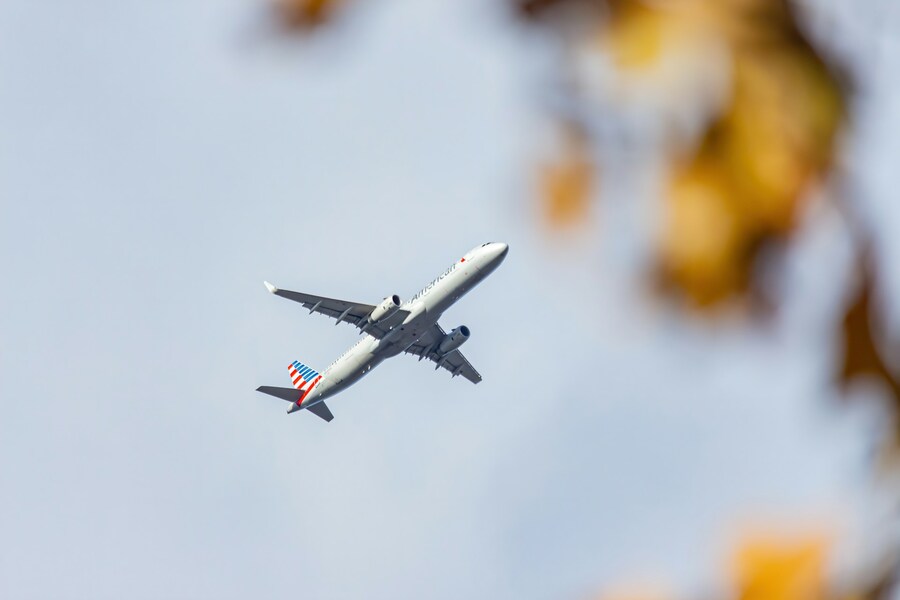
 Source: Dominik Schröder/Unsplash
The primary culprit behind the increasing "chop" in our flights is a phenomenon known as wind shear, specifically within the jet streams. These high-altitude rivers of air are being supercharged by the widening temperature gap between the poles and the equator. While the surface of the Earth is warming, parts of the upper atmosphere are actually cooling, and that thermal tug-of-war creates a more chaotic environment for aircraft. The most insidious version of this is
Research now confirms that instances of severe clear-air turbulence have increased by over 50% in certain high-traffic corridors, such as the North Atlantic. This isn't just a minor inconvenience; it has real implications for flight safety, fuel consumption, and passenger comfort. Airlines are responding with sophisticated AI-driven forecasting models, but the physics of the atmosphere means that some degree of shaking is simply becoming the new normal. Understanding this is the first step toward managing it. If you know why the plane is shaking, the lizard brain tends to stay a bit calmer when the "fasten seatbelt" sign dings.
Selecting the ultimate stability seat
If you want to minimize the physical sensation of a bumpy ride, physics is your best friend. Imagine a playground seesaw: the people on the far ends experience the biggest vertical arc, while the person standing right in the middle – the fulcrum – barely moves at all. An airplane functions on the exact same principle. The center of gravity for most commercial aircraft is located right over the wings.
Booking a seat in the mid-section of the cabin, specifically between the rows that align with the wings, will provide the most stable experience. Conversely, the tail of the aircraft is the worst place to be during a storm. Because the plane's tail acts like a giant lever, every minor adjustment the pilot makes to the rudder or elevators is amplified in the back rows. If you're prone to motion sickness or anxiety, staying as close to the "fulcrum" as possible is a non-negotiable travel hack.
The morning flight advantage
Timing is everything when it comes to atmospheric stability. Most turbulence is caused by one of two things: wind shear or "thermals." Thermals are rising columns of warm air created when the sun heats the ground. This is why afternoon flights, especially over land or mountainous terrain, tend to be much bumpier than those in the dark or early morning.
By booking the first flight of the day, you're essentially flying through air that has had all night to cool down and settle. The atmosphere is generally at its most "liquid" and calm just before sunrise. Moreover, nighttime radiation cooling stabilizes the boundary layer, preventing the vertical mixing that causes mid-altitude jolts. This window of stillness offers the most consistent flight paths before solar energy begins churning the air into unpredictable, choppy thermal currents. As an added bonus, early morning flights are statistically less likely to be delayed, as the aircraft is usually already at the gate and hasn't been subject to the day's compounding scheduling ripples. If you can handle a 5:00 AM alarm, your stomach will thank you.
Leveraging technology and physical cues
In this era of hyper-connectivity, you don't have to rely solely on the pilot's announcements to know what's coming. There are several apps and websites that use crowdsourced pilot reports (PIREPs) to show real-time turbulence maps. Checking these before you board can give you a mental "heads-up" for when the flight might get rocky.
Once you're in the air, if the shaking starts, try the "horizon trick." If you have a window seat, fix your gaze on the distant horizon. This helps your vestibular system – the balance center in your inner ear – sync up with what your eyes are seeing. If you're in an aisle seat and feeling a bit green, close your eyes and tilt your head slightly back. Reducing the "visual-vestibular mismatch" is the fastest way to ward off nausea. Also, don't forget the power of active noise-canceling headphones. A large part of the fear associated with turbulence is the sound of the engines changing pitch or the cabin creaking; blocking that out can significantly lower your cortisol levels.
Source: Andy Makely/Unsplash
The strategy of large aircraft
Not all planes handle the air the same way. Generally speaking, the larger the aircraft, the more "inertia" it has to resist the effects of turbulence. A massive wide-body jet like a Boeing 787 Dreamliner or an Airbus A350 is built with flexible wing technology and advanced gust-suppression systems that can react to wind changes in milliseconds.
When you're searching for flights, pay attention to the aircraft type listed in the details. If you have the choice between a small regional jet and a larger "heavy" aircraft for a similar price, always go with the bigger bird. The increased mass alone makes a noticeable difference in how the plane "slices" through choppy air rather than being tossed around by it. It's the difference between being in a speedboat and a cruise ship in a choppy harbor.
Master your pre-flight logistics
A smooth flight actually begins long before you reach the jet bridge. Stress is cumulative; if you're rushing through security or panicking about where you left your car, your body is already in a "fight or flight" state before the first bump even hits. Streamlining your ground experience is the secret "mental hack" for dealing with in-air instability. This means packing with compression cubes to avoid baggage-claim stress and having your digital boarding pass screenshotted and ready to go.
One of the biggest stressors for many travelers is the cost and complexity of getting to the terminal. If you're flying out of the Capital Region, for instance, you can save a significant amount of stress and money by scouting for ALB parking deals ahead of time. Utilizing specialized resources to secure ALB Airport parking ensures that you aren't circling the lot minutes before your gate closes. By handling these small details early, you enter the cabin with a sense of control that carries over even when the seatbelt sign illuminates.
Small comforts and cabin hacks
Once you've secured your seat and stowed your bags, there are a few "pro-level" cabin hacks that can make your journey more bearable. For instance, did you know that most aisle seats have a small, hidden button on the underside of the armrest near the hinge? Pressing this allows you to raise the armrest completely, giving you a few extra inches of "wiggle room" and making it easier to exit the row if you need to walk off some nervous energy.
Hydration is also a major factor in how your body processes the stress of travel. The air in a plane is incredibly dry, which can lead to headaches and increased sensitivity to motion. Skip the caffeine and alcohol – which both dehydrate you and can increase heart rate – and stick to water with an electrolyte tablet. If you're traveling with a companion, try the "aisle and window" trick when booking a row of three. If the flight isn't full, people rarely choose a middle seat, giving you the whole row to stretch out. If someone does show up, they'll almost always be happy to trade their middle seat for your aisle or window so you can sit together.
The bottom line
While it's true that the skies are becoming more active due to shifting global climates, air travel remains one of the safest modes of transportation ever devised. The "shaking" you feel, while uncomfortable, is almost never a threat to the structural integrity of the modern aircraft you're flying in. These machines are tested to withstand forces far beyond what a standard jet stream can produce.
By understanding the science of why the air is moving, choosing your seat with the precision of a physicist, and managing your pre-flight logistics to keep your baseline stress low, you can navigate even the choppiest routes with total confidence. The next time the wings start to flex and the coffee starts to ripple, just remember: you chose the right seat, you're on the right plane, and the horizon is exactly where it's supposed to be.


