

In the ever-evolving landscape of global transportation, the way we traverse the globe is undergoing a radical transformation. Gone are the days when international travel necessitated a thick folder of printed documents, photocopied itineraries, and the constant, nagging anxiety of losing a physical passport in the depths of a carry-on bag. Today, the very definition of a "travel document" is shifting from paper and plastic to the unique contours of your face and the digital signatures of your identity. This revolution is centered on the concept of seamless transit, where the friction of traditional security is replaced by the speed of light and the precision of artificial intelligence. As airports become more crowded and security mandates more stringent, the shift toward biometric boarding and digital identity is no longer a luxury for the elite frequent flyer; it's becoming the standard operating procedure for anyone looking to navigate the modern terminal without the headache of long queues and manual inspections. Your face is now your boarding pass – let's dive into how you can use it!
So, is it actually possible to board a flight using only your face?
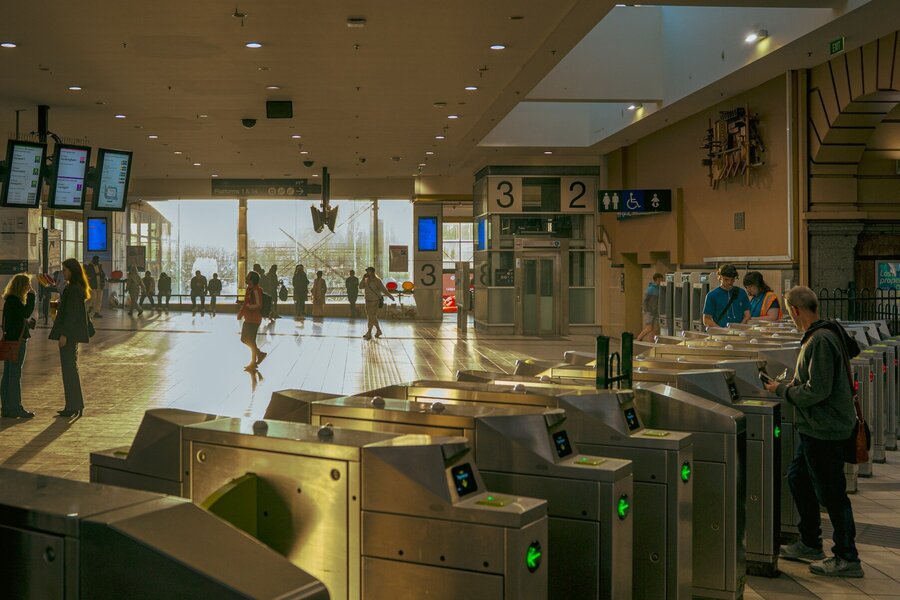 Source: niko n/Unsplash
The short answer is a resounding yes, and the technology making this possible is more integrated into the travel ecosystem than most passengers realize. The current state of aviation security has moved beyond pilot programs into a fully realized infrastructure of biometric touchpoints. This system relies on a "single token" identity, where a high-resolution facial scan serves as your key to every locked door in the airport. By linking your government-issued ID – such as a REAL ID or an e-passport – to a digital profile through an airline app or a government portal, you create a biometric template that the airport's cameras can recognize in milliseconds. This isn't just about boarding the plane; it's about a comprehensive journey that begins at the luggage drop and ends at the jet bridge, all without ever reaching for your wallet.
The architecture of the digital identity profile
To truly breeze through security, the work begins long before you arrive at the terminal. The backbone of this document-free experience is the digital identity profile, which serves as a secure bridge between your physical identity and the airport's verification systems. Most major carriers now prompt travelers during the check-in process to opt-in to biometric programs. This usually involves taking a "liveness-verified" selfie within the airline's mobile application. This selfie is then compared against the biometric chip data stored in your passport or the photo on file with the Department of Motor Vehicles. Once these two images are matched with a high degree of mathematical certainty, your facial signature is encrypted and temporarily stored as your "boarding pass."
When you approach a security checkpoint or a boarding gate, the cameras don't actually "see" you the way a human does; instead, they map hundreds of distinct nodal points on your face, such as the distance between your eyes or the shape of your cheekbones. This data is compared against the pre-verified template in the system's cloud-based registry. If the data points align, the gate opens automatically. This process is significantly more secure than manual checks because it eliminates human error and is designed to detect "spoofing" attempts, such as someone wearing a high-quality mask or holding up a photograph of the passenger.
Navigating the security checkpoint without a physical ID
The
However, it's vital to understand the "opt-in" nature of these systems. While the technology is pervasive, it remains voluntary in many jurisdictions. Signs are typically posted at the entrance to security lanes indicating that facial recognition is in use. If you prefer the traditional method, you still have the right to request a manual ID check, though this will likely result in a longer wait time. For those looking for the ultimate hack to save time, ensuring your mobile device is fully charged and your airline app is updated to the latest version is the most critical preparation you can make.
The role of mobile wallets and state-issued digital IDs
Beyond airline-specific biometric programs, the rise of state-issued mobile Driver's Licenses (mDLs) has added another layer of convenience. Tech giants have worked closely with government agencies to allow citizens to store their IDs directly in their phone's secure element, accessible via Apple Wallet or Google Wallet. These digital IDs use encrypted communication to share only the necessary information with TSA readers. For example, instead of showing your full address and birth date to a stranger, the digital ID only confirms to the reader that you're over 21 and that your identity is verified.
This integration means that even if you aren't using a specific "face-as-your-boarding-pass" program, you can still move through the airport with a digital-first approach. The synergy between these state IDs and the TSA's scanners allows for a touchless exchange of information. You simply hold your phone or smartwatch near the reader, authorize the data shared with your device's own biometrics (like FaceID or a fingerprint), and proceed. It removes the friction of "the fumbling," that awkward moment where you're trying to balance a coffee, a laptop bag, and a physical ID card while moving through a crowded line.
Strategic planning for airport arrival
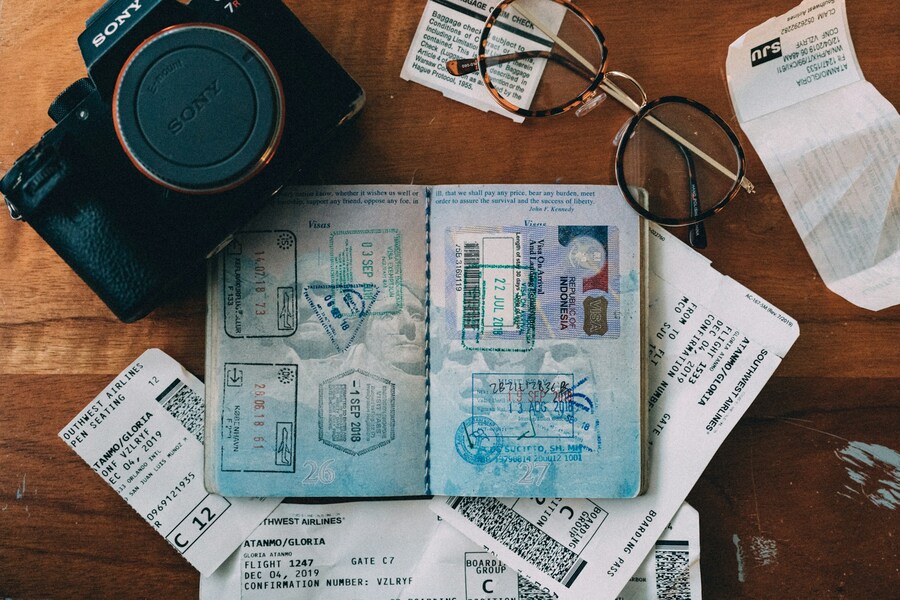
While biometrics make the transit within the airport faster, your overall travel hack strategy should also include how you get to the terminal. Even the fastest security line won't help if you've spent forty minutes circling the parking lot. For those flying out of Kentucky, planning your departure involves more than just a digital ID. Many savvy travelers find that securing SDF parking deals ahead of time is the best way to ensure their journey starts as smoothly as the biometric boarding finishes. By booking SDF Airport parking in advance, you eliminate the unpredictability of terminal lot capacity and can often find off-site options that offer shuttle services directly to the doors of the terminal, keeping your transition from car to gate entirely stress-free.
Overcoming technical glitches and privacy concerns
No technology is perfect, and the savvy traveler always has a "Plan B." While biometric systems have a high success rate, factors like poor lighting, hardware malfunctions, or even significant changes in your physical appearance can occasionally trigger a manual review. If the camera fails to recognize you after a couple of tries, the system is designed to revert to a standard check. This is why, despite the "document-free" promise, every travel expert still recommends carrying your physical REAL ID or passport as a backup. It's a classic case of having it and not needing it, rather than needing it and being stuck at the gate.
Privacy remains a significant talking point in the world of biometric travel. To address this, most systems are designed with strict data retention policies. In the United States, for instance, the TSA typically deletes the facial images of U.S. citizens within hours of their flight's departure. The data is used strictly for identity verification at the moment of transit, not for long-term surveillance or law enforcement tracking. Understanding these safeguards can help ease the minds of travelers who are hesitant to embrace the digital shift. The trade-off for this data sharing is a level of convenience and security that was unimaginable a decade ago.
International travel and the global biometric standard
The move toward paperless travel isn't limited to domestic flights. Global initiatives are working toward a standardized Digital Travel Credential (DTC) that would allow you to cross international borders with the same ease as a domestic security gate. Europe's Entry/Exit System (EES) and various "Smart Gate" programs in Asia and Oceania are already utilizing facial and iris recognition to process millions of passengers. For the international traveler, this means that the "one ID" concept is becoming a reality across multiple jurisdictions. You can now land in a foreign country, walk up to a kiosk, have your face scanned, and be admitted to the country in under a minute, bypassing the traditional immigration officer's desk entirely.
Maximizing efficiency with "lounge-to-gate" continuity
The final piece of the biometric puzzle is the extension of this technology into airport lounges and retail spaces. Some high-end carriers and lounge networks have integrated facial recognition at their entry points. Instead of presenting a premium ticket or a membership card, your face confirms your eligibility. This creates a "lounge-to-gate" continuity where your identity is the only thing you need to carry. Even duty-free shops are beginning to test systems where you can pay and verify your age for age-restricted purchases using only a biometric scan linked to your payment method. This level of integration represents the pinnacle of air travel hacks, turning the airport from a series of hurdles into a single, fluid experience.
Conclusion
 Source: Frankie Cordoba/Unsplash
The transition to a biometric-centric travel experience represents the most significant shift in aviation since the introduction of the e-ticket. By leveraging the power of digital identity, travelers can reclaim the time and mental energy previously lost to the bureaucracy of the terminal. While the "face as a ticket" model requires a bit of upfront preparation – such as setting up your digital wallet, opting into airline biometric programs, and ensuring your physical documents are compliant with modern standards – the payoff is a journey characterized by speed, security, and a remarkable lack of stress.
Embracing these hacks means you're no longer at the mercy of the "standard" security line. You're part of an elite tier of prepared passengers who understand that in the modern age, information is the ultimate carry-on. As long as you maintain a backup of your physical documents and stay informed about the specific requirements of your departure airport, you're ready to experience the future of flight. The terminal of today is no longer a place of waiting; it's a gateway of seamless movement where you're recognized, verified, and welcomed aboard with nothing more than a simple glance at a camera. As we move forward, the physical passport will likely become a sentimental keepsake of a bygone era, while your digital self carries you across the world with unprecedented ease. Wherever your next adventure takes you, may your lines be short, your connection secure, and your journey entirely effortless – safe travels and blue skies ahead!


