

The modern airport terminal has become a theater of strategic maneuvering. Long before the first engine spools up, a silent competition begins at the boarding gate. It's a game of space, timing, and psychological endurance. For the frequent traveler, the carry-on bag is more than just luggage; it's a badge of independence and a vessel for essential items that cannot be risked in the dark, mechanical bowels of the aircraft. However, as airlines continue to optimize their fleet efficiency and maximize passenger loads, the overhead bin has become the most contested real-time real estate in the world. This tension leads to the inevitable "gate check" announcement – that polite but firm request from ground staff asking for volunteers to check their bags through to their final destination.
Navigating this moment requires more than just a quick decision; it requires a deep understanding of the current aviation landscape. The choice to hand over your suitcase at the jet bridge is a gamble that pits convenience against security. On one hand, you gain a hands-free walk to your seat and a lighter load during layovers. On the other, you surrender control, risking delays at the baggage carousel or, worse, the loss of your belongings. To master the art of air travel, one must learn to read the room, the aircraft type, and the specific policies of the carrier to determine whether volunteering is a brilliant hack or a tactical error. This travel guide delves into the nuances of modern air travel logistics to help you decide when to embrace the gate check and when to hold your ground. So, let's dive in!
How can travelers master the modern boarding process while protecting their luggage?
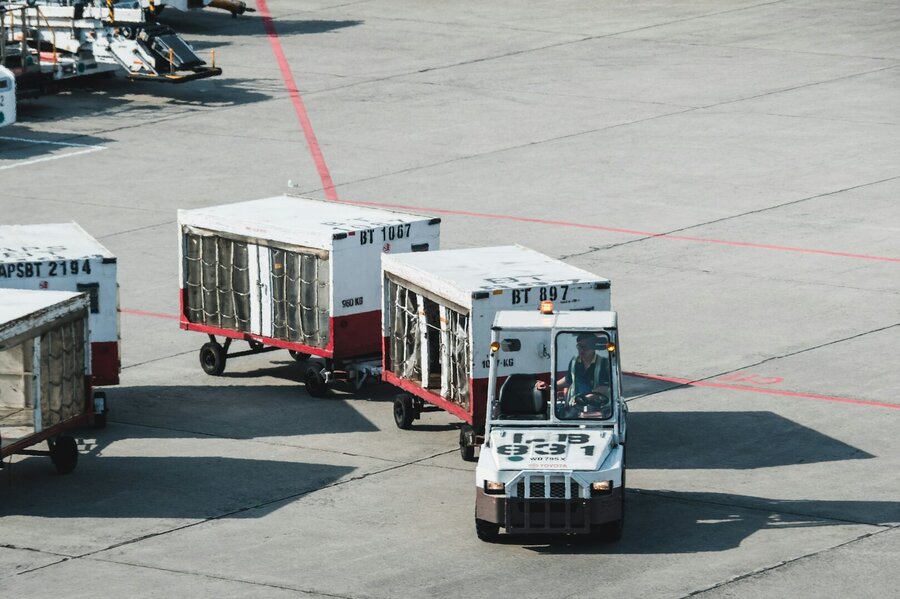 Source: Goh Rhy Yan/Unsplash
The evolution of air travel has turned the boarding area into a high-stakes environment where information is the primary currency. To successfully navigate the "gate check" gamble, a traveler must first understand why the request is being made. In most instances, it's a simple matter of physics: the number of passengers exceeds the cubic volume of the overhead compartments. However, the variables change depending on the airline's boarding logic and the specific aircraft model. Modern narrow-body jets often feature "space-bins" designed to hold bags on their sides, yet even these can reach capacity on a fully booked flight. Understanding the mechanics of your specific journey allows you to anticipate the gate agent's request before it's even broadcast over the PA system.
Decoding the aircraft and airline policy
The first step in your strategy involves identifying the equipment for your flight. Regional jets, such as the
Airlines also have varying philosophies regarding baggage. Low-cost carriers often charge for overhead space, which paradoxically means there's sometimes more room because fewer people are willing to pay the fee. Conversely, legacy carriers that offer "Basic Economy" tickets often prohibit carry-ons for those tiers, leading to a frantic scramble among other passengers to fill every available inch. By knowing the baggage rules of the people surrounding you in the boarding lounge, you can estimate the likelihood of the bins filling up. If you're in a late boarding group on a legacy carrier, the odds are high that you'll be asked to check your bag.
The psychology of the gate agent
Gate agents are evaluated on "on-time departures." Every second a passenger spends wrestling a suitcase into a tight spot is a second that threatens the flight's schedule. When an agent asks for volunteers, they're looking for the path of least resistance. If you approach them proactively, you often have more leverage. For example, if you know you have a tight connection at a massive hub, you might choose to volunteer your bag only if they can guarantee it'll be checked through to your final destination, saving you the hassle of lugging it through a three-terminal sprint.
Conversely, if you must keep your bag, being among the first in your boarding group is essential. This often requires joining loyalty programs or carrying specific credit cards that grant priority boarding. In the current travel climate, "Group 1" or "Zone A" isn't just about luxury; it's a defensive maneuver to secure overhead space. If you find yourself in the final boarding groups, the "gamble" is largely over, and you must be prepared for the mandatory gate check. In these cases, the "fight" is less about keeping the bag and more about how you prepare the bag for its journey into the cargo hold.
The strategic volunteer: when to say yes
There are specific circumstances where volunteering your bag is a genuine travel hack. If you're traveling with a heavy suitcase and have a long layover in a city you plan to explore, checking the bag at the gate for free is a significant advantage. Most airlines charge forty dollars or more for a checked bag at the counter; getting that same service for free at the gate is a financial win. Moreover, if you're traveling with children or have mobility issues, the freedom of not managing a roll-around bag through the narrow aisles of an airplane can reduce stress significantly.
Another scenario where volunteering makes sense is during the return leg of a journey. If you're heading home and don't have an immediate need for the items in your suitcase, the risk of a short delay at the baggage carousel is minimal compared to the comfort of a hands-free flight. However, this "yes" should always be conditional. Before handing over the bag, ensure that it's structurally sound and that all loose straps are tucked away. The conveyor belts and cargo pits of modern airports are unforgiving, and a bag designed for a carpeted terminal may not fare as well in the rugged environment of the plane's underbelly.
The hard no: when to keep your carry-on
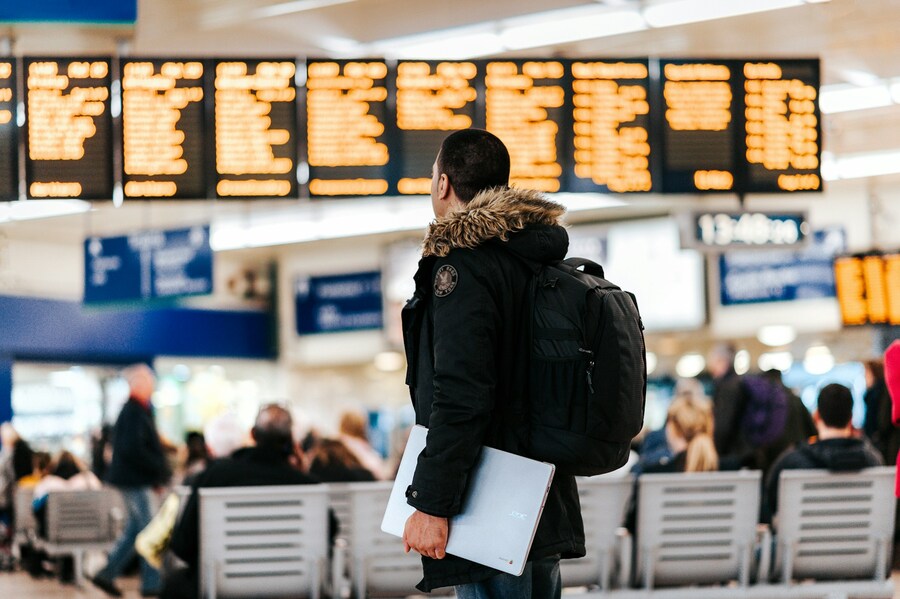
There are non-negotiable moments when you should resist the gate check at all costs. The most obvious is when your bag contains high-value electronics, fragile items, or essential medications. While you can pull these items out and carry them in a smaller "personal item" bag, it's often more secure to keep the entire unit with you. Lithium-ion batteries, found in most laptops and power banks, are actually prohibited from checked luggage due to fire risks, making it legally necessary to keep them in the cabin.
Moreover, if your itinerary involves multiple connections with different airlines or short layover times, the probability of your bag failing to make the transfer increases exponentially. In these high-risk scenarios, the carry-on is your insurance policy. If your flight is delayed and you're rebooked on a different carrier, having your bag in your hand ensures you have your belongings regardless of where the airline sends you. If an agent insists on checking your bag, politely remind them of the fragile or essential nature of the contents. Often, if you can demonstrate that the bag fits the legal dimensions, they'll move on to a more compliant passenger.
Preparation for the worst-case scenario
Whether you volunteer or are forced to check your bag, preparation is the key to maintaining your peace of mind. A seasoned traveler never waits for the gate announcement to organize their essentials. Your "personal item" – the small backpack or tote that fits under the seat – should always contain a "survival kit." This includes your passport, medications, a charging cable, and perhaps a change of clothes. If your main bag is gate-checked and subsequently delayed, this kit ensures that your first 24 hours at your destination aren't a total disaster.
Digital tracking has also revolutionized the gate-check gamble. Placing a Bluetooth or GPS tracking tag inside your suitcase allows you to monitor its location in real-time. There's a unique sense of relief in seeing your bag's location update to "onboard" while you're sitting in your seat. Conversely, if the bag doesn't make the flight, you'll know long before you reach the empty baggage carousel, allowing you to head straight to the luggage service desk and beat the crowd. This technology has shifted the power balance back toward the traveler, making the gamble feel much less like a blind bet.
Advanced logistics and ground transportation
The complexities of air travel don't end when the wheels touch the tarmac. Often, the decisions you make at the departure gate ripple through to the very end of your journey, affecting how quickly you can exit the airport and reach your final destination. For those who frequently fly into major hubs for business or quick turnarounds, the efficiency of ground transit is just as vital as the flight itself. This is particularly true in busy metropolitan areas where airport layouts can be sprawling and confusing.
When planning a trip through a busy mid-western hub like Chicago, for example, the total travel time is often dictated by how well you managed your logistics before leaving home. If you have successfully avoided a gate check, you can bypass the carousel and head straight for the exit. For many, this means a quick transition to their vehicle to beat the city's notorious traffic. Savvy travelers know that securing a spot through various MDW parking deals can save significant time and money. By choosing the right MDW Airport parking option ahead of time, you ensure that once you step off the plane with your carry-on in hand, your transition from the terminal to the highway is seamless, avoiding the long waits for shuttles or the surge pricing of ride-share services that often plague those who didn't plan their ground game.
The art of the polite refusal
If you find yourself in a situation where you absolutely must keep your bag but the agent is being insistent, the "art of the ask" comes into play. Instead of being confrontational, try asking if there's any space left in the very back of the plane or if you can "try" to find a spot with the understanding that you'll bring it back to the jet bridge if you fail. Often, agents are just trying to meet a quota of checked bags to speed up the process. If you're polite and demonstrate that you're an experienced traveler who can stow a bag quickly, they may let you through.
Another tactic is to highlight the "personal item" status. If your bag is a soft-sided duffel or a slightly smaller backpack, emphasize that it can fit under the seat in front of you if the overhead bins are full. Most gate agents will appreciate the flexibility. However, it's important to be honest with yourself; if your bag is clearly oversized and you're trying to "steak it" into a bin, you're contributing to the very problem that causes delays for everyone. True travel hacking is about efficiency, not selfishness.
Conclusion
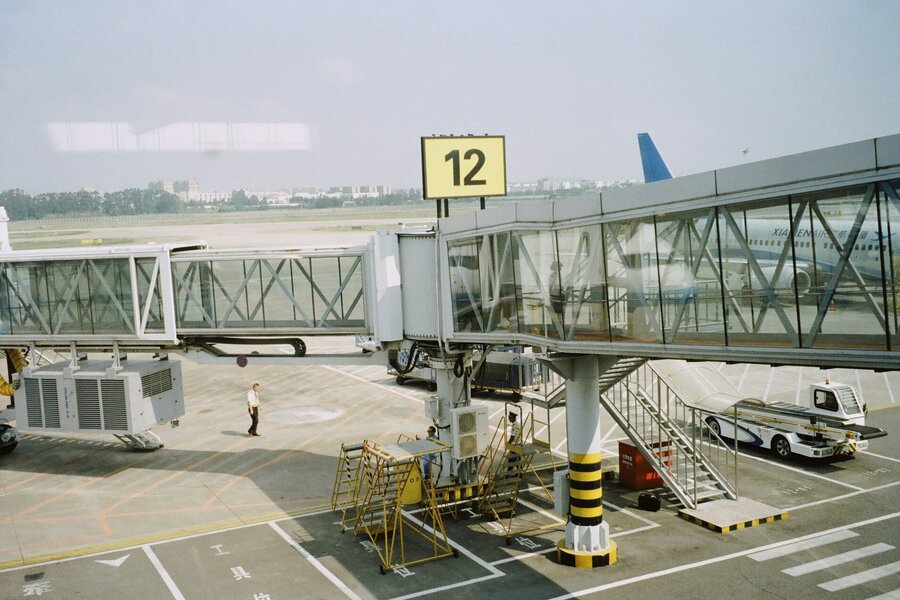
The "Gate Check" Gamble is ultimately a test of a traveler's adaptability. There's no one-size-fits-all answer because the variables of air travel are in a constant state of flux. The most successful passengers are those who arrive at the gate with a plan but remain flexible enough to pivot when the situation demands it. By understanding aircraft specifications, airline tiers, and the logistical hurdles of ground transportation, you turn a moment of potential stress into a calculated decision.
Whether you choose to fight for that overhead bin space to ensure a quick exit or volunteer your bag to enjoy a hands-free journey, the goal is always the same: to reach your destination with your belongings and your sanity intact. In the modern era of flight, the carry-on bag is a tool, and knowing when to keep it close and when to let it go is the hallmark of a truly sophisticated traveler. As you prepare for your next flight, remember that every choice – from where you park your car to how you handle the boarding call – is a piece of a larger puzzle. Master these small details, and you'll find that the world becomes a much smaller, and much more manageable, place!


