

Modern air travel has become an exercise in endurance, often testing the patience of even the most seasoned globetrotters. Between the tightening security protocols, the shrinking legroom, and the unpredictable nature of flight schedules, the logistical hurdles are plenty. However, one of the most consistent points of friction for travelers is the culinary desert found within terminal gates. We have all stood before the glowing neon signs of an airport newsstand or a fast-food franchise, staring at a plastic-wrapped sandwich that costs as much as a checked bag and offers the nutritional value of a cardboard box. This is where the concept of "Grocery Store Tourism" enters the fray, transforming the way we perceive the pre-flight ritual. It isn't merely a method of saving a few dollars; it's a strategic philosophy that prioritizes wellness, local immersion, and fiscal responsibility before you even reach your boarding group.
By adopting the "Shelf Discovery" hack, travelers shift their focus from the high-markup convenience of the airport to the bounty of local supermarkets located just outside the airport perimeter or near their starting point. This practice treats the local grocery store as a cultural destination – a place to discover regional flavors and high-quality staples that survive the rigors of a pressurized cabin. As we navigate a world where travel costs continue to fluctuate, mastering the art of the supermarket haul is the ultimate power move for the modern passenger. It allows for a customized dining experience at 35,000 feet, free from the constraints of salt-laden airline meals or the meager offerings of a snack trolley.
So, how can you master the art of shelf discovery to revolutionize your in-flight dining?
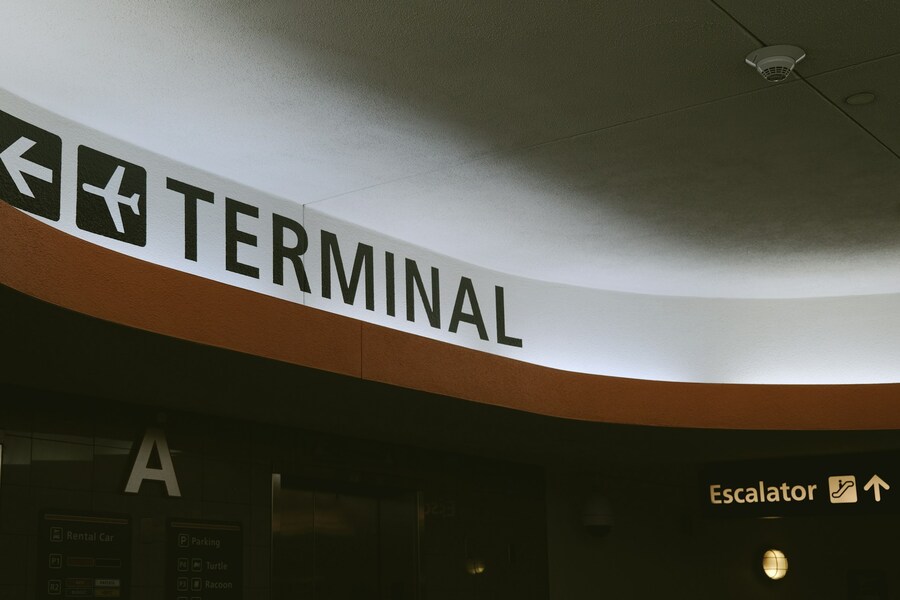 Source: Cari Kolipoki/Unsplash
The journey to better airport snacking begins long before you clear the TSA checkpoint. To truly master "Shelf Discovery," one must look at a grocery store not as a chore, but as a treasure map. The goal is to identify items that are portable, nutrient-dense, and compliant with aviation security regulations. When you step into a local market in a new city or even your hometown, you're looking for the intersections of durability and flavor. This means bypassing the fragile berries that will crush in your carry-on and steering toward the robust apples, snap peas, and Persian cucumbers. These items provide the hydration and crunch often lacking in processed airport food.
The science of selection for high-altitude digestion
Atmospheric pressure and low humidity inside an airplane cabin significantly affect our sense of taste and our digestive efficiency. Studies have shown that our perception of salt and sugar drops by nearly thirty percent when we're at cruising altitude. This is why airline food is notoriously over-seasoned. By selecting your own snacks through the "Shelf Discovery" method, you can opt for naturally bold flavors that don't rely on excessive sodium. Think of aged hard cheeses, which are more stable at room temperature than soft bries, or smoked almonds that provide a savory hit without the bloat-inducing salt levels of airport pretzels.
Moreover, digestion slows down when the body is sedentary for long periods. Choosing high-fiber options from the grocery aisle, such as roasted chickpeas, lentil-based crackers, or high-protein jerky, helps maintain energy levels without the "sugar crash" associated with terminal candy bars. The "Shelf Discovery" hack encourages looking for "single-ingredient" snacks – foods that haven't been heavily processed – ensuring that your body remains fueled and comfortable throughout a long-haul journey.
Navigating the liquid and gel restrictions with precision
One of the biggest hurdles in grocery store tourism is the "liquids, aerosols, and gels" rule. However, savvy travelers know that the definition of a liquid can be navigated with the right purchases. Solid foods are almost always permitted. This means that while a tub of hummus might be confiscated if it's over 3.4 ounces, a pre-packaged snack box containing a small, compliant sealed portion of dip alongside crackers is often waved through. Alternatively, buying dry mixes or "just add water" options like high-quality oatmeal cups or miso soup packets allows you to utilize the free hot water provided by flight attendants, giving you a warm, comforting meal for a fraction of the price of a terminal bistro.
Fresh produce is also a strategic win. While you must be mindful of customs regulations if traveling internationally (always consume your fresh fruits and vegetables before landing in a new country), for domestic flights, they're the gold standard. A bag of baby carrots or a container of cherry tomatoes provides much-needed moisture in the dry cabin air. The "Shelf Discovery" hack suggests looking for "dry" fruits like apricots or figs as well, which offer concentrated energy and fiber without the mess of juicier varieties.
Curating a cultural experience through local aisles
One of the most joyful aspects of "Grocery Store Tourism" is the ability to sample local culture at local prices. If you're flying out of a Mediterranean hub, your "Shelf Discovery" might involve local olives, artisanal flatbreads, and regional nuts. If you're in East Asia, it might be unique seaweed snacks or dried seafood. This transforms the pre-flight shopping trip into an extension of the vacation itself. Instead of a generic bag of chips from a terminal kiosk, your seat-back pocket becomes a curated tasting menu of the region you just visited.
This approach also serves as a brilliant way to use up remaining local currency. Airport exchange bureaus often offer poor rates, but a local supermarket will take your last few coins and notes in exchange for high-quality chocolate, local honey (if under the size limit), or unique spice blends that make for excellent, lightweight souvenirs. By the time you reach the gate, you aren't just a passenger; you're a connoisseur of the local "Shelf Discovery" scene.
Tactical packing: the "snack kit" architecture

The effectiveness of the "Shelf Discovery" hack relies heavily on how you organize your finds. Investing in a dedicated, collapsible cooler bag or a high-quality silicone reusable pouch is essential. These take up almost no space when empty but protect your groceries from the chaos of a stuffed backpack. Experienced grocery tourists often pack a few empty zip-top bags to portion out bulk purchases like trail mix or clusters of grapes.
Another pro-tip within the "Shelf Discovery" framework is the "bento box" method. By purchasing a variety of items – some protein, some crunch, some sweet – you can assemble a balanced meal that rivals any business-class platter. Hard-boiled eggs (available pre-peeled in many modern grocery stores), individual cheese portions, and whole-grain crackers form a protein-rich base that keeps hunger at bay far longer than a slice of airport pizza ever could.
Environmental and ethical benefits of outside sourcing
Beyond the personal health and financial benefits, sourcing your snacks from local grocery stores often has a lower environmental impact. Airport vendors rely on massive supply chains and heavy amounts of single-use plastic packaging designed for rapid turnover. When you shop at a grocery store, you have the option to choose products with less packaging or to buy in bulk using your own reusable containers. This small shift contributes to a more sustainable travel ecosystem, reducing the mountain of waste generated by the millions of passengers passing through terminals every day.
Moreover, supporting local grocery stores keeps money within the local economy rather than funneling it into the pockets of global airport concession conglomerates. It's a way to remain connected to the community you're visiting, even in the final hours of your trip. The "Shelf Discovery" hack is as much about being a conscious traveler as it's about finding the best price for a bag of pistachios.
Maximizing the value of your pre-flight logistics
As you plan your route to the terminal, integrating a stop at a grocery store can be seamless if you manage your logistics correctly. Many travelers find that arriving at the airport area 20 minutes earlier than usual provides ample time to visit a nearby supermarket. This is particularly effective when you're managing your own transportation or utilizing long-term parking facilities. If you're flying out of Idaho, for instance, you might find that checking for IDA Airport parking options in advance allows you to save enough on your stall fees to fund an entire week's worth of high-end grocery snacks. Utilizing specialized sites to find IDA parking deals ensures that your vehicle is secure and your budget remains intact, giving you the peace of mind to focus on your "Shelf Discovery" mission. Taking care of these stationary costs early is the cornerstone of a stress-free departure.
The psychological advantage of the prepared traveler
There's a significant psychological benefit to boarding a plane knowing you have a bag full of delicious, healthy food. Travel anxiety is often exacerbated by the feeling of losing control – over your time, your personal space, and your diet. By taking charge of your nutrition through "Shelf Discovery," you reclaim a sense of agency. You're no longer at the mercy of the airline's catering schedule or the limited (and often closed) options at a late-night layover.
This preparation also helps mitigate the "hangry" phenomenon that leads to irritability and poor decision-making during travel. When a flight is delayed on the tarmac, the passenger who has a stash of grocery-store almonds and a crisp apple is much more resilient than the passenger who was counting on the beverage service to start. In the high-stakes environment of modern aviation, your snack bag is your safety net.
The bottom line
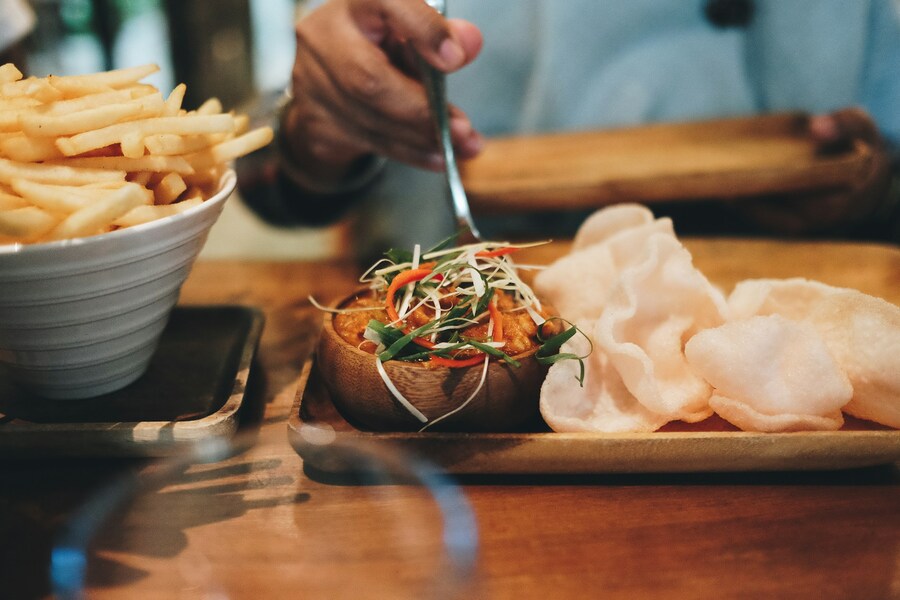
The "Shelf Discovery" hack is more than just a clever way to avoid paying five dollars for a bottle of water; it's a fundamental shift in the traveler's mindset. It encourages us to slow down, explore the local landscape, and treat our bodies with respect, even when we're in transit. By opting for grocery store tourism, you bypass the inflated prices, poor quality, and limited variety of airport concessions. You gain the ability to customize your meals to your dietary needs, whether you're keto, vegan, or simply looking for a low-sodium experience.
As we look toward the future of travel, the most successful passengers will be those who prioritize flexibility and self-sufficiency. The airport environment is designed to encourage impulse spending on low-value goods, but the "Shelf Discovery" practitioner sees through the marketing. They know that the best "travel hack" isn't a secret lounge entrance or a hidden upgrade trick – it's the simple, deliberate act of walking into a local market and choosing real food. So, on your next journey, skip the terminal food court and head for the produce aisle. Your wallet, your waistline, and your wanderlust will thank you!


