

The modern aircraft cabin is an acoustically hostile environment where engine roars and passenger chatter make rest nearly impossible. While many travelers chase the illusion of total silence through basic noise cancellation or physical earplugs, savvy flyers are shifting toward psychoacoustic sound masking. By combining passive isolation, active electronic cancellation, and the strategic use of white noise, you can create a predictable auditory sanctuary that protects your nervous system from mid-flight fatigue. This travel guide explores the sophisticated synergy of hardware and science needed to master your environment and transform long-haul travel into a restorative experience. Ready to find your zen?
How can you master the complex auditory landscape of high-altitude flight?
 Source: Aliaksei Lepik/Unsplash
The quest for a peaceful flight begins with the fundamental understanding that not all sounds are created equal in the eyes of your brain. In an airplane cabin, you're dealing with a vast spectrum of noise ranging from the deep, vibrational hum of the fuselage to the sudden, high-pitched shriek of a galley cart or the metallic snap of an overhead bin closing. To truly conquer this environment, one must employ a multi-layered defense strategy that balances physical barriers, active wave manipulation, and psychological sound conditioning. It isn't enough to simply wear headphones; one must understand how those headphones interact with the specific frequencies produced by a jet engine and how the human brain interprets those frequencies over a twelve-hour journey.
The foundation of passive isolation and physical barriers
Passive isolation remains the most reliable method for protecting your hearing because it relies on physical density rather than electronic processing. By placing specialized materials like memory foam ear tips or high-density foam pads between your eardrum and the cabin, you create a hermetic seal that blocks high-frequency sounds which active systems often miss. This physical barrier serves as the essential foundation of your acoustic strategy; without a proper seal to prevent sound leakage, even the most advanced cancellation technology will feel inadequate. By establishing this controlled internal chamber first, you significantly reduce the overall decibel load and create a stable environment for additional masking tools to function effectively.
The engineering logic of active noise cancellation
Why white noise trumps the pursuit of absolute silence
This is the specific point where white noise enters the equation as a critical and often misunderstood travel hack. While ANC creates a vacuum by removing the heavy low-end roar, it often leaves behind a psychological "pressure" sensation, sometimes referred to as "eardrum suck." Moreover, by removing the background drone, the ANC actually makes the remaining mid-range sounds – like the clinking of silverware or the muffled voices of flight attendants – seem even sharper, more distinct, and more intrusive.
White noise, along with its deeper spectral cousins pink and brown noise, functions by raising the "noise floor" of your environment. By introducing a steady, unvarying, and pleasant hum that contains all audible frequencies at once, you effectively mask the erratic peaks of the cabin environment. Psychologically, the human brain is biologically wired to notice changes in sound rather than the presence of sound itself. When you use white noise, you create a consistent, predictable auditory blanket. A sudden announcement from the pilot or the crinkle of a snack bag becomes far less jarring because the "distance" between the ambient sound floor and the sudden noise peak is significantly reduced. In essence, white noise doesn't just make things quieter in a literal sense; it makes the environment more predictable, allowing the brain's vigilance centers to finally switch off and enter a state of deep relaxation or restorative sleep.
Choosing the right frequency for your personal ear profile
It's important to recognize that not all "static" or "hiss" is created the same. While "white noise" is the most common catch-all term used by the public, many travelers find it a bit too "bright" or "hissy" because it possesses equal power across all frequencies, including the higher registers. For many, this can become irritating over several hours. This is why many experts recommend pink noise, which has more power at lower frequencies and sounds more like steady rainfall or the rustle of leaves in the wind. This frequency distribution is often perceived as more natural and soothing to the human ear over long durations.
For those who want an even deeper, more immersive experience, brown noise (or red noise) is the gold standard. Brown noise mimics the deep, rolling sound of a distant thunderclap, a heavy waterfall, or a deep ocean roar. It lacks the sharp "hiss" of white noise entirely, making it perfect for masking the deep vibrations of a plane while providing a cozy, enveloping soundscape. Experimenting with these various "colors" of noise via dedicated mobile apps or high-bitrate offline files before your flight allows you to tailor your environment to your specific sensory needs. This ensures that your auditory "shield" is as comfortable as it's effective, preventing the sensory overload that often leads to travel-related headaches and irritability.
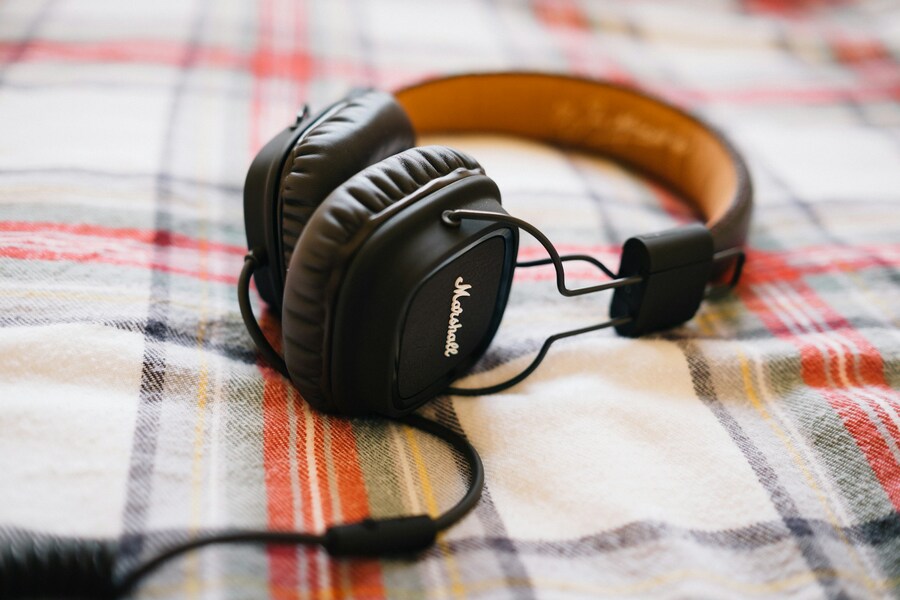
Source: Daniel Gaffey/Unsplash
The synergy of hardware and software: the triple-layer approach
The ultimate air travel hack for the year 2026 is what professionals call the "sandwich method" of sound management. This involves a sophisticated, multi-layered approach that handles every aspect of the acoustic challenge. First, you start with high-quality, medical-grade silicone or memory foam in-ear monitors (IEMs) that provide excellent passive isolation. Second, you place high-end over-ear ANC headphones directly over the IEMs. Finally, you play a looped track of high-fidelity brown or pink noise through the IEMs.
This triple-threat approach handles every layer of the cabin's acoustic profile with surgical precision. The physical mass of the IEMs and the headphone cups block the high-frequency hiss and whistling of the air vents. The ANC electronics work to negate the deep, structural engine rumble that vibrates through the floor and walls. Finally, the brown noise masks the unpredictable human element, such as coughing, sneezing, or chatter. This creates a personalized, portable sanctuary that's far superior to what any single device – no matter how expensive – could ever hope to provide on its own. It allows the traveler to exist in a "bubble" of their own making, independent of the chaos occurring just inches away.
Strategic planning for seamless arrivals and reduced stress
Beyond the micro-environment of the aircraft cabin, mastering the art of modern travel requires a holistic view of the entire journey, including the crucial transitions between your home and the airport gate. One of the most frequently overlooked sources of travel fatigue is the logistical friction associated with ground transportation and vehicle management. Just as you optimize your seat comfort and your auditory environment, you must optimize your arrival at the terminal to ensure your heart rate remains low.
Stress is cumulative; a frantic search for a parking spot 30 minutes before your flight can ruin the relaxation benefits of even the best noise-canceling setup. If you're flying out of a major hub like Tampa, for example, securing your logistics ahead of time is a vital component of the "calm travel" philosophy. Utilizing specialized digital services to find the most competitive TPA parking deals ensures that your transition from the driver's seat to the terminal entrance is as quiet, predictable, and efficient as your high-end audio configuration. By taking a few moments to check the latest availability and rates for TPA Airport parking, travelers can completely bypass the chaotic, noisy hunt for a space in a crowded garage. This allows you to begin your mental and auditory isolation journey the very moment you turn off your car engine, arriving at the security checkpoint with a sense of calm that will carry through the entire flight.
Maintaining your equipment for peak acoustic performance
The effectiveness of your noise-management strategy relies heavily on the physical condition of your equipment, as worn headphone cushions or clogged in-ear tips create "sound leaks" that compromise both passive isolation and electronic cancellation. To ensure peak performance, perform a thorough gear inspection several days before your trip, replacing any degraded pads or tips to restore a hermetic seal. In addition, always download your white noise tracks for local, offline playback and ensure all devices are fully charged; relying on unstable in-flight Wi-Fi can lead to immersion-breaking buffering that leaves you vulnerable to the cabin's roar.
The role of hydration and comfort in sound perception
While it may seem unrelated, your physical state significantly impacts how you perceive sound. Dehydration can lead to increased sensitivity to noise and a lower threshold for irritation. When the body is stressed or thirsty, the brain's ability to filter out "background" information is diminished, making the engine roar feel even more oppressive. Combining your auditory strategy with a strict hydration schedule and the use of ergonomic neck supports further enhances the effectiveness of your white noise. When your body feels supported and hydrated, your brain is much more willing to "accept" the artificial soundscape you have created, leading to a deeper state of relaxation. This holistic approach ensures that you aren't just fighting the noise, but you're supporting your entire sensory system against the unique pressures of high-altitude travel.
Conclusion

Source: Amy Tran/Unsplash
Mastering flight comfort means abandoning the quest for absolute silence and embracing the science of sound masking. By layering passive isolation, active noise cancellation, and strategic white noise, you create a restorative sanctuary that shields your nervous system from the chaos of travel. Integrating this with external logistical planning – like securing parking deals and maintaining your gear – transforms a grueling journey into a seamless, intentional experience. When you manage the invisible waves of energy around you, you arrive not just on time, but refreshed and ready for your next adventure. May your future travels be incredibly quiet and peaceful!


