

The modern aviation industry is a marvel of human engineering, yet it remains one of the most significant contributors to single-use plastic waste on a global scale. From the moment a traveler enters the terminal to the second they step off the aircraft, they are bombarded with disposable convenience: plastic-wrapped boarding passes, shrink-wrapped suitcases, miniature water bottles, and the ubiquitous plastic cutlery that accompanies in-flight meals. While the industry has made strides in fuel efficiency and carbon offsetting, the tangible footprint of plastic waste generated by millions of daily passengers continues to clutter landfills and oceans. Achieving a zero-waste journey in an environment designed for disposability requires a shift in mindset, transitioning from a passive consumer to an intentional strategist. It isn't merely about saying "no" to a straw; it's about redesigning the entire travel ritual to ensure that your presence in the sky leaves no permanent mark on the earth. So, let's take off!
How can travelers effectively navigate the plastic-heavy infrastructure of modern aviation?
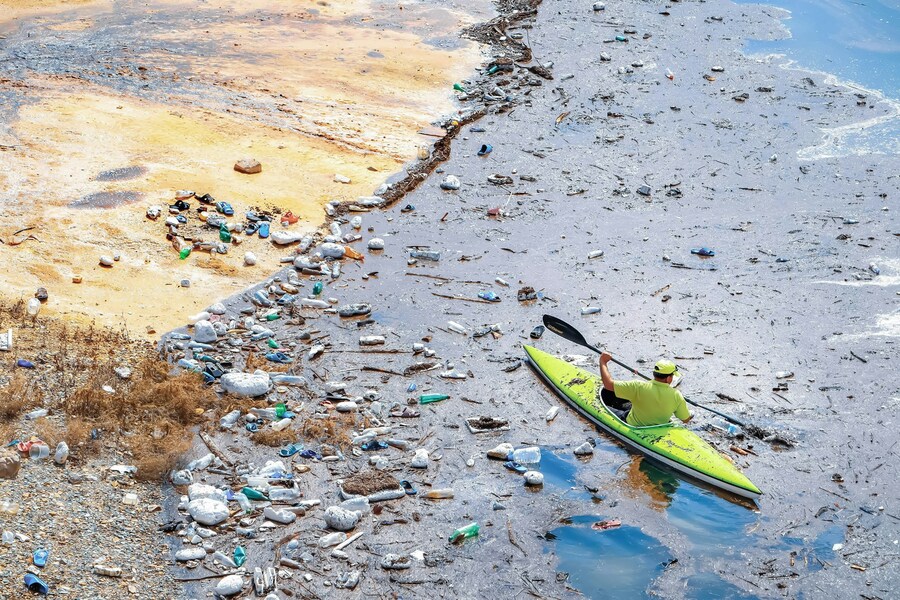 Source: Fayegh (Shamal) Shakibayi/Unsplash
The primary challenge of zero-waste flying lies in the "convenience trap" built into every layer of the airport experience. To bypass this, one must view the airport and the aircraft as resource-scarce environments where self-reliance is the only path to sustainability. This begins long before you arrive at the terminal. Preparation is the cornerstone of waste-free travel, shifting the burden of production from the airline to the individual. By taking control of your supplies, you essentially opt out of the waste cycle that has become standard practice in the sky.
The pre-flight preparation phase
The battle against plastic begins in your own kitchen and closet. A common mistake travelers make is assuming they can find sustainable alternatives at the airport. In reality, airport vendors are incentivized toward high-speed, high-waste transactions. Therefore, the first rule of zero-waste flying is to pack a comprehensive "transit kit." This kit should center around high-quality, lightweight durables that replace their flimsy plastic counterparts. A stainless steel or high-grade silicone water bottle is non-negotiable, but its utility depends on your knowledge of the terminal's infrastructure. Most major hubs have now installed high-tech water filtration stations, allowing you to bypass the five-dollar plastic bottles sold at newsstands.
Beyond hydration, food packaging is the most significant source of cabin waste. Airlines often wrap every component of a meal – bread, butter, salad, and main – in individual plastic films. To avoid this, seasoned zero-waste travelers prepare nutrient-dense, dry snacks or meals in beeswax wraps or stainless steel containers. Solid foods are generally permitted through security, provided they aren't "liquid-adjacent" like thick stews or dips. By bringing your own sustenance, you not only eliminate plastic but also gain control over your nutrition, avoiding the high-sodium, preservative-heavy fare typical of economy class.
Redefining personal care in transit
The bathroom of an aircraft is a graveyard of micro-plastics, from the tiny cups used for rinsing to the individually wrapped moist towelettes. Transitioning to a zero-waste hygiene routine requires a move toward solid products. Solid shampoo bars, toothpaste tabs, and cardboard-packaged deodorants are game-changers. Not only do they eliminate plastic packaging, but they also simplify the security screening process by reducing the number of liquids in your carry-on. Instead of plastic-packaged wet wipes, carry a small organic cotton flannel in a waterproof pouch; it can be dampened in the terminal restroom to provide the same refreshing effect without the environmental cost of synthetic fibers.
When it comes to comfort, avoid the airline-provided blankets and pillows. These are frequently laundered and resealed in thick plastic film for every flight. Carrying a lightweight bamboo shawl or a packable down jacket serves the same purpose and ensures you aren't contributing to the demand for these single-use plastic wrappings. If you require an eye mask or earplugs, invest in high-quality, reusable versions made from natural silk or silicone, rather than relying on the foam and plastic kits distributed on long-haul routes.
Strategic consumption inside the terminal
Once you cross the threshold of the security gate, you enter a high-pressure retail environment. Even the most well-prepared traveler might find themselves needing a hot beverage or a quick snack. The key here is proactive communication. If you're ordering a coffee, present your own reusable insulated mug before the barista reaches for a paper cup (which is almost always lined with polyethylene plastic). In the event you forgot your mug, choosing to sit down at a "dine-in" restaurant rather than a "to-go" kiosk allows you to use ceramic plates and metal cutlery, effectively outsourcing the washing process to the airport's industrial dishwashers rather than the landfill.
Shopping in duty-free areas presents another set of challenges. Items are often over-packaged and placed in thick plastic "security-tamper-evident" bags. If you must make a purchase, decline the bag if the local regulations allow, or choose products packaged in glass or aluminum, which have higher recycling rates than plastic. However, the truest form of zero-waste travel is the refusal of unnecessary consumption. The airport is a place of transition, not a shopping mall, and treating it as such reduces the likelihood of impulse buys that come wrapped in layers of non-recyclable film.
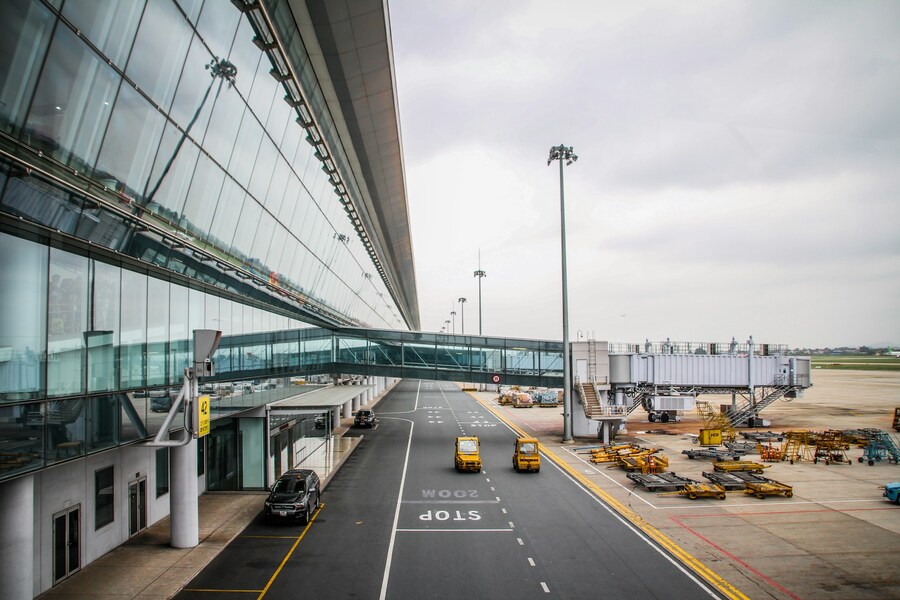
Source: T.H. Chia/Unsplash
Navigating the in-flight experience
The most difficult stage of the journey is the flight itself, where you're confined to a seat and subject to the airline's service protocols. When the beverage cart rolls down the aisle, the default action of the flight attendant is to hand you a plastic cup. To prevent this, have your reusable bottle or cup ready and clearly visible on your tray table. A polite but firm, "I have my own cup, thank you," usually suffices. If you're traveling on an airline that provides a full meal service and you haven't brought your own food, you can still mitigate waste by refusing the plastic-wrapped cutlery pack and using the bamboo or titanium set you brought from home.
It's also helpful to consider the digital aspect of waste. Paper boarding passes and luggage tags contribute to the "hidden" waste of travel. Utilizing mobile boarding passes and digital bag tags (where available) removes the need for thermal paper, which is often coated in chemicals that make it unrecyclable. While these are small steps, the cumulative effect of thousands of passengers opting for digital solutions significantly reduces the paper and plastic waste generated at check-in counters.
The logistics of waste management
Even with the best intentions, you may occasionally find yourself with a piece of waste – perhaps a receipt or a necessary medication blister pack. The zero-waste philosophy suggests that you should take this waste with you. Airline waste management systems are notoriously inefficient; due to international health regulations, much of the cabin waste from overseas flights is required to be incinerated rather than recycled. By carrying your own small trash back to a facility where you know it can be properly processed or composted, you maintain the integrity of your zero-waste goal.
One often overlooked aspect of the journey is the commute to the airport itself. How you arrive at the terminal sets the tone for the rest of your trip. Using public transit or shared electric shuttles reduces the overall environmental footprint, but for many, driving remains a necessity. If you find yourself flying out of South Florida, for instance, you can integrate sustainability into your logistics by choosing parking providers that offer digital check-ins and paperless receipts. Finding MIA parking deals through online platforms allows you to compare options that fit your budget while maintaining your commitment to a streamlined, digital-first travel experience. Choosing a well-managed parking facility at Miami International Airport (MIA) can reduce the stress of the "first mile" of your journey, ensuring you arrive at the terminal composed and ready to manage your zero-waste protocols.
Overcoming social friction and advocacy
Traveling zero-waste can sometimes feel like swimming against a very strong current. You may encounter confused looks from flight attendants or impatience from fellow passengers. It's important to remember that your actions serve as a quiet form of advocacy. By demonstrating that it's possible to travel comfortably without plastic, you're challenging the status quo. When people see you using a cloth napkin or a glass straw, it opens up a dialogue about the feasibility of sustainable travel.
Moreover, you can extend your impact by providing feedback to the airlines. After your flight, send a brief note to the company's customer service or tag them on social media, praising their efforts where they exist (such as the removal of plastic stirrers) and encouraging them to switch to compostable or reusable alternatives for meals. Airlines are highly sensitive to consumer trends, and as the demand for plastic-free skies grows, the infrastructure will eventually shift to accommodate it.
Conclusion

Source: Mika Ruusunen/Unsplash
Zero-waste flying isn't an all-or-nothing endeavor; it's a discipline of conscious choices. While the aviation industry is currently designed around the convenience of disposables, the individual traveler holds the power to reject that model. By investing in a high-quality travel kit, preparing meals in advance, and navigating the airport with a discerning eye, you can significantly reduce your environmental impact. The goal is to reach your destination having enjoyed the wonders of global travel without leaving behind a trail of plastic that will outlive your lifetime. As more travelers adopt these habits, the industry will be forced to evolve, moving us closer to a future where the beauty of the world we fly over isn't compromised by the waste we leave in our wake. Every refill of a bottle and every refusal of a plastic tray is a vote for a cleaner, more sustainable way to explore our planet. May your future journeys be filled with wonder, and may you leave nothing behind but the lightest of footprints and the best of memories!


