

The modern airport experience has undergone a radical transformation. What was once a simple gateway to the skies has evolved into a complex ecosystem of luxury, convenience, and occasional frustration. For the frequent traveler, the airport lounge represents the ultimate sanctuary – a place where the chaotic hum of the terminal is replaced by the soft clinking of glassware and the reliable hum of high-speed internet. However, as travel demand continues to surge and cabin classes become increasingly segmented, the traditional rules of lounge access are being rewritten. Travelers are no longer just asking how they can get in before their flight; they are increasingly curious about what happens after the wheels touch the tarmac. The concept of the "arrival lounge" has become a focal point for those looking to maximize their travel efficiency, yet it remains one of the most misunderstood perks in the aviation world.
Understanding how to navigate these spaces requires more than just a premium credit card or a shiny frequent flyer status. It requires a strategic approach to the entire journey, from the moment you book your ticket to the moment you clear customs. Many travelers assume that once they land, their relationship with the airline's ground services concludes immediately. This assumption often leads to missed opportunities for refreshment, productivity, and comfort. Whether you're a business professional needing to head straight to a meeting or a vacationer trying to bridge the gap between an early morning landing and a late afternoon hotel check-in, mastering the art of arrival access is a game-changer. This travel guide explores the intricate mechanics of post-flight luxury and the broader spectrum of air travel hacks that define the modern premium experience. So, are you ready for takeoff into the world of arrival hacks?
How can travelers master the art of post-flight comfort and arrival access?
 Source: Erik Odiin/Unsplash
The primary question facing the weary traveler upon landing is whether the sanctuary of the lounge is still accessible. Historically, lounges were designed strictly for departures, serving as a holding pen for those waiting to board. However, the rise of "Arrivals Lounges" has shifted this paradigm. These specific facilities are distinct from standard departure lounges and are strategically placed after immigration and customs in many international hubs. Their purpose is hyper-functional: providing showers, breakfast, and suit-pressing services for passengers arriving on long-haul red-eye flights. Access to these spaces is notoriously exclusive, often reserved for those flying in international First or Business Class on specific carriers. Unlike departure lounges, you cannot usually buy your way into an official airline arrivals lounge with a standard economy ticket, even if you hold a mid-tier status.
However, the "surprise" for many travelers lies in the clever use of standard departure lounges as arrival spaces. In many domestic terminals, or within the Schengen area in Europe, arriving and departing passengers share the same airside space. If you aren't required to clear customs or exit a secure area immediately, your boarding pass from the flight you just exited – or a membership like
Navigating the logistics of transit and terminal design
To effectively use a lounge upon arrival, one must understand the architectural layout of the hub in question. Not all airports are created equal. For instance, many large international hubs are designed with "sterile" arrivals, where passengers are funneled directly toward immigration without any physical access to the departure gates. In these environments, unless there's a dedicated landside arrivals lounge, you're effectively locked out of the premium experience the moment you step off the jet bridge. Conversely, at airports where the flow is mixed, the terminal is your oyster.
Strategic travelers often study terminal maps before they land. By knowing which lounges are near their arrival gate, they can determine if a quick visit is feasible. It's also important to note the specific policies of lounge networks. While some independent lounges allow access "on arrival," others have strict "within three hours of departure" rules encoded into their digital check-in systems. Carrying a physical membership card rather than relying solely on a digital app can sometimes help when navigating these grey areas with lounge staff, as it presents a more established traveler profile.
The evolution of digital tools in modern air travel
The digital landscape of 2026 has made the process of finding and accessing these spaces significantly easier. We no longer rely on paper directories or hopeful wandering. Advanced mobile applications now provide real-time data on lounge capacity, helping travelers avoid the disappointment of a "Full" sign after a long walk across a terminal. Moreover, some platforms now allow for the pre-booking of "arrival slots" in independent lounges. This is particularly useful for those who know they will have a three-hour gap before their rental car is ready or their Airbnb host is available.
Beyond lounge access, digital tools have revolutionized the way we handle the "hidden" stressors of travel. Biometric integration has streamlined the transit through security and lounge check-ins, often reducing the interaction to a simple facial scan. This technology doesn't just save time; it reduces the mental load of managing multiple documents while exhausted. For the traveler looking to hack the system, the goal is to create a seamless "digital thread" that connects every phase of the journey, ensuring that even the post-flight experience is as curated as the time spent in the air.
Maximizing value through strategic credit card portfolios
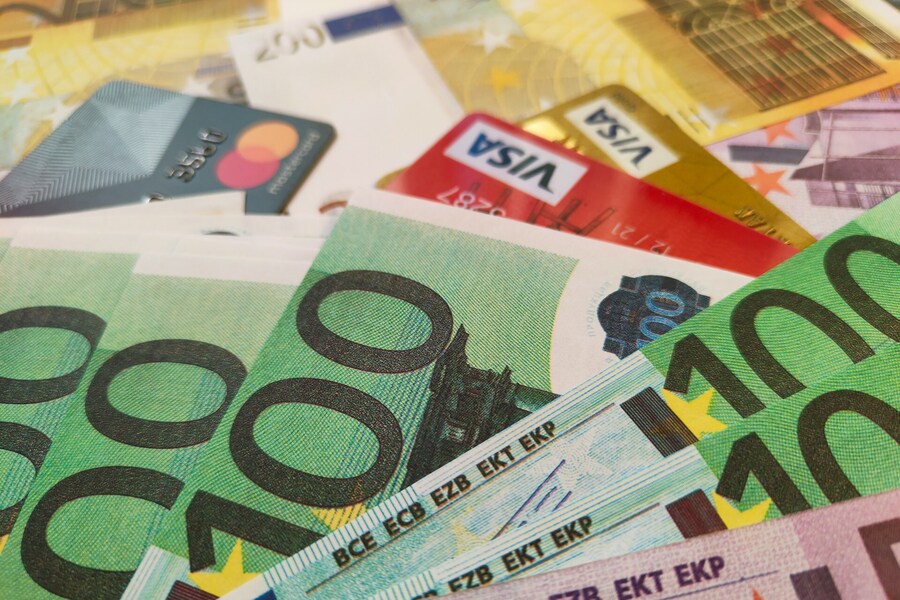
The backbone of any air travel hack strategy is the underlying financial machinery. The premium travel card market has become incredibly competitive, with issuers vying for loyalty by offering increasingly complex lounge access benefits. It's no longer enough to simply have "a" card; you need a portfolio that covers different networks. While one card might offer access to a specific airline's proprietary lounges, another might provide a comprehensive Priority Pass membership that includes credits for airport restaurants – a vital alternative when lounges are at capacity.
The real hack involves understanding the "guest policies" and "authorized user" nuances of these cards. Some high-end cards allow you to add family members as authorized users for a nominal fee, granting them their own lounge access privileges. This can be significantly cheaper than paying for individual lounge passes over the course of a year. Moreover, many of these cards now offer "lifestyle credits" that can be applied to airport transit, terminal services, or even luxury luggage shipping, allowing you to move through the airport unencumbered by heavy bags while you seek out that arrival shower.
Source: Vardan Papikyan/Unsplash
The role of airline alliances and status reciprocity
For those who fly frequently, airline status remains the gold standard for lounge access. However, the real value lies in the alliances – Oneworld, Star Alliance, and SkyTeam. Status with one airline often grants "Sapphire" or "Gold" equivalent status across the entire network. This is crucial for arrival access in international hubs. If you land in a foreign city after a flight on a partner airline, your status might grant you entry to the partner's lounge, even if your original carrier doesn't have a physical presence in that terminal.
It's worth noting that status challenges and matching programs are more prevalent than ever. If you have high status with a domestic carrier but are planning a major international trip on a different alliance, checking for a status match can unlock a world of arrival benefits that would otherwise be unavailable. These programs are often time-sensitive, so timing the "match" to coincide with your heaviest travel month is a classic pro-level maneuver.
Ground logistics and the importance of efficient transitions
While much of the focus is on what happens inside the terminal, the transition from the airport to the final destination is where many travel strategies fall apart. The "last mile" of the journey is often the most stressful. Whether it's navigating confusing ride-share apps in a foreign language or trying to locate a pre-booked shuttle, the friction of departure from the airport can undo all the relaxation gained in an arrivals lounge. This is why ground logistics are a core component of air travel hacking.
Smart travelers look for ways to minimize this friction before they even leave home. This includes everything from using "carry-on only" strategies to avoid the baggage claim wait, to pre-arranging transport that meets you at a specific exit. In many cities, the cost of a premium car service is only marginally higher than a standard taxi but provides a significantly more reliable and comfortable end to the trip. When you factor in the time saved and the reduction in stress, the value proposition becomes clear.
In many regions, the choice of departure point is just as important as the arrival strategy. For those traveling through the Southeast, for example, choosing a well-organized hub can make all the difference. Efficiency starts before you even reach the terminal. If you're flying out of Florida, finding reliable and cost-effective JAX Airport parking is a prime example of how a little bit of foresight can save money and time. Utilizing professional services to secure JAX parking deals ensures that your vehicle is safe and that your transition from the road to the runway is as smooth as possible. These small wins at the start of a trip set a psychological tone of control and ease that carries through to the arrival lounge experience.
The psychology of the sophisticated traveler
Ultimately, hacking air travel is as much about mindset as it's about miles. The sophisticated traveler understands that time is the only non-renewable resource. Spending $50 on a lounge pass or $20 on a premium parking spot isn't an "extra" expense; it's an investment in one's own productivity and well-being. This perspective allows you to navigate the complexities of modern aviation with a sense of calm. Instead of being a victim of delays or crowded terminals, you become a curator of your own experience.
This mindset also involves a level of flexibility. Sometimes the lounge is too crowded, or the arrival facility is closed for renovation. The expert traveler always has a "Plan B" – perhaps a quiet cafe in a less-trafficked terminal or a nearby airport hotel with a day-pass gym. By maintaining a toolkit of hacks and a flexible attitude, you ensure that the journey remains a pleasure rather than a chore. The "surprise" of arrival lounges is just one tool in an extensive arsenal designed to make the world feel a little smaller and a lot more comfortable.
The bottom line

The world of aviation in the mid-2020s is one of incredible opportunities for those who know where to look. While the "arrival lounge" might seem like an elusive perk reserved for the ultra-wealthy, a combination of terminal knowledge, digital savvy, and strategic credit card usage can open these doors to a much wider range of travelers. Whether you're utilizing a dedicated arrivals facility after a transatlantic flight or cleverly using a departure lounge to catch up on emails before heading into a new city, the goal remains the same: to transition from "passenger" to "professional" or "vacationer" with as much grace as possible.
True travel hacking isn't just about getting something for free; it's about optimizing every minute of the journey. From securing the best parking deals at the start of your trip to finding a hot shower upon landing, every decision contributes to a superior travel experience. As you plan your next adventure, remember that the airport doesn't have to be a place of endurance. With the right strategies, it can be a place of genuine comfort – even after you've already touched down.


