

The golden age of flight often feels like a distant memory, replaced by a modern reality of shrinking pitch, narrowing aisles, and the ubiquitous "middle seat" anxiety. For the average traveler, the dream of reclining into a lie-flat bed in a premium cabin remains just that – a dream – frequently gated behind four-figure price tags or a mountain of credit card points that take years to accumulate. However, the architecture of a modern aircraft isn't as uniform as it appears on a standard booking screen. Within the vast expanse of the economy cabin, there are hidden pockets of luxury, strategic layout anomalies, and "dead zones" that savvy travelers can exploit to create a premium experience without the premium price tag. This travel guide explores the sophisticated art of finding the "Poor Man's Business Class," transforming a standard transit into a journey of genuine comfort. So, let's pull back the curtain on the cabin map!
How can you master the modern seat map to secure maximum comfort?
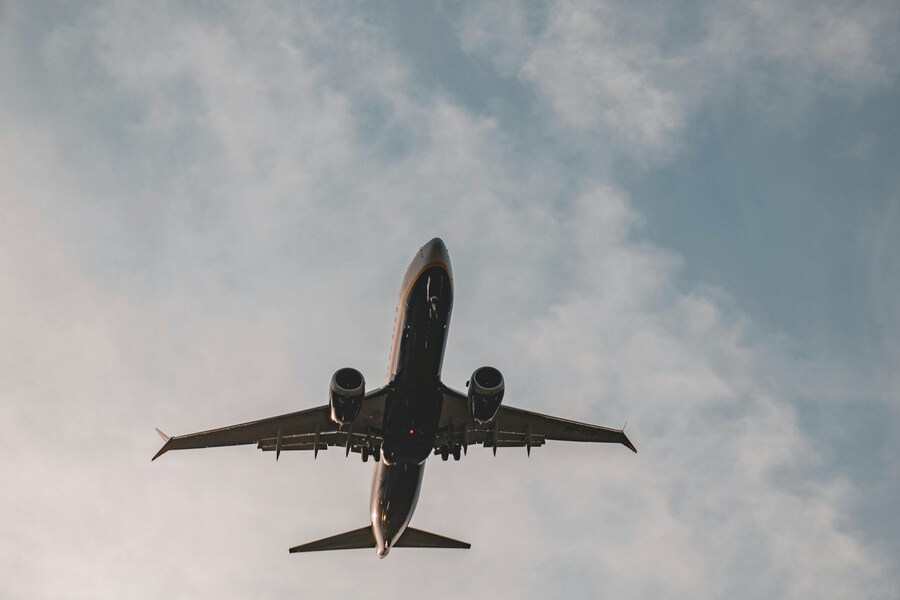 Source: Tim Dennert/Unsplash
Mastering the seat map requires a departure from the "set it and forget it" mentality of booking. Most travelers select their seat during the initial ticket purchase and never look at the layout again until they board the plane. This is a fundamental mistake. The digital landscape of a flight is a living organism; it shifts as elite frequent flyers get upgraded, as families are reshuffled by gate agents, and as the airline makes equipment swaps. To truly secure the best possible real estate, one must treat the seat map as a tactical puzzle that requires constant monitoring and a deep understanding of aeronautical design.
The psychology of the cabin layout
Understanding why certain seats are better requires looking at the plane through the eyes of an engineer rather than a passenger. Aircraft are built in modular sections, and where these sections meet – near galleys, lavatories, and emergency exits – the standard spacing often breaks down. This creates "extra-room" opportunities. For instance, the transition between cabins or the presence of a bulkhead often results in irregular legroom. While some bulkheads restrict your ability to stretch your legs fully, others are positioned far enough back to allow a person of average height to stand up without even entering the aisle.
Moreover, the curvature of the fuselage plays a significant role in your personal space. In the very back of many long-haul aircraft, the plane begins to narrow. To accommodate this, airlines often transition from a three-seat configuration to a two-seat configuration near the windows. These "duo seats" are the holy grail for couples or solo travelers who want to avoid the middle-seat squeeze. Because of the curve, there's often a generous gap between the window seat and the actual interior wall of the plane, providing extra shoulder room or a perfect nook to wedge a travel pillow for a deep sleep.
Leveraging real-time data and tools
You cannot rely on the airline's proprietary seat map alone. Airlines have a vested interest in making every seat look identical to encourage you to pay for "preferred" seating. To bypass this marketing veneer, you must utilize external databases that aggregate user reviews and historical data. These platforms highlight "yellow" and "red" seats – those with misaligned windows, restricted recline, or proximity to high-traffic areas like the toilets – which the airline would never disclose. By cross-referencing your flight number with these specialized maps, you can identify the specific row where the legroom is three inches deeper due to a galley offset.
The art of the "shadow" booking
One of the most effective "Poor Man's Business Class" hacks involves the strategic use of the middle seat. On flights that aren't fully booked, the goal is to create a "shadow" around yourself. If you're traveling as a pair, booking the window and the aisle in a three-seat row is a classic gamble. Solo travelers or families are unlikely to choose a middle seat between two occupied spots unless the flight is completely packed. If the flight remains under capacity, you end up with an entire row to yourselves, allowing one person to lie across the seats or simply providing a massive "table" in the middle for laptops and snacks. If someone does book the middle seat, they'll almost always be happy to trade for either the window or the aisle, meaning you lose nothing by trying.
Timing the "gate shuffle"
The battle for space doesn't end at check-in. The final 20 minutes before boarding are the most critical. As the gate agents finalize the manifest, they process upgrades for the highest-tier loyalty members. When a Diamond or Platinum flyer moves from Economy to Business, their "preferred" economy seat – often an exit row or a bulkhead with massive legroom – suddenly becomes vacant.
By keeping the airline's mobile app open and refreshing the seat map right before the boarding process begins, you can often snag these prime locations for free. Many airlines stop charging for "premium" economy-lite seats once the check-in window closes, as their priority shifts from revenue generation to simply filling the plane and departing on time. A quick, polite request to the gate agent – using the specific seat number you've seen open up – can result in a last-minute relocation that changes the entire trajectory of an eight-hour flight.
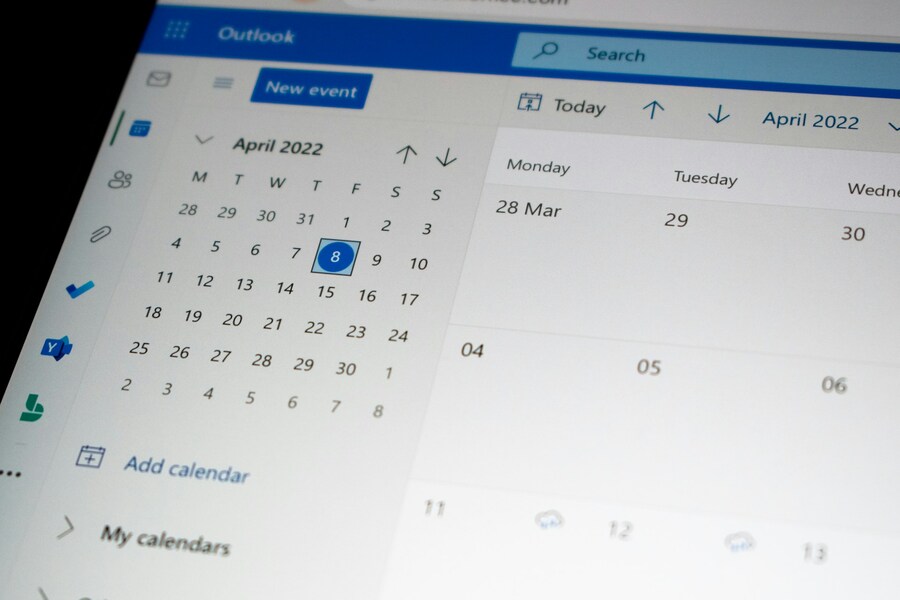
Source: Ed Hardie/Unsplash
The exit row equation
The exit row is the most obvious choice for extra room, but it comes with a set of trade-offs that require careful consideration. While the legroom is undeniably superior, these seats often have fixed armrests because the tray table is stowed inside them. This makes the seat slightly narrower than a standard economy seat. In addition, you may find yourself in a "cold zone" due to the door's insulation or lack thereof.
However, the "second" exit row is where the magic happens. In aircraft with two consecutive exit rows, the first row usually cannot recline (to avoid obstructing the path behind it). The second row, however, enjoys the massive legroom created by the exit path in front of it and the ability to recline fully. Identifying this specific row on your aircraft type is perhaps the simplest way to simulate a premium experience.
Maximizing the ground experience
The "Poor Man's Business Class" philosophy isn't just about what happens at 35,000 feet; it's about reducing friction throughout the entire travel day. This begins long before you reach the terminal. Managing the logistics of your departure can set the tone for the journey. For those flying out of South Florida, for example, the stress of navigating terminal traffic can be mitigated by looking into FLL Airport parking options in advance. Securing reliable FLL parking deals allows you to arrive at the airport with time to spare, ensuring you aren't rushing through security and can instead spend those precious pre-flight moments monitoring the seat map for last-minute vacancies. Starting the trip with a seamless transition from your car to the gate is a luxury in itself, mirroring the concierge-style service of higher fare classes.
The "last row" paradox
Common travel wisdom suggests avoiding the last row of the plane at all costs. It's noisy, it's near the bathrooms, and the seats often don't recline. However, on certain aircraft, the last row is actually a strategic goldmine. On flights that aren't full, the back of the plane is the last area to be assigned to passengers. If you see a largely empty rear section on the seat map, moving yourself to a middle seat in the very back might seem counterintuitive, but it significantly increases your odds of having the entire row to yourself. Having three seats to lie down on is arguably more comfortable than a "Premium Economy" seat that only offers a few extra inches of tilt.
Final tactical considerations
Once you have secured your "Poor Man's Business Class" seat, the work turns to environment management. Even the best seat in economy is still in economy, meaning you must bring your own "amenity kit." Investing in a high-quality, inflatable footrest can bridge the gap between your seat and the one in front, effectively creating a flat surface for your legs. Combined with noise-canceling technology and a high-quality neck pillow, the physical limitations of the seat become far less noticeable.
You should also pay attention to the "soft product" hacks. Many airlines serve special meals (Kosher, Vegan, or Halal) before the general cabin service. By ordering a special meal in advance, you ensure that you're fed early, allowing you to maximize your sleep time while the rest of the cabin is still waiting for their trays. It's these small, incremental gains – the extra legroom, the empty middle seat, the early meal, and the seamless arrival at the airport – that aggregate into a travel experience that rivals the comfort of cabins costing five times as much.
The bottom line
 Source: Michiel Annaert/Unsplash
True travel hacking isn't just about hoarding points or finding mistake fares; it's about reclaiming agency over your environment. By understanding the nuances of aircraft geometry and staying vigilant with digital tools, any traveler can find those "hidden" dimensions of space that make a flight bearable, or even enjoyable. The "Poor Man's Business Class" exists on almost every flight – it's simply a matter of knowing where to look on the map and having the patience to wait for the right moment to claim it. Whether it's the duo-seats at the back of a Boeing 787 or the second exit row of an Airbus A321, comfort is a resource that's available to those who know how to play the game. Ultimately, the best seat on the plane is the one that provides the most value for your specific needs, allowing you to arrive at your destination refreshed, relaxed, and ready to explore, without having drained your savings to get there. So, pack your bags with confidence, keep your eyes on the map, and may your next flight be as spacious as it's memorable. Happy travels and even happier landings!


