

The modern traveler, or "glowmad," understands that the journey is just as important as the destination, especially when it comes to maintaining a radiant complexion. For many, a long-haul flight is synonymous with dehydrated skin, puffy eyes, and a general sense of fatigue that lingers long after touchdown. However, the pressurized cabin of an aircraft doesn't have to be a wasteland for your skincare goals. In fact, with the right approach, those hours spent cruising at thirty thousand feet can be transformed into a mobile SPA session. While the cabin environment is notoriously harsh, featuring humidity levels often lower than the Sahara Desert, it also provides a rare window of uninterrupted time to focus on self-care. By the time the wheels hit the tarmac, you shouldn't just be arriving; you should be emerging refreshed, hydrated, and ready to take on a new time zone with a visible glow. So, let's get glowing!
How can you master the art of the in-flight skincare ritual?
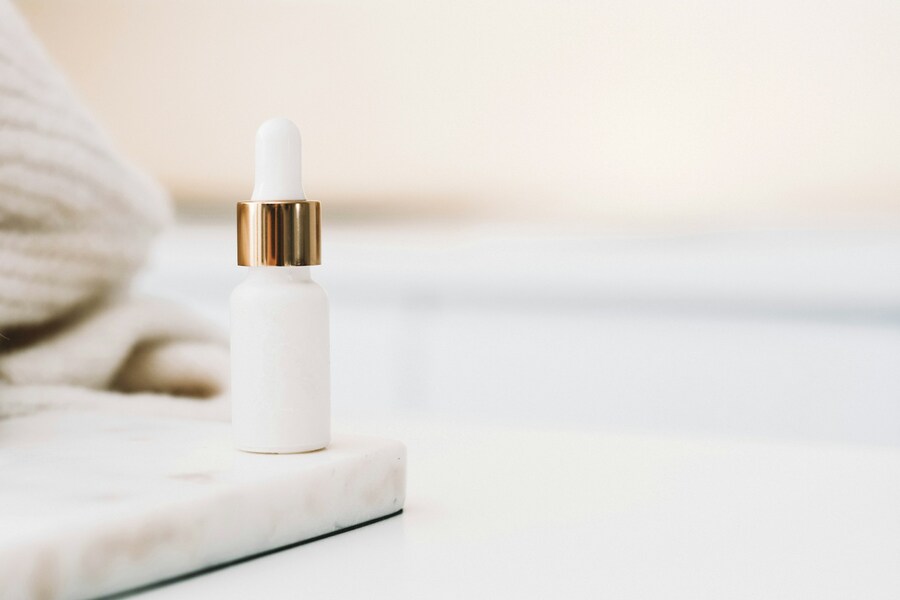 Source: Content Pixie/Unsplash
Mastering the in-flight routine requires a blend of scientific understanding and strategic product selection. The primary adversary is the recycled air, which actively pulls moisture from the upper layers of your dermis. To combat this, one must move beyond the simple application of a face mist and embrace a multi-layered defense system. This involves preparing the skin before even stepping onto the jet bridge, maintaining a rigorous hydration protocol during the flight, and executing a recovery plan upon arrival. The transition from the terminal to the cabin marks a shift in environmental stressors, and your kit must be curated to address the specific biological needs of your skin under pressure.
The foundation of pre-flight preparation
The secret to a successful in-flight routine actually begins in your bathroom at home, several hours before departure. Many travelers make the mistake of applying heavy makeup or aggressive active ingredients like high-percentage retinols right before a flight. This is often a recipe for disaster. Instead, the focus should be on creating a resilient moisture barrier. Starting with a gentle, non-stripping cleanser ensures that you're removing pollutants without compromising the skin's natural oils. Following this with a lipid-rich cream or a barrier-repair serum containing ceramides will provide a sturdy "shield" against the dry cabin air.
Moreover, internal hydration is the silent partner of topical skincare. Drinking a significant amount of water in the twenty-four hours leading up to your flight sets a baseline that topical products can then help maintain. It's much harder to "catch up" on hydration once you're already in the air. Consider swapping your pre-flight airport coffee for an herbal tea or electrolyte-infused water. This reduces the diuretic effect of caffeine, which can exacerbate the sallow, sunken look often associated with "plane face."
Navigating the mid-flight moisture crisis
Once the seatbelt sign is turned off, the real work begins. The goal here is not necessarily to perform a ten-step routine in a cramped lavatory, but to use targeted interventions at your seat. The first rule of the "glowmad" is to avoid the tap water in airplane bathrooms at all costs; it's famously unsanitary for facial use. Instead, use high-quality micellar water or pre-soaked biodegradable cleansing pads to refresh the skin if you feel oily or congested during the flight.
The most effective tool in your mid-flight arsenal is the sheet mask or a clear, leave-on overnight mask. While you might feel slightly self-conscious sitting in economy with a white sheet over your face, the results are undeniable. A sheet mask creates an occlusive seal, forcing hydrating ingredients like hyaluronic acid and glycerin into the skin rather than letting them evaporate into the dry air. If you prefer something more discreet, a thick layer of a gel-based sleeping mask will provide similar benefits without the visual drama.
Advanced protection: eyes, lips, and hands
We often focus so much on the forehead and cheeks that we neglect the most vulnerable areas: the eyes and lips. The skin around the eyes is significantly thinner and lacks the oil glands present elsewhere on the face, making it the first area to show signs of dehydration and fatigue. Using caffeine-infused eye gels can help constrict blood vessels and reduce the puffiness caused by cabin pressure changes. For the lips, a simple stick balm is rarely enough. A thick, lanolin-based or vegan-alternative lip butter will prevent the painful cracking that often occurs during six-plus hour flights.
Similarly, our hands are frequently exposed to harsh sanitizers and dry air throughout the travel process. A rich hand cream, followed by a light cuticle oil, can prevent your manicure from looking ragged by the time you reach your hotel. It's these small, often overlooked details that separate a seasoned traveler from a novice. When you treat every inch of exposed skin with intention, the cumulative effect is a polished, well-rested appearance that defies the physiological toll of air travel.
The science of layering under pressure
 Source: Annie Spratt/Unsplash
Understanding the molecular weight of your products is crucial when you're in a low-humidity environment. Hyaluronic acid is a beloved humectant because it can hold many times its weight in water, but in a dry cabin, it can actually backfire. If there's no moisture in the air for the hyaluronic acid to pull from, it may start pulling moisture out of the deeper layers of your skin to the surface, where it evaporates. To prevent this, always "seal" your humectants with an occlusive layer. This could be a face oil containing squalane or jojoba, or a thicker cream that acts as a physical barrier.
This layering technique ensures that the hydration you've applied stays exactly where it belongs. Think of your skincare as a thermal suit for your face; the serum is the base layer that holds the heat (or moisture), and the oil or heavy cream is the outer shell that protects you from the elements. This approach is particularly important for those flying in premium cabins where the airflow might be more direct, or for those sitting in window seats who are exposed to higher levels of UV radiation.
Sun protection and the window seat myth
A common misconception is that because you're inside a plane, you're protected from the sun. In reality, you're much closer to the ozone layer, and the windows of an aircraft don't block all UVA rays, which are responsible for premature aging and skin damage. If you enjoy the view from a window seat, wearing a broad-spectrum SPF is non-negotiable. Even a short flight can result in significant UV exposure. Reapplying a lightweight sunscreen or using a mineral powder with SPF mid-flight is a key habit for any traveler concerned with long-term skin health.
In addition, the blue light from seatback entertainment screens and personal devices can contribute to skin fatigue over long durations. While the research is still evolving, many dermatologists suggest that antioxidants like Vitamin C or niacinamide can help neutralize the oxidative stress caused by prolonged screen time. Incorporating an antioxidant serum into your flight routine provides an extra layer of defense against both the sun and the digital environment of the modern cabin.
Arrival recovery and immediate aftercare
The moments after you deplane are just as critical as the hours spent in the air. Your skin has just undergone a period of intense stress, and the immediate goal should be "resetting" its pH balance and temperature. If possible, a cold-water rinse as soon as you reach your destination can help constrict blood vessels and wake up the complexion. Following this with a soothing, anti-inflammatory toner containing rosewater or aloe vera will calm any redness or irritation caused by the flight.
Lymphatic drainage is another powerful tool for the post-flight recovery phase. Using a jade roller, a gua sha tool, or even your own fingertips to perform a gentle facial massage can help move the stagnant fluid that accumulates in the face due to pressure changes and prolonged sitting. Focus on upward and outward strokes, moving from the center of the face toward the ears and down the neck. This simple ritual can take you from looking "puffy and gray" to "sculpted and vibrant" in less than five minutes.
Logistical ease and planning your journey
Part of maintaining a stress-free skincare routine is ensuring that the rest of your travel logistics are handled with efficiency. Stress is a known trigger for skin inflammation and breakouts, so minimizing friction at the start of your trip is essential for your overall glow. For those flying out of Southern California, streamlining your arrival at the terminal can make a world of difference. By securing SAN parking deals through AirportParking.deals in advance, you can avoid the frantic search for a spot and head straight to security with a calm mind. Taking advantage of professional SAN Airport parking services allows you to focus on your pre-flight hydration and skincare prep rather than the logistics of city traffic, ensuring your "glowmad" journey starts on a tranquil note.
The bottom line

Ultimately, the perfect in-flight skincare routine is the one you'll actually perform. While it's tempting to carry a vast array of luxury products, the most effective strategy focuses on hydration, protection, and recovery. You don't need a suitcase full of tinctures to arrive looking refreshed; you simply need a few high-performance products and the discipline to use them. Air travel is inherently taxing on the body, but by viewing the cabin as a controlled environment for self-care, you can turn a grueling flight into a transformative experience.
The "glowmad" philosophy is about more than just vanity; it's about arriving at your destination feeling your best so you can dive into your adventures without needing a "recovery day." When you prioritize your skin's health during the journey, you're essentially biohacking your way to a better travel experience. As the world becomes more accessible and our lives more mobile, mastering these small rituals ensures that we move through the world with grace, health, and a complexion that reflects the excitement of the journey ahead. We wish you clear skies, smooth travels, and a radiant glow every step of the way!


