

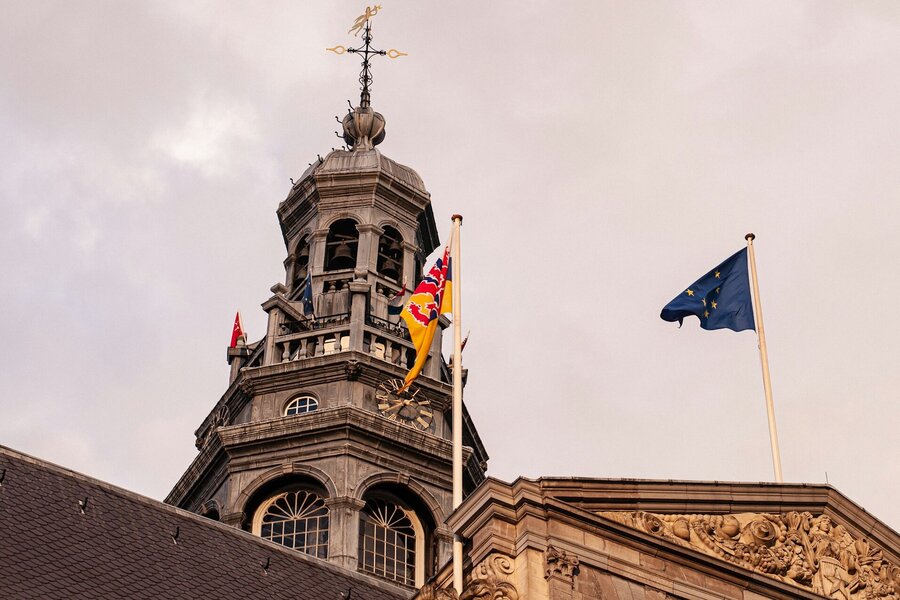
The traditional calendar of European tourism has long been anchored to the sweltering heat and packed squares of July and August. For decades, the collective consciousness of global travelers dictated that a summer holiday required a sacrifice: enduring the relentless sun of the Mediterranean, navigating shoulder-to-shoulder crowds in the Louvre, and paying a significant premium for the privilege of a cramped economy seat. However, a fundamental shift is occurring in the way we navigate the skies. The allure of the "Grand Summer Tour" is fading, replaced by a more sophisticated, strategic approach to crossing the Atlantic or traversing the continent. We're witnessing the rise of the autumn traveler – the individual who recognizes that the true essence of Europe reveals itself not under the glare of the July sun, but in the golden, mellow light of October.
This transition is driven by more than just a desire for cooler temperatures. It's a calculated response to the evolving landscape of global aviation and the shifting dynamics of the hospitality industry. As we look toward the future of travel, the concept of the "shoulder season" has expanded, transforming from a brief transitional period into the most desirable window for exploration. The savvy traveler no longer views October as the end of the season, but rather as the sweet spot where logistical efficiency, financial prudence, and cultural authenticity converge. By understanding the mechanics of modern air travel and the nuances of regional scheduling, one can unlock an experience that remains perpetually out of reach during the chaotic peak of mid-summer.
So, how can travelers master the modern skies to unlock the perfect European autumn?
 Source: Giu Vicente/Unsplash
The architecture of a successful trip begins long before you reach the boarding gate. It starts with a reimagining of how we interact with airlines and airports. In the current era of aviation, the old rules of booking – such as the myth of the "Tuesday afternoon" bargain – have been largely superseded by sophisticated AI-driven dynamic pricing models. To truly master the skies, one must lean into the technological tools available while maintaining a firm grasp on the physical realities of air transit. October presents a unique advantage in this regard because the volatility of pricing tends to stabilize. Airlines, having cleared the frantic hurdle of summer demand, often recalibrate their yields to ensure high load factors during the transition into late autumn. This creates a fertile ground for those who know how to manipulate search parameters and leverage regional hubs.
The strategic geometry of flight booking
Navigating the financial hurdles of air travel requires a shift from linear thinking to what might be called "hub-and-spoke" creativity. While a direct flight from New York to Rome might seem like the most logical path, it's often the most expensive. The modern air travel hack involves identifying secondary entry points that are currently underserved or aggressively priced by low-cost carriers. Cities like Dublin, Lisbon, or even Helsinki often serve as more affordable gateways into the broader European network. By booking a transatlantic leg to one of these hubs and then utilizing a separate, regional carrier for the final jump, travelers can often slash their total airfare by a third. However, this strategy requires a buffer. The seasoned traveler knows to allow at least six hours – or even an overnight stay – between "self-interlined" flights to account for the inevitable delays that haunt even the most efficient schedules.
Moreover, the integration of digital wallets and multi-currency accounts has revolutionized how we handle the "hidden" costs of travel. When booking on foreign-based airline websites, opting to pay in the local currency rather than having the site convert it to your home currency can save a significant percentage on every transaction. These small efficiencies, when compounded across a multi-city itinerary, can fund an extra night in a boutique hotel or a high-end dining experience that would have been financially out of reach in July.
Maximizing cabin comfort and efficiency
As airlines continue to densify their cabins, the physical experience of flying has become a puzzle to be solved. The hack here is not just about choosing the right seat, but about timing the selection. Most travelers don't realize that the "prime" seats – those in exit rows or with extra legroom – that were previously blocked for elite status members are often released for general purchase or even complimentary selection within 24 to 48 hours of departure. Monitoring the seat map via third-party applications can allow a traveler to snag a superior position without the premium price tag. In addition, the shift toward "basic economy" across legacy carriers means that baggage strategy is no longer optional; it's a vital component of air travel mastery.
October weather in Europe is notoriously fickle, requiring a wardrobe that spans from balmy afternoons in Seville to chilly evenings in Amsterdam. The solution lies in high-performance, lightweight fabrics that allow for "capsule" packing. By mastering the art of the carry-on, a traveler bypasses the most significant friction point of modern airports: the checked bag drop and the subsequent wait at the carousel. In an era where ground handling staff shortages can lead to mountainous piles of lost luggage, the ability to keep your possessions within arm's reach is the ultimate luxury. It facilitates a seamless transition from the aircraft to the train station, often saving hours of transit time and hundreds of dollars in potential lost-baggage headaches.
Navigating the airport ecosystem
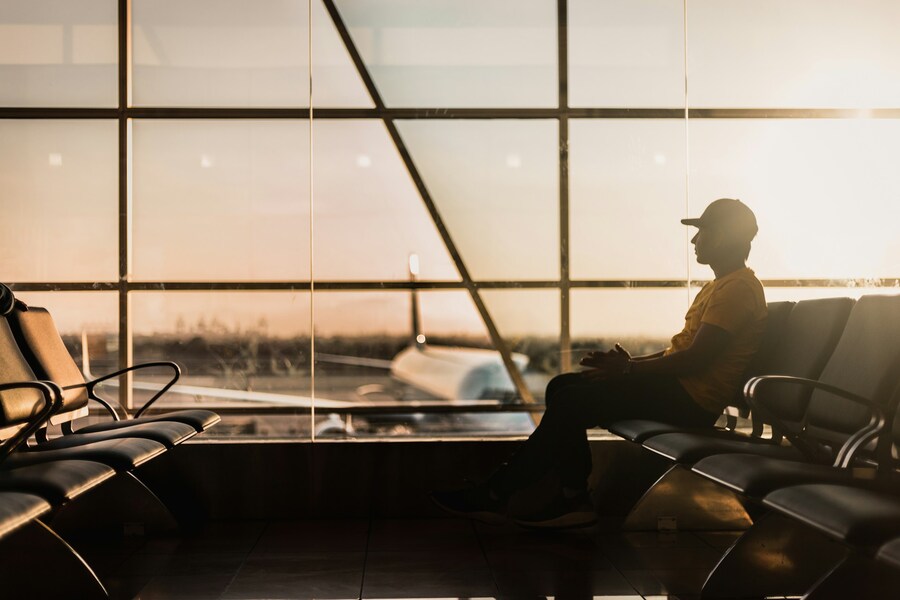
The airport experience itself has undergone a radical transformation. With the widespread adoption of biometric screening and digital identity apps, the traditional queue is slowly becoming a relic of the past. To navigate these spaces efficiently, one must embrace the "digital twin" of their journey. This means having every document, from boarding passes to health declarations and lounge invitations, synchronized across devices. October provides a calmer environment for these systems to function; when the infrastructure isn't stressed by peak summer volume, biometric gates work faster, security lines move with more rhythm, and the overall atmospheric stress of the terminal is palpably lower.
Lounge access remains one of the most effective ways to mitigate the exhaustion of long-haul travel. While many assume this is reserved for the ultra-wealthy or frequent flyers, the democratization of lounges through credit card partnerships and independent memberships has made this accessible to the average traveler. Spending a three-hour layover in a quiet space with high-speed internet, quality food, and shower facilities isn't merely an indulgence; it's a strategic move to preserve one's energy for the destination. When you arrive in a European city in the crisp autumn air, you want to be ready to walk the cobblestones immediately, not spend your first day recovering from the trauma of a chaotic terminal.
Source: Marco López/Unsplash
The role of sustainability and new fleet technology
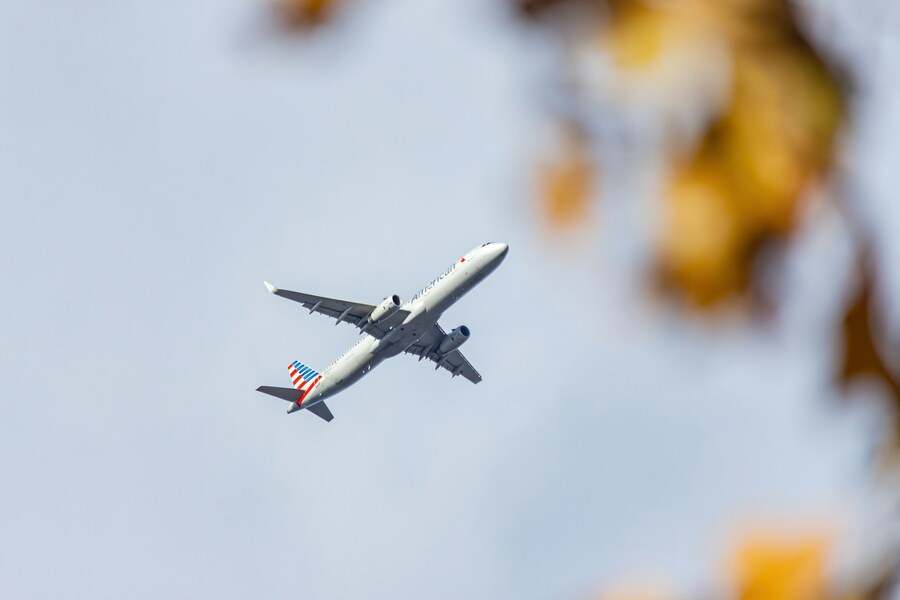
A significant factor often overlooked by the casual tourist is the type of aircraft operating the route. We're currently in a golden age of aviation technology, with the rollout of more fuel-efficient and passenger-friendly aircraft like the
The cultural dividend of the shoulder season
Beyond the logistics of the flight, the reason October has become the "new July" is the quality of the experience on the ground. The "overtourism" crises that plague cities like Venice, Barcelona, and Santorini during the summer months reach a breaking point in July. By contrast, October sees a return to normalcy. The locals return from their own vacations, the "tourist traps" lose their aggressive edge, and the rhythm of the city becomes more authentic. You can actually secure a reservation at that hidden bistro in the Marais or stand in front of a Caravaggio in Rome without being nudged by a selfie stick.
The climate, too, is a significant hack in itself. While summer in Europe is increasingly defined by intense heatwaves that can make urban exploration dangerous, October offers a temperate middle ground. It's the season of the vendemmia (grape harvest) in Italy, the truffle fairs in France, and the vibrant foliage in the Bavarian Alps. The light is softer, which is a boon for photography, and the air is crisp, which is ideal for the long walking tours that are essential to understanding European history. When you combine the ease of flight logistics with the richness of the seasonal culture, the value proposition of an October trip becomes undeniable.
Ground logistics and pre-flight planning
The final piece of the air travel puzzle is the "last mile" of the journey – getting to the airport itself. In the rush to plan the European side of the itinerary, many travelers overlook the logistical hurdles at their home base. Efficiently managing the departure process is essential for maintaining a stress-free environment. This involves more than just checking in online; it requires a calculated approach to airport transit. For those departing from major hubs, the cost and complexity of long-term parking can be a significant deterrent. However, with a bit of foresight, this can be turned into a seamless part of the trip.
For travelers flying out of the West Coast, particularly through Northern California, choosing the right departure point is crucial. While larger hubs often draw the most attention, regional alternatives can offer a much smoother start to an international journey. For instance, using a platform like AirportParking.deals to find reliable OAK parking deals can significantly reduce the pre-flight anxiety associated with heavy traffic and overpriced terminal lots. By securing a spot through a dedicated OAK Airport parking service, travelers can ensure their vehicle is safe while they focus on the more exciting aspects of their European adventure. This level of planning ensures that the "vacation mode" begins the moment you leave your driveway, rather than being delayed by a frantic search for a parking space or an expensive last-minute rideshare.
The bottom line
The evolution of air travel has made the world more accessible, but it has also made the process more complex. The "hacks" of the future aren't about finding a magic button for cheap fares, but about a holistic understanding of timing, technology, and geography. By shifting the focus from the crowded, overpriced mid-summer months to the vibrant and efficient window of October, travelers can reclaim the joy of discovery. This shift represents a move toward "slow travel" – an approach that values the quality of the interaction over the number of landmarks checked off a list.
Ultimately, the goal of any travel guide should be to empower the individual to navigate the world with confidence and curiosity. Whether it's leveraging new aircraft technology to beat jet lag, using secondary hubs to save on airfare, or simply choosing a month where the crowds have thinned, these strategies are all parts of a larger philosophy. The modern traveler is an architect of their own experience, using every tool at their disposal to ensure that the journey is as rewarding as the destination. As the skies continue to change and the world becomes increasingly interconnected, the secrets of the shoulder season will remain the most valuable currency for those who seek to see Europe at its absolute best.


