

The modern traveler faces a persistent paradox: the burning desire to explore the far reaches of our planet often clashes with the growing necessity to protect its delicate ecosystems. Aviation has long been scrutinized for its environmental impact, yet it remains an indispensable pillar of global connectivity and economic growth. For years, the industry searched for a middle ground where efficiency and performance could coexist with sustainability. This search led to a radical shift in aerospace engineering, moving away from heavy aluminum structures and gas-guzzling four-engine giants toward a new generation of "green" aircraft. Today, the conversation around sustainable travel is no longer just about buying carbon offsets or taking fewer trips; it's increasingly about the technology of the machines that carry us through the sky.
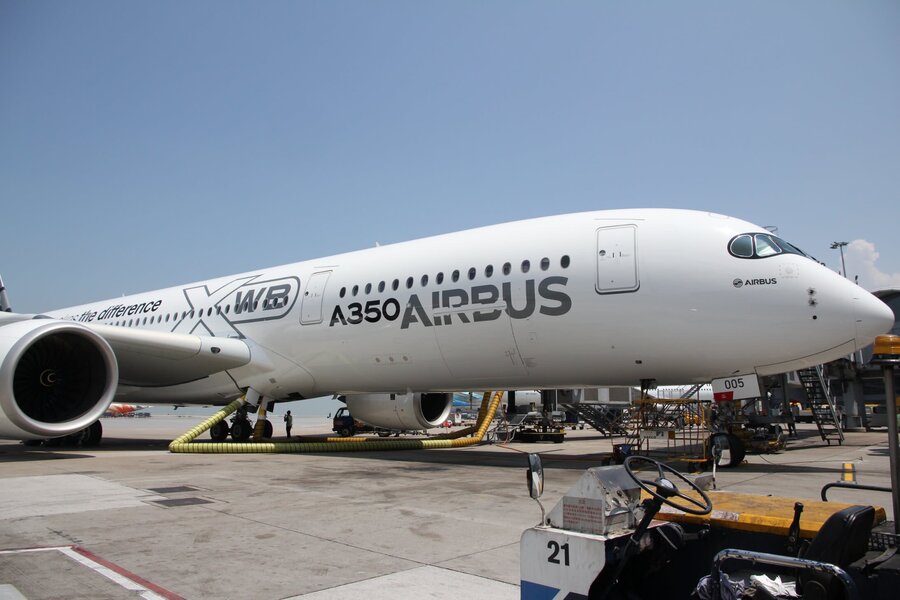
At the heart of this transformation are two specific aircraft families that have redefined the long-haul flight experience: the
So, how do modern composites and propulsion systems redefine sustainable aviation?
 Source: Google Search
The transition toward greener skies begins with the very fabric of the aircraft. For decades, the primary material in aircraft construction was aluminum. While reliable, aluminum is relatively heavy and prone to fatigue and corrosion over time. The Airbus A350 and Boeing 787 broke this mold by utilizing carbon-fiber-reinforced polymers (CFRP) and other advanced composites for a majority of their airframes. On the Boeing 787, for instance, composites make up roughly 50% of the primary structure by weight, including the fuselage and wings. This shift in material science provides a dual benefit: it significantly reduces the overall weight of the aircraft and allows for more aerodynamic wing designs that would be impossible to manufacture using traditional metals.
The aerodynamic edge of composite wings
When an aircraft is lighter, it requires less thrust to stay aloft, which translates directly into lower fuel consumption. However, the benefits of carbon fiber extend beyond mere weight reduction. Because composites can be molded into complex, fluid shapes, engineers can design wings that are more aerodynamically efficient. The wings of the A350 and 787 are notably longer and more flexible than those of older jets. They feature advanced "winglets" and raked wingtips that reduce induced drag – the aerodynamic resistance created by wingtip vortices. This allows the plane to "glide" through the air with less effort, further slashing the amount of kerosene burned per passenger kilometer.
Moreover, the strength-to-weight ratio of these materials allows for a higher "aspect ratio" in wing design. This means the wings are narrower and longer, a configuration that's naturally more efficient at high altitudes. When you observe a 787 taking off, you can see the wings flex upward into a graceful arch; this flexibility is a hallmark of composite construction, absorbing turbulence for a smoother ride while maintaining an optimal aerodynamic profile throughout various phases of flight.
Revolutionary engine technology and bypass ratios
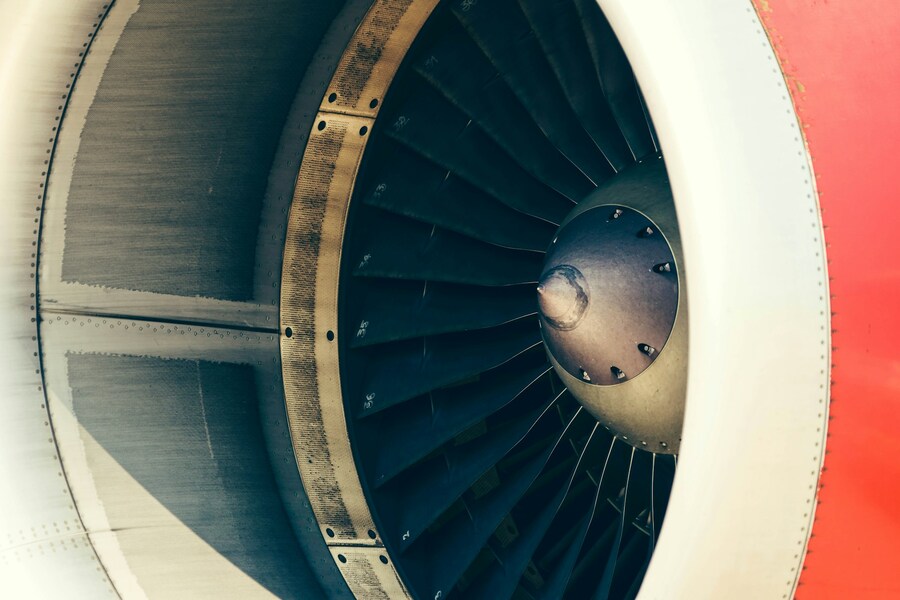
While the airframe provides the vessel, the engines provide efficiency. Both the A350 and the 787 are powered by the latest generation of ultra-high-bypass turbofan engines, such as the Rolls-Royce Trent XWB and the General Electric GEnx. These engines are marvels of thermodynamic efficiency. The concept of a "bypass ratio" is crucial here: it refers to the ratio between the mass of air that bypasses the engine core and the mass of air that goes through it. Modern engines move much larger volumes of air at slower speeds around the core, which produces thrust more efficiently and significantly reduces noise pollution.
These engines also incorporate 3D-printed components and advanced ceramic matrix composites (CMCs) in the hot sections of the engine. These materials can withstand higher temperatures than traditional alloys, allowing the engine to operate at peak thermal efficiency without melting. By burning fuel more completely and at higher temperatures, these powerplants produce fewer nitrogen oxides and particulate matter. When combined with the lightened airframe, these engines contribute to a 20% to 25% reduction in fuel burn and CO2 emissions compared to the previous generation of aircraft like the Boeing 767 or the Airbus A340.
Operational efficiency and digital flight systems
The "green" nature of these aircraft is also found in their brains. Advanced flight management systems on the A350 and 787 allow for more precise navigation and optimized flight paths. These systems can calculate the most fuel-efficient altitudes and speeds in real-time, taking into account wind patterns and atmospheric conditions. In addition, both aircraft utilize more electric architectures. Traditionally, many aircraft systems – such as air conditioning and wing anti-icing – relied on "bleed air" taken from the engines, which puts a mechanical strain on the powerplant. The 787, in particular, replaced many of these pneumatic systems with electric ones, allowing the engines to dedicate more of their energy exclusively to propulsion, thereby squeezing out every possible drop of efficiency.
Impact on passenger comfort and environmental health
An often-overlooked environmental benefit of composite aircraft is the improvement in the cabin environment. Because carbon fiber doesn't corrode like aluminum, the cabin can be pressurized to a lower altitude and maintained at a higher humidity level. Passengers often find themselves arriving at their destination feeling less fatigued and dehydrated. While this is a "comfort" feature, it has a secondary environmental benefit: it reduces the reliance on heavy, energy-intensive humidification systems and allows for more efficient climate control within the cabin. A healthier passenger environment and a healthier planet are, in this case, products of the same technological leap.
Strategic route planning and the end of the "hub and spoke"
The efficiency of the A350 and 787 has fundamentally changed how airlines plan their routes. In the past, long-haul travel often required large, four-engine aircraft like the Boeing 747 or Airbus A380 to carry enough fuel and passengers to make the trip viable. This led to the "hub and spoke" model, where passengers were funneled through massive airports to catch connecting flights. However, the 787 and A350 make "point-to-point" travel on long-haul routes economically feasible. By flying directly from a secondary city to another secondary city, these aircraft eliminate the need for extra takeoffs and landings – the most fuel-intensive parts of any journey. By reducing the total number of miles flown and the number of cycles an aircraft performs, these machines are lowering the systemic carbon footprint of the entire aviation industry.
Beyond carbon: the reduction of noise pollution
Sustainability isn't just about carbon; it's also about the impact of aviation on the communities living near airports. The advanced serrated edges on the engine nacelles of the 787 (known as chevrons) and the optimized fan blade designs on the A350 significantly reduce the noise footprint of these aircraft. They are up to 40% quieter than previous generations. This reduction in noise pollution allows for more flexible airport operations and less disruption to local ecosystems and human populations. When an aircraft is designed to be "clean," it often ends up being "quiet" as well, as noise is essentially wasted energy vibrating through the air.
Choosing the right logistics for a sustainable trip
When planning a trip with an eye toward sustainability, the journey begins long before you reach the boarding gate. Every decision, from how you pack to how you get to the terminal, contributes to the total energy expenditure of your trip. Smart travelers are increasingly looking for ways to streamline their transit to the airport to avoid the high emissions associated with idling in traffic or taking multiple short-range shuttle loops. For those departing from the Central Valley of California, finding efficient ways to manage your vehicle can be a small but meaningful part of the puzzle. Utilizing specialized services for FAT parking deals can help you secure a spot quickly, reducing the time spent circling lots and ensuring your transition from car to terminal is as seamless as possible. Choosing reliable FAT Airport parking options through dedicated platforms like AirportParking.deals allows you to focus on the more technical aspects of your journey, such as selecting the right aircraft for your long-haul leg.
The bottom line

The era of choosing between global exploration and environmental stewardship is beginning to fade, thanks to the massive strides made in aerospace engineering. The Airbus A350 and the Boeing 787 Dreamliner are more than just comfortable ways to cross an ocean; they are the vanguard of a more sustainable future for flight. By integrating carbon-fiber construction, high-bypass engine technology, and optimized aerodynamics, these aircraft have proven that a 25% reduction in carbon emissions is not just a goal, but a current reality. As travelers, our power lies in our choices. By prioritizing "green" aircraft when booking our tickets, we send a clear signal to the industry that efficiency and sustainability are non-negotiable.
While the aviation industry still has a long way to go to reach "net-zero," the widespread adoption of these advanced twin-engine jets represents the most significant progress in decades. They provide a blueprint for what is possible when science and sustainability intersect. The next time you see the signature "swoosh" of a 787 wingtip or the elegant, "bandit-mask" cockpit of an A350, you can fly with the knowledge that you are part of a movement toward a lighter, cleaner, and more responsible way of seeing the world. The future of travel isn't about staying home; it's about flying smarter, lighter, and more efficiently than ever before.


