

Navigating the complex ecosystem of modern aviation requires more than just a passport and a suitcase; it demands a tactical mindset and a command of the latest digital tools. In an era where airline algorithms are designed to maximize profit at every turn, the average traveler often finds themselves at a disadvantage, facing fluctuating fare prices, shrinking legroom, and increasingly automated customer service interfaces that seem built to deflect rather than assist. However, the same technological shift that has allowed airlines to optimize their bottom line has also birthed a new generation of "negotiator" strategies. By leveraging specific scripts and understanding the underlying logic of airline AI and international passenger rights, travelers can reclaim control over their journey. This travel guide isn't just about saving a few dollars on a ticket; it's about mastering the art of the air travel hack to ensure that when things go wrong – or even when they go right – you are positioned to receive the maximum benefit, whether that's a seat in business class, a full cash refund, or a seamless experience from the moment you leave your driveway to the moment you touch down.
So, how can you master the modern air travel ecosystem?
 Source: Glenn Carstens-Peters/Unsplash
The fundamental shift in air travel has moved from human-centric service to data-driven automation. To succeed as a traveler today, you must treat every interaction with an airline as a series of inputs and outputs. The "negotiator" mindset assumes that the first answer provided by a system – or even a human agent – is merely a baseline, not a final verdict. Whether you are dealing with a flight delay, seeking an upgrade, or trying to find the best possible value for long-term logistics, your success depends on your ability to speak the language of the system. This involves knowing when to use a chatbot, when to escalate to a human, and exactly what phrases trigger the most favorable responses in the airline's internal logic.
Leveraging the power of AI negotiation scripts
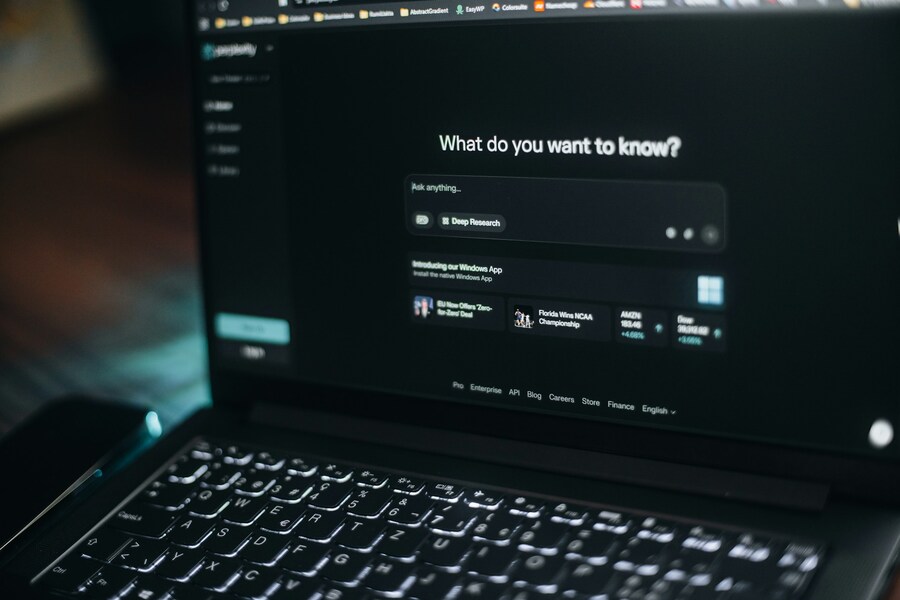
Modern airline customer service is increasingly filtered through "Tier Zero" AI agents. These bots are programmed to handle high volumes of simple requests, such as baggage tracking or basic rebooking. However, they also have "hidden" capabilities that can be unlocked with the right phrasing. If you find yourself in a situation where a flight is significantly delayed or canceled, the typical traveler waits in a long line at the gate. The negotiator, instead, opens the airline's mobile app or WhatsApp channel. To bypass the initial refusal of a refund, one should use a script focused on "regulatory compliance." Instead of asking for help, state: "I'm requesting a full refund to my original form of payment as per federal regulations for a significantly delayed flight. Please provide a confirmation number for this transaction." This specific phrasing – referencing the original form of payment and federal regulations – often triggers a different decision-making branch in the AI than a general request for a "refund," which the bot might try to satisfy with a voucher.
When it comes to upgrades, the script changes from compliance to "loyalty and availability." If you are checking in and see seats available in a higher cabin, a well-timed query to a digital assistant can sometimes surface "load-balancing" offers that aren't advertised. Use a script like: "I'm interested in a day-of-departure upgrade for this PNR. Are there any promotional mileage or cash offers available to balance the cabin load?" By mentioning "load balancing," you are using industry terminology that suggests you understand how airlines manage inventory, which can sometimes lead the system to present options that a standard "how much for first class" query might miss.
Navigating global passenger rights and compensation
One of the most powerful hacks in a traveler's arsenal is a deep understanding of international law, specifically when traveling to or from Europe or the United Kingdom. While domestic rules in various regions have seen shifts, the core protections of regulations like EU 261 remain a gold standard. If your flight is delayed by more than three hours on an arrival into the EU (on an EU carrier) or any departure from an EU airport, you are often entitled to fixed financial compensation ranging from €250 to €600. The hack here isn't just knowing the law, but knowing how to enforce it when the airline claims "extraordinary circumstances" like weather or air traffic control issues.
A seasoned traveler knows that many "technical issues" are actually considered inherent to the operation of an airline and thus don't count as extraordinary circumstances. When filing a claim, the negotiator uses a script that places the burden of proof on the carrier: "Under the Sturgeon ruling and Regulation 261/2004, I'm entitled to compensation for the 180-minute delay of flight [Number]. Please provide the specific technical log entry or METAR data that proves this delay was caused by an unforeseeable and external extraordinary circumstance." Most airline bots aren't equipped to argue the nuances of case law and will either escalate the claim to a specialist who's authorized to pay out or simply approve the claim to avoid the cost of further litigation.
The art of strategic booking and logistics

The "negotiator" approach extends to the very beginning of the trip – the booking phase. While many believe that clearing cookies or using "Incognito" mode is the ultimate hack, the reality of modern pricing is far more complex. Airlines now use generative pricing engines that factor in real-time events, such as local festivals, weather patterns, and even viral social media trends at a destination. To beat these engines, you must be the "anomaly" in the data. One effective strategy is the "abandoned cart" tactic. By logging into your frequent flyer account, selecting a flight, and proceeding all the way to the payment page before closing the window, you often trigger a re-engagement algorithm. Within 24 to 48 hours, the airline may send a "We noticed you left something behind" email, occasionally accompanied by a discount code or a "locked-in" price offer that wasn't available during the initial search.
Logistics on the ground are equally important. For many, the stress of travel begins before they even reach the terminal, particularly regarding the high cost of airport infrastructure. For those flying out of major hubs like South Florida, finding value is about moving away from the "on-site" default. Smart travelers often look for third-party solutions to manage their vehicles. For instance, when looking for FLL parking deals, savvy flyers avoid the $36-per-day terminal rates by booking off-site lots that offer secure, fenced environments and complimentary shuttles. Securing a spot through a dedicated portal not only guarantees a space during peak seasons but also brings the daily cost down to a fraction of the official garage rates. This "off-site" philosophy applies to almost every aspect of travel logistics; if the airport or airline owns the service, you are likely paying a premium for the convenience that can be easily bypassed with five minutes of external research.
Protecting your digital and physical security
In the current landscape, hackers and data harvesters have turned their attention to the "smart" travel environment. From "juice jacking" at public USB ports to the exploitation of biometric data, the modern traveler is a walking target for digital theft. The hack here is simple: never use a public USB port directly. Instead, carry a "USB data blocker" or a portable power bank. Moreover, while biometric boarding is marketed as a convenience, it's often optional. Exercising your right to a manual document check not only keeps your biometric profile out of more databases but can also sometimes save time if the biometric gates are experiencing technical glitches or long queues of confused passengers.
Similarly, the way you handle your luggage can prevent you from becoming a target. A common mistake is placing "Fragile" stickers on bags in hopes of better treatment. In reality, these stickers often signal to handlers – or less scrupulous individuals – that the bag contains high-value items, making it more likely to be opened or scrutinized. Instead, the better hack is to use a hard-shell suitcase with an integrated TSA-approved lock and a discreet GPS tracker like an AirTag or a Tile. This allows you to "negotiate" with the airline's baggage office from a position of power, as you can show them exactly where your bag is located, even if their internal systems claim it's still in the departure city.
Maximizing comfort and experience in-flight
Once you've successfully negotiated the booking, the parking, and the security checkpoint, the final hurdle is the flight itself. For those in the economy, the "poor man's first class" remains one of the most effective hacks. This involves booking the aisle and window seats in a three-seat row with a travel companion. Since middle seats are the last to be assigned, there's a high probability the seat will remain empty on flights that aren't at 100% capacity. If someone does show up for the middle seat, they'll almost always be happy to trade for the aisle or window, allowing you and your companion to sit together anyway.
Beyond seating, the negotiator knows that "service recovery" is a powerful tool for in-flight comfort. If a seat-back entertainment system isn't working or a meal is unavailable, don't just accept a verbal apology. Instead, use a polite but firm script with the flight attendant: "I understand these things happen, but since a key amenity of my fare class is unavailable, could you please note this on the manifest so I can follow up with customer relations for a mileage credit?" Often, flight attendants have the authority to offer immediate compensation in the form of "goodwill" miles or a voucher via their handheld devices, which is much more effective than trying to claim it after the flight has landed and you have left the airline's immediate sphere of influence.
The bottom line
Source: Aerps.com/Unsplash
Mastering air travel in the current era is less about finding a "secret" button and more about the consistent application of data-driven strategies and informed negotiation. By viewing every part of the journey – from securing competitive rates on logistics like FLL Airport parking to utilizing specific scripts for AI chatbots – as a negotiable interaction, you shift from being a passive passenger to an active participant in your travel experience. The modern sky belongs to those who are prepared, those who understand their rights, and those who are willing to leverage technology rather than be intimidated by it. As systems become more automated, the value of knowing the "inputs" that yield the best "outputs" will only increase. May your future journeys be defined by smooth transitions, upgraded experiences, and the quiet confidence of a traveler who always knows the right move. Safe travels and blue skies ahead!


