

The modern traveler no longer begins their journey at the boarding gate or even at the check-in counter. Instead, the voyage commences months in advance, within the glow of a high-resolution screen. As urban environments become more densely populated and global tourism reaches unprecedented levels of synchronization, the traditional "hidden gem" has become an endangered species. However, a new frontier has emerged that allows the savvy explorer to reclaim the serenity of the road less traveled. This frontier is defined by the rise of "Digital Twin" technology – highly sophisticated, real-time virtual replicas of physical cities that serve as the ultimate blueprint for the perfect itinerary. By leveraging these digital counterparts, we can now navigate the complexities of international air travel and urban exploration with a level of precision that was once the exclusive domain of logistics experts and urban planners.
The integration of spatial data and predictive modeling has transformed how we perceive distance and density. In the past, finding a quiet corner in a metropolis like Tokyo, London, or New York required a mixture of luck and local knowledge. Today, we utilize virtual environments to simulate pedestrian flow, noise levels, and even the quality of light at specific times of the day. This shift toward virtual pre-travel allows for a more intentional experience, where the stress of the unknown is replaced by the confidence of digital mastery. This travel guide explores how to harness these virtual tools and air travel strategies to ensure your next trip is defined by tranquility and efficiency rather than the chaos of the crowds.
So, how can "Digital Twin" technology redefine your pursuit of urban tranquility?
 Source: Christin Hume/Unsplash
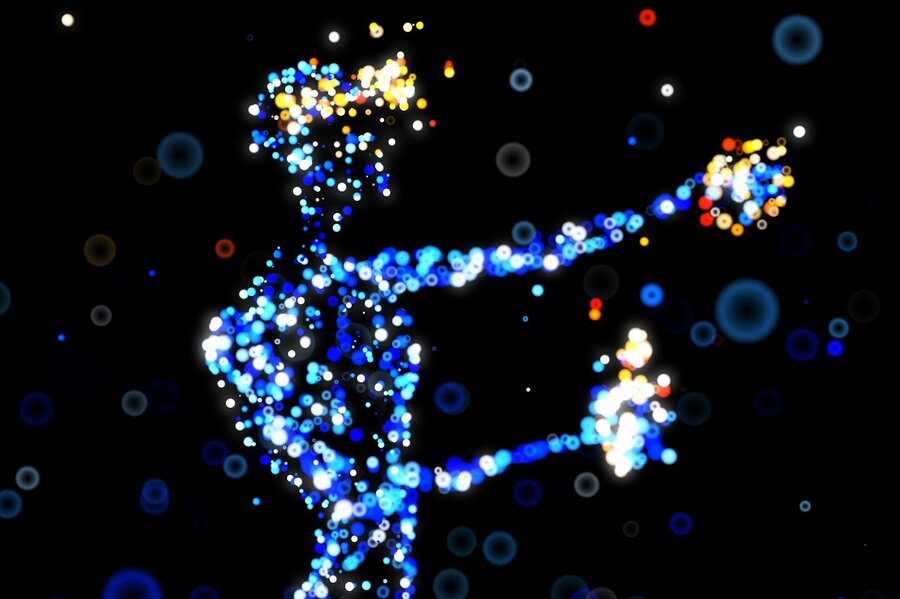
Digital twins use real-time data and IoT sensors to map urban density. By analyzing these virtual models, travelers can pinpoint quiet zones and ideal timing to experience cities without the crowds.
Mastering the virtual pre-check
Before engaging with the physical logistics of flight, the digital pre-check involves a deep dive into the virtual landscape of your destination. This process starts with identifying the "acoustic footprint" of potential accommodations. Many advanced digital city models now include noise pollution layers, which can indicate whether a boutique hotel is situated above a late-night venue or next to a construction site. By cross-referencing these digital twins with traditional booking platforms, you can filter out options that might look aesthetic in photos but fail to provide the restorative quiet required to overcome the exhaustion of long-haul travel.
Moreover, the virtual pre-check extends to the transit corridors between the airport and your final destination. Visualizing the layout of public transportation hubs in a 3D environment allows you to memorize the path to the quietest exits and the least crowded platforms. This reduces the cognitive load upon arrival, allowing you to move through high-traffic areas like a local, bypassing the bottlenecks where tourists often congregate. This digital familiarity breeds a sense of calm that's often the first casualty of international arrivals.
The evolution of air travel logistics
While the destination is mapped out virtually, the journey itself requires a different set of hacks to maintain that sought-after tranquility. The air travel landscape has evolved into a system of "married segments" and "reverse hubs," where the most direct route is rarely the most peaceful or the most cost-effective. To optimize the experience, one must look at the aircraft itself as a microcosm of the digital twin. Understanding seat maps through the lens of acoustic engineering – avoiding the hum of the engines and the high-traffic zones near the galleys – is essential.
Selecting the right aircraft can be just as important as selecting the right airline. Newer generations of wide-body jets are designed with lower cabin altitudes and advanced humidity controls, which significantly reduce the physical toll of a 10-hour flight. When these technological advantages are paired with a strategic seating choice, the "flight" portion of the journey ceases to be a hurdle and becomes a curated environment for rest. Utilizing virtual cabin walkthroughs allows you to see the exact pitch and recline of a seat, ensuring that the space you've reserved matches your physiological needs.
Leveraging real-time data for seamless transit
Once in the air, the "Digital Twin" approach shifts toward real-time data management. Modern connectivity allows travelers to monitor their connecting gates, luggage status, and even the wait times at customs in real-time. The goal is to eliminate the "hurry up and wait" cycle that defines much of modern aviation. By knowing exactly when to disembark and which corridor leads to the shortest security line, you maintain the flow of your journey.
This seamlessness is further enhanced by biometric systems and digital identity wallets. By pre-clearing as much of the bureaucratic process as possible through digital channels, you minimize the time spent in the high-stress environments of border control. The less time you spend standing in a stagnant queue, the more energy you have to dedicate to the quiet streets you've discovered through your virtual research. The transition from the pressurized cabin to the cobblestone street should be as frictionless as possible.
Source: julien Tromeur/Unsplash
The psychology of silent exploration
There's a profound psychological benefit to finding quiet in a world that's increasingly loud. The "Digital Twin" method isn't just about efficiency; it's about mental preservation. When we use technology to find silence, we are essentially using the very tools that often distract us to find a space for reflection. This paradox is at the heart of modern travel. By using a screen to find a place where you don't need a screen, you create a more balanced and rewarding travel experience.
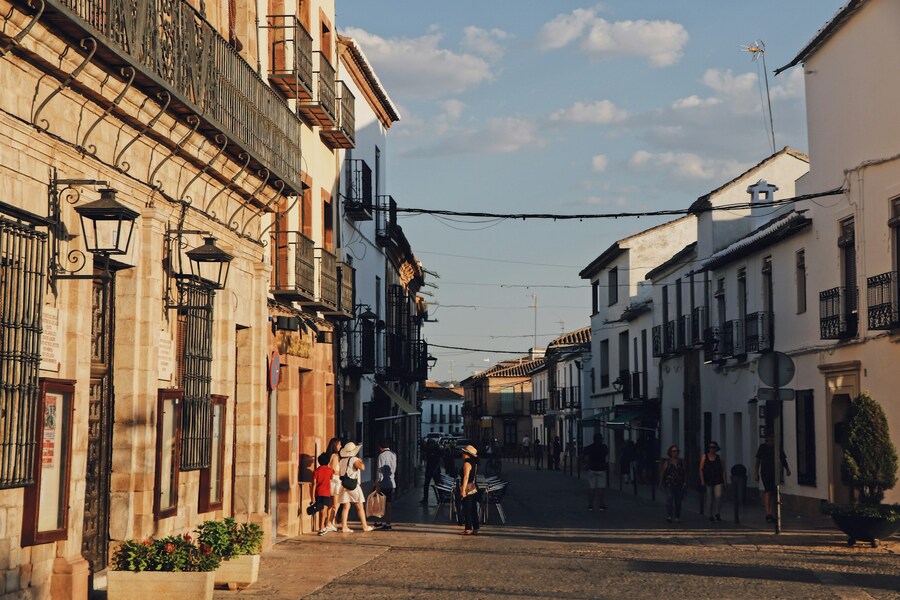
Walking through a quiet street that you first saw as a collection of pixels creates a strange sense of "déjà visité" – a feeling of having been there before, which allows you to relax into the environment immediately. You aren't searching for the street; you are recognizing it. This allows your brain to shift from "navigation mode" to "observation mode," which is where the true joy of travel resides. You notice the texture of the stone, the scent of a local bakery, and the subtle sounds of a city waking up, all because the logistical heavy lifting was completed in the virtual realm.
Strategic parking and terminal arrival
A significant but often overlooked aspect of the travel experience is the very beginning: the transition from your home to the airport. This is where the stress of a trip often takes root, particularly when dealing with the logistics of vehicle storage and terminal access. To maintain the "quiet street" philosophy from the moment you leave your front door, it's vital to secure a parking situation that's as predictable and streamlined as your digital itinerary. Just as you wouldn't leave your hotel choice to chance, you shouldn't leave your vehicle's safety to the whims of day-of-arrival availability.
For those flying out of the Northeast, finding reliable BDL parking deals is a prime example of applying pre-travel logic to physical logistics. By securing your spot in advance, you bypass the crowded on-site lots and the frantic search for a space minutes before your flight. Utilizing a dedicated booking platform allows you to compare different options, ensuring that your car is in a secure environment while you are off exploring virtual-to-physical cityscapes. This proactive approach to BDL Airport parking ensures that the first leg of your journey is as silent and stress-free as the rest of your meticulously planned trip, allowing you to focus entirely on the horizon ahead.
Advanced mapping and the "Ghost City" effect
The ultimate goal of using digital twins is to experience the "Ghost City" effect – the sensation of having a world-class destination entirely to yourself. This isn't a myth; it's a mathematical reality that can be achieved through the study of density patterns. Some travelers are now using AI-driven tools to predict when certain popular districts will experience a temporary dip in visitors. This could be due to a local holiday, a specific weather pattern, or even the timing of cruise ship departures in port cities.
By aligning your physical presence with these "data dips," you can experience places like the canals of Venice or the alleys of Kyoto with a degree of solitude that most people think is no longer possible. The virtual city shows us that even the most crowded places have their rhythms of rest. Your job as a modern traveler is to learn those rhythms and dance to them. It's the difference between being a tourist who follows the crowd and an explorer who follows the data to the sound of silence.
The bottom line
Source: Wei Huang/Unsplash
The future of travel isn't about going to more places; it's about going to places more deeply. The tools of the digital age, specifically the development of digital twin cities and high-precision data modeling, have given us the ability to curate our experiences with surgical precision. We can now filter out the noise, both literal and metaphorical, to find the quiet streets that still exist in the heart of our loudest cities. By treating our travel planning as a digital simulation, we prepare our minds and bodies for a more meaningful physical encounter with the world.
Whether it's the strategic selection of a flight path to minimize physical fatigue, or the pre-booking of logistics like airport parking to ensure a calm departure, every decision we make in the virtual realm pays dividends in the physical one. The quiet streets are still there, waiting to be found. They are hidden in the data, tucked away in the "cold spots" of our digital maps, and accessible to anyone willing to look beyond the standard itinerary. Use the technology at your disposal to build a bridge to silence, and you'll find that the world is much larger, and much more peaceful, than you ever imagined.


