

The golden age of travel has historically been defined by the mystery of the destination. You would browse a glossy brochure, look at a few curated photographs that were likely taken with a wide-angle lens 10 years prior, and hope for the best. However, as we navigate the modern landscape of global transit, that mystery has shifted from a romantic notion to a significant financial and emotional risk. We have all experienced that specific sinking feeling upon opening a hotel room door only to realize the "ocean view" requires a telescope and a precarious lean off a balcony, or that the "spacious suite" barely fits a suitcase. Today, the intersection of high-speed connectivity and immersive hardware has birthed a new standard for the savvy traveler: the virtual reality preview. This isn't just about looking at a screen; it's about inhabiting a space before you ever provide a credit card number.
Modern air travel is increasingly about the elimination of friction. We use biometrics to breeze through security, apps to track our luggage in real-time, and AI to predict flight delays. It only makes sense that the booking process follows suit. By "walking" through your hotel room via VR, you are effectively performing a digital site inspection. You can check the proximity of the bed to the air conditioning unit, gauge the actual floor space for your morning yoga routine, and verify that the desk setup is truly ergonomic for a "workcation." This technological leap is transforming the travel industry from a game of chance into a curated experience of certainty.
So, how is virtual reality redefining the modern air travel and booking experience?
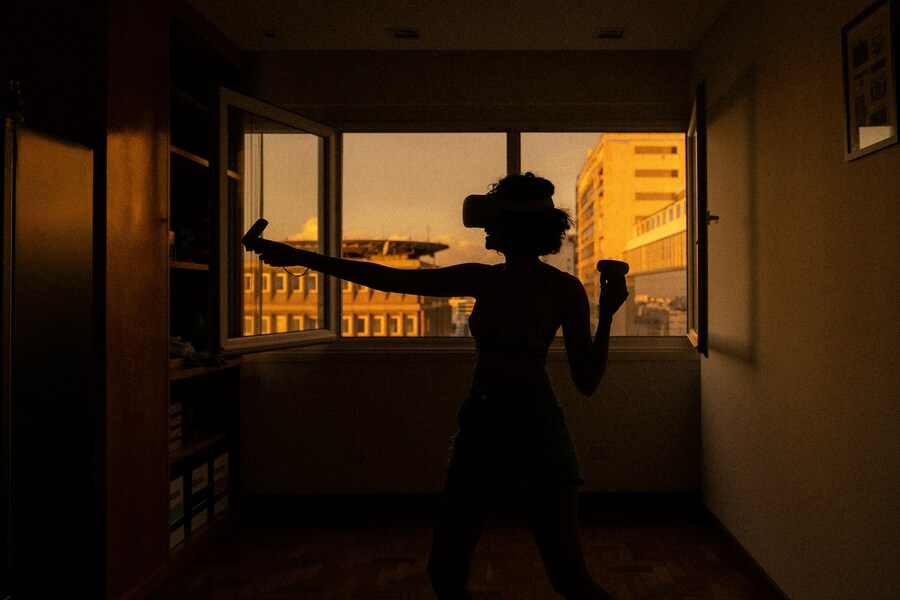 Source: Vinicius "amnx" Amano/Unsplash
Beyond luxury gimmicks, VR and AR now democratize travel planning. This sensory layer is the ultimate "hack," moving focus from the flight to ensuring your destination is absolutely flawless before arrival.
The evolution of the digital walkthrough
For decades, the standard for online booking was the static gallery. Hoteliers would hire professional photographers to capture the best possible angles, often using lighting tricks to make a cramped room appear palatial. Then came the 360-degree photo, which allowed a bit of panning but lacked depth and true perspective. The current iteration, powered by high-fidelity spatial mapping, allows users to don a headset or even use a mobile device to navigate a three-dimensional model of the specific room category they are booking. This level of transparency is revolutionary. It forces hospitality brands to maintain a high standard because the "smoke and mirrors" of traditional marketing no longer work when a guest can digitally walk over to the window and see exactly what the view looks like.
Beyond the room itself, these previews are expanding to cover the entire airport-to-hotel pipeline. Imagine being able to virtually navigate the terminal of a foreign airport where you have a tight connection. You can "walk" from Gate A to Gate C, noting the landmarks and the location of the restrooms, so that when you land in reality, your brain already recognizes the path. This reduces the cognitive load and stress associated with international travel, making the entire journey feel more familiar and controlled.
Precision packing through spatial awareness
One of the most overlooked benefits of VR previews is the ability to pack with surgical precision. If you can virtually inspect the amenities in your room, you no longer have to guess about what to bring. You can see the exact model of the hair dryer, check if there are enough USB-C ports near the nightstand, and see if the closet has enough full-length hanging space for an evening gown or a suit. For the carry-on-only traveler, this information is gold. It allows you to shed those "just in case" items that bloat your luggage and lead to checked bag fees. By knowing the environment you are entering, you optimize your physical footprint before you even leave your house.
Navigating the logistics of the modern traveler
While the virtual "walkthrough" of a hotel room is the highlight, the savvy traveler knows that the journey begins long before the hotel check-in. The logistical chain involves parking, security, boarding, and local transport. In the current era, we've seen a massive shift toward pre-planning every micro-step of the journey to avoid the surges in pricing and the scarcity of resources that often plague busy travel hubs. This is particularly true for those who prefer the convenience of secondary airports which, while often more efficient, require a bit of tactical planning regarding ground transportation.
When planning a trip that involves flying out of the Bay Area, for example, the savvy traveler looks for ways to streamline the start of their journey. Finding reliable and cost-effective OAK parking deals has become a primary hack for those looking to save both time and money. By securing a spot in advance through dedicated platforms, you eliminate the stress of circling full lots on the day of departure. This type of logistical foresight mirrors the philosophy of the VR room preview: it's all about removing the "maybe" from your travel itinerary. Whether it's knowing exactly where your car will sit or exactly where your bed will be, the goal is a seamless transition from one environment to the next.
Overcoming the "fisheye" deception
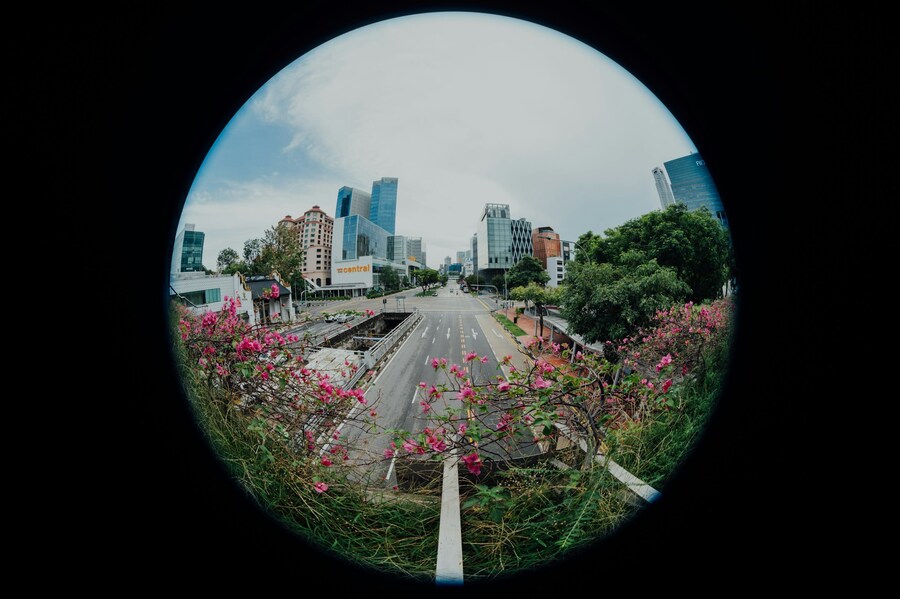
We've all been burned by the fisheye lens. You see a photo of a gym that looks like a professional training center, only to arrive and find two rusty dumbbells and a treadmill from the 1990s. VR previews eliminate this deception. Because spatial mapping relies on actual dimensions to create the 3D environment, the proportions are accurate. You can virtually stand in the shower to see if someone of your height will actually fit comfortably. You can see if the "balcony" is a usable space or merely a ledge for a pigeon. This level of detail is particularly crucial for travelers with mobility issues or specific accessibility requirements. Being able to "walk" the path from the elevator to the room and verify the width of the bathroom door in a virtual space provides a level of assurance that a "handicap accessible" tag on a website simply cannot match.

Source: Nichlas Andersen/Unsplash
The psychology of pre-travel familiarization
There's a profound psychological benefit to virtual previews that goes beyond simple logistics. Travel anxiety is a very real phenomenon, often rooted in the fear of the unknown. By familiarizing yourself with your surroundings before you arrive, you trigger a sense of "place memory." When you finally walk into the hotel lobby in person, your brain recognizes the layout, the color palette, and the flow of the space. This significantly reduces the cortisol spikes associated with navigating new environments. You aren't a stranger in a strange land; you are a returning visitor to a place you've already explored digitally. This allows you to settle into your vacation or business trip much faster, bypassing the initial "adjustment" period that usually eats up the first few hours of a stay.
Emerging trends: the "live" virtual concierge
As we look at the current trajectory of this technology, we are seeing the rise of the live virtual concierge. This takes the static VR preview and adds a human element. Prospective guests can join a VR session with a hotel staff member who can answer questions in real-time as they move through the property. You can ask them to open the curtains, show you the inside of the minibar, or demonstrate how the smart-room controls work. This is the ultimate "try before you buy" model. It builds a bridge of trust between the guest and the hotel, ensuring that the expectations set during the booking process are perfectly aligned with the reality of the stay.
Integrating the virtual and the physical
The future of travel lies in the seamless integration of these digital previews with the physical experience. We are seeing hotels offer AR "overlays" once you arrive. You might use your phone to look at a wall in the lobby, and the AR displays the daily menu for the restaurant or the schedule for the SPA. However, the foundation of this entire experience remains the initial VR "walk." It's the hook that secures the booking and the shield that protects the traveler from disappointment. In a world where our time is our most precious commodity, spending 15 minutes in a headset to ensure a week-long trip is perfect is perhaps the most efficient travel hack available today.
Strategic booking and timing hacks
While VR helps you choose the where, you still need to master the when and how. The modern travel landscape is dictated by dynamic pricing algorithms that react to everything from local weather patterns to global fuel prices. One of the best ways to leverage your VR findings is to use them in conjunction with price-tracking tools. Once you have "walked" a room and decided it's the perfect fit, you can set alerts for that specific room category. Often, hotels will drop prices on specific tiers to fill capacity, and because you already know the layout, you can jump on a "junior suite" upgrade the moment it hits your price point, knowing exactly what that extra square footage looks like.
Moreover, the integration of loyalty programs into these virtual platforms is becoming standard. Frequent flyers can often unlock "hidden" VR views of executive lounges or upgraded cabins on aircraft. This allows you to weigh the value of your points or miles with visual certainty. Is the 50,000-point upgrade to a business-class pod worth it? A VR walkthrough of the cabin, showing the seat recline and the privacy partitions, provides a much clearer answer than a small thumbnail image on a checkout page.
The bottom line
Source: CHUTTERSNAP/Unsplash
The shift from static photos to immersive 3D previews represents the most significant evolution in travel planning since the internet booking engine. By "walking" through your room before arrival, you eliminate the risk of traveler's remorse and ensure your accommodations meet your specific standards for comfort and utility. However, true travel mastery requires looking at the entire journey as an interconnected series of events. This begins with digital exploration and continues through smart logistical management – such as securing the best OAK Airport parking to ensure a stress-free departure. Ultimately, as the line between digital previews and physical reality blurs, the era of blind booking ends. You now possess the tools to ensure every trip is exactly as you envisioned.


