

Travel has evolved from a labor-intensive hunt for deals into a streamlined, "Zero-Touch" background operation. By syncing digital calendars with intelligent booking engines, travelers can now outsource the cognitive load of planning to sophisticated algorithms. This proactive, intent-based ecosystem transforms a simple meeting invite into a trigger for a series of automated events. These systems analyze personal preferences, loyalty tiers, and real-time market data to secure the ideal flight and ground transportation without manual intervention. This shift moves us away from the reactive "search and click" model toward a future where logistics are anticipated before they are even articulated. It represents the new frontier of hyper-efficient air travel, allowing the modern nomad to focus on the destination while the journey organizes itself.
So, how can integrated digital ecosystems eliminate traditional travel friction?
 Source: Link Hoang/Unsplash
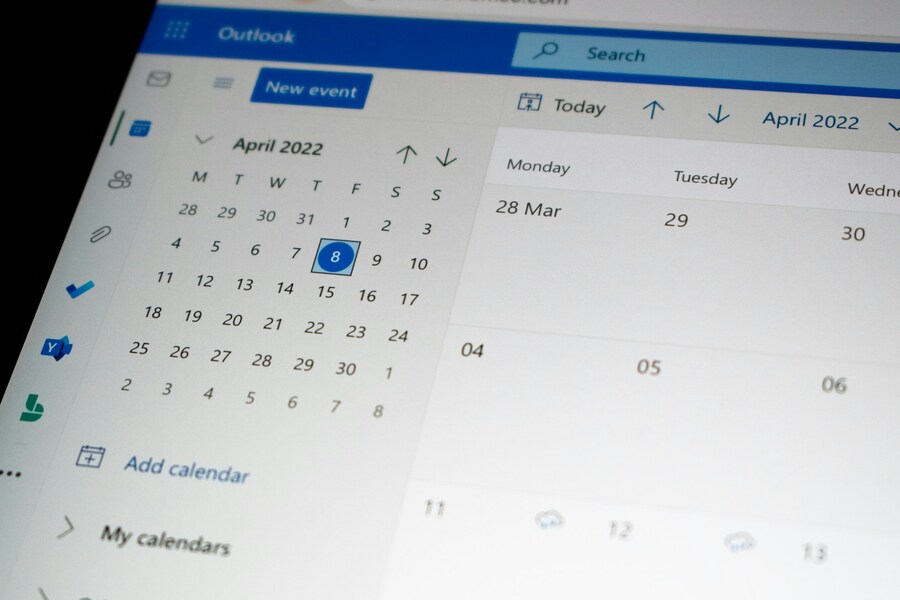
Calendar synchronization is the engine of zero-touch travel, using APIs to bridge personal schedules with global airline databases. By accessing your "intent data," these systems replace manual searches with multi-dimensional analysis.
The evolution of predictive booking algorithms
The first step in this automated journey involves predictive booking. In the past, travelers relied on static price alerts that would ping their phones when a fare dropped. Today, these systems have evolved into autonomous agents. By analyzing years of historical pricing data alongside real-time variables like fuel costs, geopolitical events, and even local weather patterns, these agents can determine the "buy" window with surgical precision. When a calendar entry appears for a conference or a recurring business trip, the automation doesn't just look for a flight; it predicts when that flight will be at its lowest cost-to-convenience ratio.
Moreover, these algorithms are now capable of managing "soft preferences" that go beyond just the price. They can be programmed to avoid certain aircraft models, prioritize flights with specific Wi-Fi providers, or ensure that a connection is never shorter than 90 minutes to account for the traveler's preference for a relaxed pace. This level of granularity ensures that the automation doesn't just book a trip, but books your trip. The system learns from every previous journey, noting if you frequently change flights when a certain delay threshold is met or if you prefer red-eyes over morning departures.
Seamless identity and biometric integration
The "Zero-Touch" philosophy extends deep into the airport experience itself. Modern travel hacks are no longer just about where to find a cheap ticket; they are about how to move through physical space with zero resistance. By syncing your digital travel profile with biometric systems, the act of carrying a physical passport or a paper boarding pass becomes obsolete. The automated booking system doesn't just send a confirmation to your email; it pushes your digital identity tokens to the relevant authorities and airline systems.
Upon arrival at the terminal, the traveler moves through a series of high-speed sensors. Facial recognition and iris scanning technologies, linked to your pre-cleared travel profile generated at the moment of booking, allow for a continuous flow from the curb to the gate. This eliminates the traditional "choke points" of travel. When your calendar "talks" to the airport's terminal management system, the airport knows you are coming. It can adjust staffing at security checkpoints or send a personalized notification to your wearable device suggesting the optimal time to leave the lounge based on the current boarding speed of your specific flight.
Hyper-personalized loyalty and upgrade management
One of the most complex aspects of air travel has always been the management of loyalty programs and upgrade instruments. The zero-touch approach automates the "mileage run" mentality. Sophisticated scripts can now monitor your progress toward elite status throughout the year. If a synced calendar event requires a flight that would put you just short of a status threshold, the system can automatically suggest a slightly longer routing or a higher fare class that guarantees the upgrade, calculating the long-term value of the status against the immediate cost.
This automation also handles the "waitlist" game. Instead of manually checking for upgrade availability every morning, the synchronized system communicates with the airline's inventory management in real-time. The moment a seat in a premium cabin opens up that fits within your pre-defined budget or utilizes your expiring points, the system executes the transaction. This ensures that you are always at the front of the digital line, capitalizing on opportunities that would be missed by a human traveler who has to sleep or work.
Source: Ed Hardie/Unsplash
Managing the mid-trip pivot
Travel is inherently unpredictable, but zero-touch systems thrive on chaos. The real hack lies in how these systems handle disruptions. Because the automation is synced with your live calendar, it knows the importance of your next appointment. If a flight is delayed or canceled, the system doesn't wait for you to stand in a line at a service desk. It immediately begins scanning for alternatives that will get you to your calendar commitment on time.
In many cases, the system can rebook you on a competitor's flight or even suggest a multimodal alternative – such as a high-speed rail link – before you have even realized there was a delay. It can simultaneously notify your hotel of a late arrival and inform your meeting participants of your new ETA. This level of synchronized communication turns a potential travel disaster into a minor, hands-off adjustment. It shifts the burden of problem-solving from the traveler to the network.
The financial architecture of automated travel
For frequent flyers and corporate travelers, the financial reconciliation of trips is often the most tedious part. The zero-touch model integrates with
This integration reduces the "leakage" often found in travel budgets. It ensures that every discount is captured and every refundable tax is claimed. Moreover, by using automated payment rails, travelers can take advantage of "dynamic pricing" in reverse – earning micro-cashback or crypto-rewards for choosing more sustainable flight paths or opting for less crowded travel days as suggested by the AI scheduler.
Strategic logistics and ground coordination
The journey doesn't end when the wheels touch the tarmac. The zero-touch travel ecosystem treats the airport as just one node in a larger logistical chain. A major part of this is the coordination of ground logistics, which can often be the most stressful part of the "last mile." For those who prefer the flexibility of driving themselves, managing vehicle storage is a critical component of the automated plan. If your calendar shows a departure from a major hub like Los Angeles, the system should ideally handle your vehicle's "resting state" as efficiently as your flight.
Integrating your itinerary with reliable service providers ensures that you aren't scrambling for a spot in a crowded garage minutes before your gate closes. For instance, finding competitive LAX Airport parking through dedicated platforms allows the automation to factor in the transit time from the parking structure to the terminal. By securing LAX parking deals in advance via synced apps, the system can provide you with a total "trip cost" and a precise "leave your house" time that accounts for traffic on the 405 and the shuttle frequency from the lot. This level of foresight transforms a chaotic commute into a calculated, calm transition.
Privacy, security, and the future of autonomous itineraries
As we lean further into automated travel, the conversation naturally shifts toward the security of the data being shared. To make "Zero-Touch" travel work, a significant amount of personal information must be accessible to the automation layer. This includes passport details, payment methods, and personal schedules. The solution lies in the adoption of "Self-Sovereign Identity" (SSI) and encrypted data vaults. In this model, the traveler owns their data, granting temporary, cryptographic "keys" to the booking system to perform specific tasks.
Once the booking is confirmed and the travel is completed, these permissions can be set to expire. This ensures that while the system is hyper-efficient, it's also hyper-secure. The future of this technology points toward "Autonomous Travel Agents" – individual AI entities that live on your local devices rather than in the cloud. These agents will negotiate with airline "bots" in a decentralized marketplace, ensuring that your privacy is maintained while still achieving the highest level of logistical optimization. We are moving toward a world where the interface for travel is no longer a website, but a simple confirmation "Yes" on a smartwatch, or better yet, no interface at all – just a perfectly executed journey that happens in the background of a productive life.
Conclusion
Source: Possessed Photography/Unsplash
The transition to zero-touch travel is more than just a collection of clever hacks; it's a fundamental shift in our relationship with global mobility. By syncing our digital intentions with the vast capabilities of automated booking engines and biometric infrastructure, we reclaim our most precious commodity: time. The "hack" isn't in finding a secret fare, but in building a system that removes the need to search for one. As these technologies become more deeply integrated into our daily digital lives, the friction of the airport, the stress of the missed connection, and the tedium of the expense report will become relics of a manual past.
For the modern traveler, the goal is to become "invisible" to the process – to move through the world with the grace of a well-timed algorithm. Whether it's the seamless transition through security or the automated securing of the best parking rates, the focus is now on the destination and the purpose of the trip, rather than the logistics of the transit. Embracing these automated systems allows us to step out of the role of travel coordinator and back into the role of the explorer, the negotiator, or the visiting loved one. The future of travel isn't about doing more; it's about the quiet power of doing nothing at all while the world moves to meet you.


